Blog

  • Domain Authority Checker: A Must-Have Tool for Website Performance Analysis

    Domain Authority Checker: A Must-Have Tool for Website Performance Analysis

    In the digital marketing world, a website’s online credibility and ranking potential are crucial for success. One of the key metrics used to evaluate a website’s strength is Domain Authority (DA). Developed by Moz, DA is a score that predicts how well a website will rank on search engine result pages (SERPs). If you’re aiming to improve your website’s SEO performance, using a domain authority checker is an essential step.

    What is Domain Authority?

    Domain Authority is a search engine ranking score ranging from 1 to 100. The higher your DA score, the more likely your site is to rank higher on Google and other search engines. The score is based on various factors, including the quality and number of backlinks, the relevance of content, domain age, and overall website structure.

    It’s important to note that DA is not a Google ranking factor but rather a comparative metric to analyze how your site stacks up against competitors. For example, a DA score of 60 is considered strong and shows that your site has established trust and authority online.

    Why Use a Domain Authority Checker?

    A domain authority checker is a specialized tool that helps you assess your website’s current DA score. It also provides insights into your backlink profile, linking domains, spam score, and page authority. Here are some of the key benefits of using such a tool:

    • Competitive Analysis: Compare your domain authority with that of your competitors to identify areas for improvement.
    • SEO Planning: Understanding your DA can help in setting realistic SEO goals and tracking progress.
    • Link Building Strategy: Know which backlinks are boosting your authority and identify opportunities to gain more high-quality links.
    • Site Performance Tracking: Monitor fluctuations in your DA to evaluate the success of your SEO efforts.

    Features of an Effective Domain Authority Checker

    When choosing a domain authority checker, you should look for tools that offer comprehensive reports and real-time data. Here are some features to consider:

    1. Backlink Analysis: A good tool should display the number of backlinks, their quality, and anchor texts used.
    2. Spam Score: This indicates the potential risk of being penalized by search engines.
    3. Page Authority (PA): Alongside DA, PA shows the ranking potential of individual pages.
    4. Historical Data: Track your DA growth over time to see how your SEO strategy is working.
    5. User-Friendly Interface: It should be easy to navigate and interpret, even for beginners.

    Popular domain authority checker tools include Moz Link Explorer, Ahrefs, SEMrush, and Ubersuggest. These tools offer both free and premium options depending on the depth of analysis you require.

    How to Improve Your Domain Authority

    Improving your domain authority is a gradual process, but it can significantly enhance your site’s search visibility. Here are a few effective strategies:

    • Quality Content: Publish unique, relevant, and engaging content that naturally attracts backlinks.
    • Build High-Quality Backlinks: Focus on getting backlinks from reputable and relevant websites.
    • Optimize On-Page SEO: Ensure your website is technically sound with fast loading speeds, mobile optimization, and clean URLs.
    • Remove Bad Links: Use tools to find and disavow spammy or harmful backlinks.
    • Internal Linking: Structure your internal links wisely to distribute link equity across your site.

    Final Thoughts

    Understanding and monitoring your domain authority is crucial for any website owner or digital marketer. It provides a clear picture of your site’s current SEO health and helps you make informed decisions to enhance your visibility online. By using a reliable domain authority checker, you can keep track of your performance and stay ahead in the competitive digital landscape.

  • How Much Does Walking Track Flooring Cost? A Price and Material Guide

    How Much Does Walking Track Flooring Cost? A Price and Material Guide

    In urban landscapes and residential spaces, walking tracks are becoming an essential feature—whether it’s for daily strolls, morning jogs, or senior fitness. If you’re planning to install one, understanding the cost and types of walking track flooring is crucial. Choosing the right material not only impacts user comfort and safety but also determines the durability and maintenance requirements of the track.

    In this guide, we break down the walking track materials, compare prices, and highlight important factors like dimensions and usage scenarios to help you make the best decision

    .

    Why Walking Track Flooring Matters

    Unlike generic pathways, dedicated walking tracks are designed to reduce joint impact, resist wear from foot traffic, and maintain grip in wet or dry conditions. Good walking track flooring should offer:

    • Cushioning and slip resistance
    • Long-term durability
    • UV and weather resistance (for outdoor tracks)
    • Low maintenance
    • Cost-efficiency

    Whether you’re designing a track for a park, apartment complex, school, or hospital, selecting the right surface material will determine its long-term performance.

    Top Walking Track Materials

    1. Synthetic Acrylic Flooring

    This is one of the most common and cost-effective options used in outdoor walking tracks.

    • Features:
      • UV-resistant and slip-proof
      • Available in multiple colors
      • Requires a concrete or asphalt base
    • Ideal For: Parks, society tracks, school grounds
    • Pros: Affordable, weather-resistant, low maintenance
    • Cons: Limited shock absorption compared to rubber flooring

    2. EPDM Rubber Flooring

    EPDM (Ethylene Propylene Diene Monomer) is a high-performance rubber surface used in walking and jogging tracks.

    • Features:
      • Superior cushioning and slip resistance
      • Excellent performance in all weather
      • Available in granules or roll format
    • Ideal For: Jogging tracks, health parks, elderly-friendly zones
    • Pros: Comfortable, long-lasting, easy on joints
    • Cons: Slightly higher cost, professional installation required

    3. PU (Polyurethane) Flooring

    PU flooring offers a seamless, cushioned surface and is great for high-traffic, multi-use areas.

    • Features:
      • Durable, weatherproof, and seamless
      • Can handle both walking and sports activity
    • Ideal For: Commercial complexes, stadium tracks, and multi-sport zones
    • Pros: Durable, low maintenance, multipurpose
    • Cons: Higher installation cost, needs skilled labor

    Cost Factors That Affect Walking Track Pricing

    Understanding what drives the total cost of a walking track helps in better budgeting. Here are key factors that impact pricing:

    1. Surface Area

    The size of the walking track directly affects the volume of materials and labor. Most tracks range from 1.5 to 3 meters wide depending on foot traffic expectations.

    2. Base Construction

    Materials like acrylic or PU require a smooth, level base—typically concrete or asphalt. Preparing this sub-layer adds to your cost if not already present.

    3. Location and Accessibility

    Projects in difficult terrain, remote areas, or with limited access may incur higher labor and transportation charges.

    4. Drainage and Edging

    Good drainage is essential for outdoor tracks. Installing slope-adjusted bases or PVC side curbing increases the cost slightly but improves longevity.

    5. Customization

    Colors, logos, line markings, or anti-microbial coatings can add ₹50–₹200 per sq. meter to your budget.

    Recommended Walking Track Dimensions

    To plan efficiently, consider the standard dimensions for walking tracks:

    Track TypeRecommended WidthSurface Area per 100m Track
    Single-Person Use1.5 meters150 sq. meters
    Dual Lane (Residential)2 meters200 sq. meters
    Public or Commercial Track2.5–3 meters250–300 sq. meters

    This helps estimate both the walking track flooring price and the amount of material needed.

    Installation Tips for Long-Lasting Walking Tracks

    1. Sub-Base Must Be Solid and Level
      Always install over a compacted and cured concrete or asphalt base. Irregular bases reduce the lifespan of the flooring.
    2. Consider Drainage Slopes
      Maintain a slope of 1–2% for water drainage. This prevents pooling and surface damage.
    3. Proper Curing Time
      For PU and acrylic surfaces, allow 48–72 hours before using the track.
    4. Regular Maintenance
      Sweep frequently and wash the surface using non-abrasive cleaners. Inspect joints or edges every few months.

    Best Walking Track Material by Use Case

    LocationRecommended MaterialWhy
    Residential SocietiesSynthetic Acrylic FlooringAffordable, slip-resistant, low upkeep
    City Parks & Jogging AreasEPDM Rubber FlooringComfortable, all-weather, safe for joints
    Health FacilitiesPU or Rubber FlooringHigh cushioning, seamless, hygienic
    Multi-Sport ZonesPU FlooringMultipurpose, long-lasting, UV-resistant

    Conclusion

    A well-planned walking track not only promotes fitness but also adds real estate and recreational value. While synthetic acrylic is the go-to choice for budget-friendly outdoor projects, EPDM and PU offer better comfort and lifespan for professional or high-use installations.

    By understanding the walking track flooring price, materials, and application scenarios, you can build a track that’s both cost-effective and functional. Whether it’s a society pathway or a public health trail, the right surface ensures safe steps for years to come.

  • Amul Outlet Franchise: Your Gateway to a Profitable Dairy Business

    Amul Outlet Franchise: Your Gateway to a Profitable Dairy Business

    India’s love affair with dairy products has only grown stronger over the decades, and Amul stands at the heart of this revolution. As the consumer demand for high-quality milk, butter, cheese, paneer, and ice cream soars, entrepreneurs across the country are eyeing the Amul franchise opportunity to tap into this thriving market. With minimal royalty fees, strong brand recognition, and comprehensive support, becoming an Amul outlet owner can be a highly rewarding venture.

    Why Choose an Amul Outlet Franchise?

    Amul, managed by the Gujarat Cooperative Milk Marketing Federation Ltd (GCMMF), is the largest dairy producer in India and boasts unmatched brand recall. Its products are sold in over 100,000 retail outlets, and its preferred outlets and parlours cater to urban, rural, and institutional customers alike. By aligning with a brand that has been at the forefront of India’s White Revolution, franchisees benefit from national marketing campaigns, a loyal consumer base, and a reputation for consistent quality franchisevoice.com.

    Franchise Models and Investment Requirements

    Amul offers two primary outlet formats:

    1. Preferred Outlet / Kiosk / Railway Parlor
      • Investment Range: ₹2 lakh to ₹6 lakh
      • Refundable Security Deposit: ₹25,000
      • Space Requirement: 100–300 sq. ft.
      • Typical Setup Costs (renovation, equipment): ₹1.5 lakh to ₹2 lakh
      • Working Capital: ₹50,000 to ₹1 lakh businessscroller.com
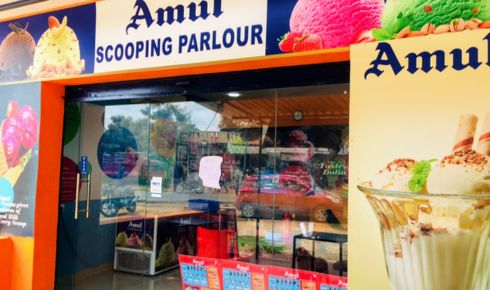
    2. Amul Ice Cream Scooping Parlour
      • Investment Range: ₹5 lakh to ₹10 lakh
      • Refundable Security Deposit: ₹50,000
      • Space Requirement: 300–500 sq. ft.
      • Setup Costs (deep freezers, interiors): ₹3 lakh to ₹5 lakh
      • Working Capital: ₹1 lakh to ₹2 lakh businessscroller.com

    These figures include branding, equipment, and initial stock. There are no ongoing royalty fees, which allows you to maximize returns from day one.

    Comprehensive Support for Franchisees

    One of Amul’s biggest strengths is the extensive support it provides to new outlet owners:

    • Initial Setup Assistance: Guidance on outlet design and specifications ensures brand consistency.
    • Product Supply: Timely deliveries from the nearest Amul depot guarantee fresh stock availability.
    • Training: On-site training covers product handling, billing software, and customer service.
    • Marketing Support: National and regional promotions drive footfall, while exclusive consumer offers create local buzz.
    • Signage and Equipment Recommendations: Amul supplies glowsigns and helps you choose the right refrigerators, freezers, and dispensers amul.com.

    Attractive Revenue Streams and Profitability

    Amul franchises are known for their healthy profit margins, offering:

    • Packaged Dairy Products: 2.5%–10% commission on products like milk pouches, butter, cheese, and paneer.
    • Ice Cream and Frozen Desserts: 10%–50% commission, depending on product category.
    • Coffee, Milkshakes & Beverages: Additional high-margin items that boost average transaction value.

    A well-located preferred outlet can achieve monthly sales turnover of ₹1 lakh to ₹2 lakh, while an ice cream parlour in a prime area can exceed ₹5 lakh per month. Many franchisees report breakeven within 6–12 months, thanks to low operational costs and robust demand economictimes.indiatimes.com.

    Eligibility Criteria and Documentation

    To ensure quality and consistency across its outlets, Amul requires prospective franchisees to meet the following:

    • Age & Education: Minimum 18 years old; at least 10th/12th pass, depending on urban or rural location.
    • Financial Capacity: Ability to invest ₹2 lakh to ₹10 lakh based on the model chosen.
    • Location: Accessible site with high footfall; space as per model specifications.
    • Basic Infrastructure: Provision for electricity backup, freezer/refrigerator space, and CCTV for parlours.
    • Documentation: Valid ID proof, address proof, GST registration, trade license, shop agreement or property documents www-amul.com.

    How to Apply

    1. Visit the Official Portal: Head to Amul’s website or contact your nearest Amul depot.
    2. Submit Application: Provide necessary details, documents, and the refundable security deposit.
    3. Site Inspection: Amul representatives will assess feasibility and guide renovation plans.
    4. Training & Launch: Complete the training modules and stock ordering before your grand opening.

    Conclusion

    Becoming an Amul outlet franchisee is more than just a business opportunity; it’s joining a legacy of quality, trust, and innovation. With clearly defined investment brackets, strong brand backing, and a proven profitability track record, an Amul outlet is an ideal venture for both first-time entrepreneurs and seasoned business owners. Seize the chance to serve India’s favorite dairy products and build a thriving enterprise today!

  • Building Smart with Multi-Purpose Court Construction

    Building Smart with Multi-Purpose Court Construction

    As space becomes more valuable and communities seek cost-effective, high-impact investments, multi-purpose court construction has emerged as the go-to solution for sports infrastructure in India. Whether it’s a school, residential society, college campus, or public park, a well-designed multi-sport court enables multiple games like basketball, tennis, badminton, volleyball, and pickleball to be played on a single surface—saving space, money, and maintenance effort.

    This will guide you through the complete process of multi-purpose court planning and execution—from choosing the right dimensions and flooring to selecting durable materials, construction best practices, and long-term upkeep.

    1. What is a Multi-Purpose Court?

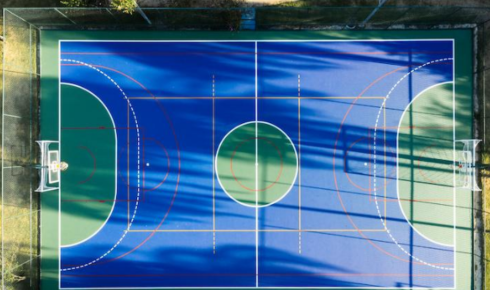
    A multi-purpose court is a versatile sports facility designed to accommodate multiple games on the same surface. It is built with synthetic or acrylic coatings over a concrete or asphalt base and marked with lines for sports such as:

    • Basketball
    • Tennis
    • Badminton
    • Volleyball
    • Skating
    • Pickleball

    These courts are particularly useful for schools, universities, housing societies, corporate campuses, and municipal parks, offering year-round access to multiple sports on a single platform.

    2. Benefits of Multi-Purpose Court Construction

    A. Space Optimization

    Instead of allocating separate areas for each sport, multi-use courts allow compact, overlapping layouts with standard markings. This is especially useful in urban areas with limited land availability.

    B. Cost Efficiency

    From excavation and base construction to flooring and fencing, building a single multi-sport court costs significantly less than constructing individual courts.

    C. Ease of Maintenance

    Using durable synthetic court flooring reduces maintenance frequency and makes it easier to clean, repaint, or upgrade the court.

    D. Inclusivity and Community Use

    Multi-sport courts encourage greater participation from all age groups and skill levels. They’re ideal for physical education classes, casual play, and community tournaments.

    3. Standard Dimensions for Multi-Purpose Courts

    While there’s no one-size-fits-all, a standard multi-sport court is typically 28 meters in length and 15 meters in width, which comfortably accommodates:

    • Full-size basketball court
    • One or two badminton courts
    • One volleyball court
    • Space for pickleball, skating, or mini tennis

    The court size can be adjusted based on available space and the sports prioritized by the community.

    4. Outdoor Sports Flooring Options for Multi-Purpose Courts

    Flooring plays a vital role in the performance, durability, and safety of a court. Here are the most preferred outdoor sports flooring options for multi-use facilities in India:

    A. Acrylic Synthetic Flooring

    This is the most widely used surface in India for outdoor multi-sport courts. Acrylic systems are UV-resistant, weatherproof, anti-skid, and available in vibrant colors.

    Advantages:

    • Slip-resistant and shock-absorbing
    • Suitable for all weather conditions
    • Easy to customize for different sports
    • Cost-effective and low-maintenance

    B. PU (Polyurethane) Flooring

    PU is more suited for semi-outdoor or shaded installations. It provides superior cushioning but can be more expensive.

    C. Modular Interlocking Tiles

    Modular PP tiles are easy to install and ideal for schools or rental courts. However, they may lack the professional performance of poured acrylic surfaces.

    D. Asphalt Base with Acrylic Coating

    For budget-sensitive projects, asphalt serves as a suitable base under an acrylic surface. Though less durable than concrete, it performs well under moderate use.

    5. Step-by-Step Process of Multi-Purpose Court Construction

    Creating a multi-purpose court involves detailed planning, skilled execution, and the right materials. Here’s a step-by-step look at the process:

    Step 1: Site Assessment

    • Soil testing and drainage evaluation
    • Measuring available space and setting layout orientation
    • Identifying potential usage patterns (school, society, academy)

    Step 2: Base Construction

    • Earthwork and ground leveling
    • Laying a high-quality concrete slab (100–150 mm thickness)
    • Ensuring a gentle slope (1%) for water runoff
    • Allowing curing time (21–28 days)

    Step 3: Flooring Application

    • Concrete Primer: For adhesion
    • Acrylic Resurfacer: Smoothens base
    • Cushion Coat: Improves player comfort
    • Color Coat: Adds vibrancy and UV protection
    • Line Marking: Customized for each sport

    Step 4: Fencing and Lighting

    • 10–12 ft perimeter fencing with galvanized mesh
    • LED floodlights for evening and night-time use
    • Optional spectator seating or player shelters

    Step 5: Finishing Touches

    • Multi-sport nets and poles
    • Wall graphics or branding for schools or academies
    • Court signage and usage guidelines

    6. Materials Used in Multi-Sport Court Construction

    To ensure durability and optimal play experience, high-quality volleyball court materials, tennis net poles, badminton post systems, and basketball hoops are used in combination with synthetic surfacing. Reliable sports infrastructure suppliers offer turnkey solutions with warranties ranging from 5–8 years on surfacing.

    Key materials include:

    • Concrete M30 grade for base
    • Acrylic synthetic coatings for the top layer
    • Silica sand for texture and grip
    • Weather-proof line paint
    • Adjustable pole systems for multiple net heights
    • Heavy-duty fencing materials

    7. Maintenance and Longevity

    A well-built multi-purpose court requires minimal upkeep. Here are key maintenance practices:

    • Weekly cleaning with a blower or broom to remove debris
    • Annual inspection for cracks or peeling
    • Topcoat reapplication every 4–5 years to refresh surface
    • Drainage checks before and after monsoon season
    • Nets and accessories maintenance to ensure safety

    With these simple practices, your court can last over 10–12 years while maintaining performance and appearance.

    8. Cost of Multi-Purpose Court Construction in India

    The cost can vary based on size, location, material quality, and contractor. Below is an estimated breakdown:

    ComponentEstimated Cost (INR per sq. ft)
    Concrete base₹80–₹120
    Acrylic surface system₹90–₹150
    Fencing & lighting₹50–₹80
    Poles and accessories₹30–₹60

    For a 4200 sq. ft court (approx. 28m x 14m), the total cost can range between ₹6 lakhs to ₹9 lakhs, depending on customization and accessories.

    Conclusion

    Multi-purpose court construction is not just a trend—it’s a smart investment for the future of sports in India. By building a single, multi-functional space with the right synthetic court flooring and layout design, you can support multiple sports, maximize your budget, and encourage healthy community engagement. From basketball and tennis to badminton and volleyball, a well-executed court becomes a hub for recreation, learning, and competition.

    When planned and built by experienced sports flooring contractors, your multi-sport court will not only meet today’s needs but also adapt to tomorrow’s evolving athletic demands

  • Basketball Court Flooring: Engineered for Every Bounce

    Basketball Court Flooring: Engineered for Every Bounce

    Introduction: The Surface That Shapes Every Slam Dunk

    Basketball is a sport where speed, agility, and accuracy come together in perfect harmony. But behind every powerful dunk or sharp crossover lies one critical element – basketball court flooring. At Prime Sports Solution, we understand that a superior court surface can enhance gameplay, prevent injuries, and create the ideal environment for athletes to thrive. That’s why we’re one of the most trusted names in sports flooring manufacturer solutions across India.

    The Importance of Quality Basketball Court Flooring

    The floor of a basketball court needs to deliver consistent bounce, superior grip, and excellent shock absorption. A substandard surface not only affects performance but also increases the risk of injuries. Our advanced synthetic sports flooring systems are designed to provide the perfect combination of comfort, durability, and resilience—ensuring a seamless experience for both recreational and competitive players.

    India’s Trusted Sports Flooring Manufacturer

    As a top-tier sports flooring manufacturer, Prime Sports Solution brings years of expertise in designing and installing courts that meet international specifications. Our materials and techniques are chosen with precision to ensure long-term performance in diverse weather and usage conditions. From schools and sports complexes to professional training arenas, we’ve installed basketball court flooring across India with unmatched quality and consistency.

    Advanced Synthetic Sports Flooring Systems

    We use high-performance synthetic sports flooring made from premium-grade acrylic, rubberized compounds, or modular tiles, depending on the need. These surfaces are ideal for outdoor sports flooring applications, especially in environments where exposure to sun, rain, and foot traffic is unavoidable. Our acrylic-based basketball court systems are UV-stable, anti-skid, weather-resistant, and customizable in appearance and thickness.

    Key Features:

    • Enhanced grip and shock absorption
    • UV and weather resistance for outdoor use
    • Low maintenance with long-lasting surface strength
    • Custom color combinations and line markings
    • Safe, non-toxic, and eco-friendly materials

    Comprehensive Basketball Court Construction Services

    At Prime Sports Solution, we don’t just provide flooring—we handle complete basketball court construction from scratch. Our team takes care of everything: surveying, base leveling, drainage design, surfacing, and final detailing. Whether it’s a community playground or a professional-grade court, we ensure your project is delivered on time and built to last.

    Our Construction Process:

    • Site inspection and ground preparation
    • RCC or asphalt base creation
    • Surface leveling and curing
    • Synthetic surface application
    • Accurate court marking and finishing

    Indoor and Outdoor Basketball Flooring Solutions

    We provide flooring options for both indoor and outdoor basketball courts, customized for each space’s unique requirements. For outdoor courts, our synthetic acrylic and tile systems offer weather resistance and vibrant aesthetics. For indoor courts, we offer options like high-resilience PU and wooden flooring systems that match FIBA standards.

    Safe, Sustainable, and Player-Friendly

    All materials used in our basketball court flooring systems are eco-friendly and safe for prolonged physical activity. Our synthetic coatings are anti-fungal, low-VOC, and built to resist cracking and color fading over time. Players experience smooth movement, better traction, and minimal fatigue, regardless of the intensity of the game.

    Pan-India Service and Support

    With a dedicated team and extensive network, Prime Sports Solution offers project support across India. Our commitment to quality, service, and timely execution has made us a preferred choice for government projects, private developers, schools, and sports academies.

    Conclusion: Build Courts That Build Champions

    At Prime Sports Solution, we believe that great games begin with great surfaces. Our basketball court flooring solutions are engineered not just for today’s performance, but for years of active play ahead. If you’re looking for a reliable sports flooring manufacturer to construct your dream court, look no further. With our expertise in basketball court construction and synthetic sports flooring, we’re here to transform your vision into a slam-dunk success.

  • Why Lily Arkwright’s Jewelry Is Perfect for Every Special Occasion

    Why Lily Arkwright’s Jewelry Is Perfect for Every Special Occasion

    When it comes to selecting jewelry for special occasions, finding pieces that are both timeless and elegant is essential. Lily Arkwright has established a reputation for creating exquisite designs that embody luxury, craftsmanship, and sophistication. Whether you’re attending a wedding, celebrating an anniversary, or marking any other milestone, Lily Arkwright’s jewelry is a perfect choice for every special occasion. Known for its high-quality materials, stunning designs, and attention to detail, Lily Arkwright’s collection ensures that you make a lasting impression on any occasion.

    One of the key reasons Lily Arkwright jewelry stands out is the use of premium materials in each piece. The brand is particularly known for offering fine jewelry crafted with ethically sourced diamonds and lab-grown gemstones. This commitment to sustainability without compromising on luxury makes it an attractive option for those looking for exquisite jewelry with a conscience. The diamonds used in Lily Arkwright’s designs are of exceptional quality, ensuring that each piece radiates brilliance and sophistication. Whether it’s a radiant engagement ring, a delicate pair of earrings, or a statement necklace, every item in the collection is made to sparkle with a brilliance that draws attention.

    The versatility of Lily Arkwright jewelry is another reason it is perfect for every special occasion. From elegant wedding rings to stunning bracelets that add a touch of glamour, the brand’s designs cater to a wide variety of tastes and events. For a bride looking for the perfect engagement ring, Lily Arkwright offers an extensive selection, with styles ranging from classic solitaires to modern halo designs. These rings not only serve as a symbol of love and commitment but also as a timeless heirloom that can be cherished for generations.

    For those looking to mark other significant moments, Lily Arkwright also has an impressive range of fine jewelry that can be worn for birthdays, anniversaries, and other celebrations. The brand’s delicate and intricate designs are perfect for adding a refined touch to any outfit, whether it’s a formal evening gown or a casual ensemble. The attention to detail in every piece ensures that the jewelry enhances the wearer’s style, making it an ideal choice for those who want to stand out without being overly flashy.

    Moreover, Lily Arkwright’s jewelry is renowned for its excellent craftsmanship. Each item is carefully designed and manufactured with precision, ensuring that every detail is flawless. The company’s team of skilled artisans and designers work tirelessly to create pieces that are not only visually stunning but also durable and long-lasting. This commitment to quality craftsmanship ensures that Lily Arkwright’s jewelry is a wise investment, as the pieces are built to withstand the test of time, making them ideal for both everyday wear and those once-in-a-lifetime moments.

    Another notable feature of Lily Arkwright’s jewelry is its customizability. For those looking for something truly unique, the brand offers the option to create bespoke pieces. This means that customers can have a piece of jewelry designed to their exact specifications, ensuring that it is a perfect reflection of their style and personality. Whether it’s a custom engagement ring or a personalized bracelet, this level of customization makes Lily Arkwright jewelry ideal for those who want to create something special that speaks to their individual taste.

    Lily Arkwright’s jewelry also excels in offering timeless designs that transcend fleeting trends. While fashion may come and go, the brand’s pieces remain relevant and stylish across generations. Their designs focus on classic elegance, ensuring that customers can wear their jewelry for years to come, regardless of changing trends. This timeless appeal makes it an excellent investment for those looking for jewelry that will continue to be appreciated long after the special occasion has passed.

    In conclusion, whether you are celebrating a major milestone, a wedding, or simply treating yourself to something special, Lily Arkwright’s jewelry offers the perfect balance of luxury, style, and quality. With its wide range of beautiful, versatile designs, exceptional craftsmanship, and commitment to sustainability, it’s clear that Lily Arkwright’s pieces are made to be cherished and worn for years to come. From weddings to anniversaries, Lily Arkwright’s jewelry is indeed perfect for every special occasion.

  • Cashify Franchise Price in 2025 – What It Costs to Start Your Own Gadget Resale Business

    Cashify Franchise Price in 2025 – What It Costs to Start Your Own Gadget Resale Business

    In the ever-evolving tech ecosystem, one market that continues to thrive is the second-hand smartphone and gadget segment. With people frequently upgrading their devices and becoming more environmentally conscious, the demand for phone recycling, repairs, and resale is growing fast. Leading this wave in India is Cashify, a trusted name in gadget buybacks and refurbishment. If you’re thinking of becoming a part of this success story, understanding the cashify franchise price is crucial before getting started.

    Why Choose a Cashify Franchise?

    Before diving into the pricing details, it’s essential to understand what makes the Cashify business model so appealing. The brand offers multiple services under one roof, including old phone buybacks, repairs, refurbished device sales, and e-waste recycling. This allows franchise owners to earn from various revenue streams, making the venture both scalable and sustainable.

    With more than 200 physical stores across India and growing, Cashify’s franchise model has proven effective in tier-1, tier-2, and even tier-3 cities. Whether you are a seasoned entrepreneur or a first-time investor, this franchise opportunity offers the right mix of brand support and local autonomy.

    What is the Cashify Franchise Price?

    The Cashify franchise price refers to the total initial investment required to set up and run a Cashify store. This cost includes the franchise fee, infrastructure, branding, inventory, and working capital. Here’s a breakdown:

    1. Franchise Fee: ₹2 to ₹3 lakhs
      This one-time fee gives you the right to operate under the Cashify brand and receive full support from the company.
    2. Store Setup and Interiors: ₹3 to ₹5 lakhs
      This includes shop interiors, branding materials, furniture, and display counters tailored to Cashify’s standards.
    3. Tools and Equipment: ₹2 lakhs
      You’ll receive essential repair tools, testing equipment, and a billing system.
    4. Initial Inventory: ₹2 to ₹3 lakhs
      Stock includes refurbished phones, accessories, and spare parts.
    5. Miscellaneous Costs: ₹1 to ₹2 lakhs
      This covers licenses, store staff salaries, internet, utilities, and insurance.

    Total Estimated Investment: ₹10 to ₹15 lakhs

    The final cost may vary slightly based on your city and store size, but it remains highly competitive compared to other tech or retail franchises.

    What’s Included in the Franchise Package?

    The Cashify franchise model is designed to ensure that partners have all the tools necessary for success. Here’s what you get:

    • Comprehensive staff training
    • Operational and software support
    • Centralized inventory management
    • Digital marketing and advertising support
    • Store branding and launch assistance
    • Access to Cashify’s app and web-based platform

    Location and Space Requirements

    To set up a Cashify franchise, you need a retail space of around 200 to 300 sq. ft. Ideally, this should be located in a high-footfall area such as shopping streets, electronics markets, or near colleges and tech hubs. A visible and easily accessible store can significantly improve walk-in traffic and sales.

    Earning Potential and ROI

    The average payback period for a Cashify franchise is between 12 to 18 months. With multiple income streams including device repair, buyback, and refurbished sales, franchisees enjoy consistent revenue. As digital device usage continues to grow, the demand for affordable services like Cashify offers is only going to increase.

    Final Thoughts

    The Cashify franchise offers an exciting, future-ready business opportunity with a modest startup cost and strong returns. Whether you’re interested in tech, sustainability, or just want a reliable income source, this franchise can deliver excellent results with the right effort and strategy.

    By investing in a Cashify outlet, you’re not just starting a business—you’re joining a brand that stands for trust, transparency, and technology. If you’re ready to step into a booming market with full brand support and minimal risk, now is the perfect time to explore this opportunity.

  • How to Start an Amul Distributorship: Investment, Profit, and Complete Business Guide

    How to Start an Amul Distributorship: Investment, Profit, and Complete Business Guide

    India’s dairy industry is one of the largest in the world, and Amul Distributorship offers a golden opportunity for individuals looking to tap into this growing sector. As one of the most respected and trusted brands in India, Amul has built a strong network of suppliers, distributors, and retailers. With consistent demand for dairy products like milk, butter, ghee, paneer, cheese, and ice cream, partnering with Amul as a distributor can offer you stable earnings and long-term business security.

    What is an Amul Distributorship?

    An Amul Distributorship is a business arrangement where you serve as a middleman between the company and the retail outlets in your area. Your role is to manage the storage and distribution of Amul products, ensure timely delivery, and maintain supply chains for local retailers and outlets. Unlike a franchise or dealership, distribution involves a broader network and larger volume of sales.

    Why Choose Amul?

    Amul, managed by the Gujarat Cooperative Milk Marketing Federation (GCMMF), is synonymous with quality dairy products across India. It boasts a vast product portfolio and a loyal customer base. The company’s efficient supply chain, nationwide brand recognition, and consistent marketing campaigns help make every business partnership profitable.

    Becoming a distributor for such a strong brand reduces the risk commonly associated with new businesses and gives you the advantage of working with a proven market leader.

    Investment Required for Amul Distributorship

    The cost of starting an Amul distributorship is higher than that of a retail dealership but offers greater revenue potential. Here’s an estimated investment breakdown:

    • Security Deposit (refundable): ₹50,000 to ₹2,00,000 (based on region and sales potential)
    • Infrastructure Setup (warehouse, office): ₹5 – ₹10 lakhs
    • Transportation (delivery vans, bikes): ₹3 – ₹5 lakhs
    • Initial Stock Purchase: ₹2 – ₹5 lakhs (depending on inventory size)

    Overall, your total investment could range from ₹10 to ₹20 lakhs, depending on your location and operational scale. However, this is offset by consistent product movement and high volume margins.

    Profit Margin and Earnings Potential

    Distributors enjoy steady and healthy profit margins, generally higher than those of retail outlets due to bulk handling. On average, margins are:

    • Milk & Perishable Products: 2% – 3%
    • Value-added Products (cheese, butter, ice cream): 8% – 12%
    • Non-perishable FMCG items (chocolates, beverages): Up to 15%

    Your monthly earnings as a distributor can range from ₹1 lakh to ₹5 lakhs depending on your area, sales volume, and distribution network. The larger your area and the more retailers you supply, the greater your profit.

    Steps to Apply for Amul Distributorship

    1. Visit the official Amul website: www.amul.com
    2. Navigate to the “Opportunities” section and choose the distributorship inquiry option.
    3. Fill out the application form with your details, including location, financial capacity, and warehouse availability.
    4. Attach necessary documents like PAN card, GST certificate, address proof, and a layout of your warehouse.
    5. Submit the form and wait for a response from Amul’s regional or zonal office.
    6. After an assessment and location visit, the team will guide you through onboarding and supply chain training.

    Alternatively, you can directly contact your nearest Amul zonal office to express interest and begin the application process offline.

    Tips for a Successful Amul Distributorship

    • Choose a central location for your warehouse to reduce delivery times.
    • Maintain stock accuracy and freshness, especially for perishable items.
    • Build strong relationships with retailers and support their needs consistently.
    • Invest in reliable logistics for timely deliveries.
    • Monitor sales data to forecast inventory and optimize product rotation.

    Final Thoughts

    Starting an Amul distributorship is an excellent long-term business move for individuals with a larger capital base and supply chain experience. With growing demand for dairy and FMCG products in India, working with a brand like Amul ensures steady income, strong support, and market trust. Whether you’re in a Tier-1 city or a rural district, Amul’s vast reach guarantees you’re catering to a strong consumer base year-round.

    Would you like help preparing a distributorship business plan or profit projection sheet tailored to your region?

  • The Unspoken Rules of Escort Bookings

    The Unspoken Rules of Escort Bookings

    Booking an escort isn’t just about arranging time with someone attractive — it’s an experience built on mutual respect, clear boundaries, and understanding the etiquette that keeps both parties comfortable. While much of the process is straightforward, there are some unspoken rules that can make all the difference between an awkward encounter and a genuinely enjoyable connection.

    First and foremost, communication is everything. Whether you’re new to escort services or more experienced, being respectful and clear about your expectations matters. Escorts appreciate clients who are honest about what they’re looking for — and just as importantly, who take time to listen to their preferences too. In cities like Berlin, where the scene is open and diverse, those seeking sex in Berlin often find that the most memorable encounters come from mutual understanding, not just physical attraction.

    Another key aspect is discretion. Both parties often value privacy, and it’s important to approach bookings with a level of professionalism. This means keeping details confidential, respecting time limits, and not making assumptions about what’s included. Many experienced clients in sex Hamburg understand that a smooth experience starts before the actual meeting — from the first message to the final goodbye, how you communicate sets the tone.

    Punctuality and hygiene are other essentials. It might sound obvious, but showing up late or unprepared sends the wrong message. Think of it as any other appointment — arriving on time, freshly showered, and dressed appropriately shows you respect not only the escort’s time, but the service as a whole. In sex München, for example, there’s a growing culture of clients and companions alike treating encounters with care and courtesy, which elevates the whole experience.

    It’s also worth noting that tips and reviews, while not mandatory, are appreciated gestures. A generous tip or a kind word (in private or through appropriate review channels) can go a long way in building a positive relationship. Escorts are professionals who value being treated like any other service provider — with fairness, gratitude, and mutual respect.

    Finally, don’t treat the experience like a transaction. While there’s a financial aspect involved, many escorts offer more than just a service — they offer companionship, attention, and a space to be yourself without judgment. That kind of connection thrives when both parties feel seen and appreciated.

    Understanding these unspoken rules doesn’t just improve your experience — it also helps foster a respectful and more human approach to a world that is too often misunderstood. Escort bookings, when done right, can be moments of real connection, conversation, and care.

  • Descending Triangle: What Is It? Importance, How to Trade

    Descending Triangle: What Is It? Importance, How to Trade

    Definition of Descending Triangle

    A descending triangle is a bearish chart pattern that is formed when the price of an asset consolidates into a series of lower highs and finds support at a horizontal trendline. This pattern is characterized by a downward sloping upper trendline and a horizontal lower trendline, creating a triangular shape on the price chart. Traders typically interpret a descending triangle as a sign of potential future price decline, as selling pressure gradually increases while buying interest wanes.

    As the price oscillates between the two trendlines of a descending triangle, market participants closely monitor the pattern for a potential breakout. Once the price breaches the horizontal support level, it is commonly perceived as a signal to enter short positions, with the anticipation of further downward movement. Descending triangles are often used by technical analysts to forecast the continuation of a downtrend or to validate existing bearish market sentiment.

    Stocks Recommendation A descending triangle is a bearish chart pattern with lower highs and horizontal support. Traders see it as a sign of potential price decline, entering short positions when the price breaks the support level. Technical analysts use it to forecast downtrends and validate bearish sentiment.

    Characteristics of a Descending Triangle

    A descending triangle is a bearish continuation pattern that typically occurs during a downtrend. The pattern is characterized by a series of lower highs formed by a downward sloping resistance line, and a horizontal support line at the bottom. Descending triangles are considered a consolidation phase in the market, where selling pressure is gradually building up as price approaches the support level.

    One key characteristic of a descending triangle is the decreasing trading range between the support and resistance levels. As the pattern unfolds, traders observe a convergence of price action towards the apex of the triangle, indicating a potential breakout in the future. The volume in a descending triangle pattern tends to diminish as the pattern progresses, reflecting a period of indecision in the market. When the price eventually breaks below the support level, it is often accompanied by an increase in volume, signaling a bearish confirmation of the pattern.

    Formation of a Descending Triangle

    A descending triangle is a bearish continuation pattern that usually forms during a downtrend. It consists of a horizontal support line connected to a descending resistance line. The price oscillates between these two trendlines, creating a triangular shape on the chart. Traders pay attention to this pattern as it often indicates a potential continuation of the existing downtrend.

    The formation of a descending triangle occurs as sellers push the price lower, but buyers step in at a certain level, creating a temporary support. This support level is tested multiple times as the price bounces between the support and resistance lines. Eventually, the selling pressure usually intensifies, leading to a breakout below the support line. This breakout typically signals a strong bearish momentum, prompting traders to consider shorting the asset or implementing other bearish trading strategies.

    Significance of a Descending Triangle in Technical Analysis

    A descending triangle is a significant chart pattern in technical analysis that typically signals a continuation of a downtrend. This pattern is characterized by a horizontal lower trend line connecting a series of lower highs and a descending upper trend line. The converging trend lines create a triangle shape, indicating a potential breakdown in price.

    The significance of a descending triangle lies in its predictive value for traders and investors. When the price approaches the apex of the triangle, there is often a decisive breakout in the direction of the prevailing trend. This breakout provides an opportunity for traders to enter positions with a high probability of success. Additionally, the size of the triangle can be used to set price targets and stop-loss levels, assisting in risk management and maximizing potential profits.

    MTF Recommendation A descending triangle is a key pattern in technical analysis signaling a downtrend continuation. The converging trend lines create a triangle shape, predicting a potential price breakdown. Traders use this pattern to enter high-probability positions, set price targets, and manage risks efficiently.

    Identifying a Descending Triangle on a Price Chart

    When identifying a descending triangle on a price chart, traders typically look for a series of lower highs that form a downward trendline. This trendline acts as a resistance level, showing that selling pressure is preventing the price from rising above a certain point. Concurrently, the lower lows of the price action form another trendline, indicating a consistent level of support. These converging trendlines create the characteristic shape of a descending triangle, with the price squeezing into a narrowing range.

    Traders often wait for the price to break below the rising support trendline of the descending triangle before considering a potential short trade. This breakdown signifies that the selling pressure has become dominant, leading to a possible continuation of the downward trend. Additionally, a confirmation of the breakout is sought by observing increased trading volume, indicating strong market participation in the direction of the breakout. Identifying these key elements in a descending triangle pattern can empower traders to make informed decisions based on technical analysis.

    Potential Trading Opportunities with a Descending Triangle

    When a descending triangle pattern is identified on a price chart, traders often look for potential trading opportunities based on the pattern’s characteristics. One common strategy is to enter a short position when the price breaks below the lower trendline of the triangle, signaling a potential continuation of the downtrend. This breakouts are usually accompanied by increased volume, adding confirmation to the trading signal.

    On the other hand, some traders prefer a more conservative approach and wait for a pullback to the broken trendline before entering a short trade. This pullback strategy aims to capitalize on a potential retest of the breakout level, providing a better entry point with a tighter stop-loss order. By understanding the nuances of trading a descending triangle pattern, traders can better optimize their trading strategies and potentially enhance their overall profitability.

    Key Factors to Consider before Trading a Descending Triangle

    One key factor to consider before trading a descending triangle is the overall market trend. It is important to assess whether the triangle formation is occurring within a larger uptrend or downtrend, as this could significantly impact the potential outcome of the pattern. Trading in the direction of the prevailing trend can increase the likelihood of a successful trade, while going against the trend may result in higher risk and lower probability of success.

    Another important factor to take into account is the volume trends accompanying the formation of the descending triangle. Typically, a decreasing volume pattern within the triangle indicates a potential breakout to the downside, while an increase in volume could suggest a breakout in the opposite direction. Understanding volume dynamics can provide valuable insights into the strength and direction of the impending price movement, helping traders make more informed decisions when entering into a trade based on a descending triangle pattern.

    Descending triangle pattern is crucial to analyze before trading. Considering the market trend and volume trends within the pattern can significantly impact the success of the trade. Trading in the direction of the trend and understanding volume dynamics are key factors for making informed decisions.

    Common Mistakes to Avoid when Trading a Descending Triangle

    When trading a descending triangle pattern, there are several common mistakes that traders should be cautious of to enhance their trading success. One prevalent error is neglecting to wait for a confirmed breakout before entering a trade. It is crucial to ensure that the price convincingly breaks below the support level of the descending triangle pattern to validate the pattern and avoid false signals.

    Another common mistake is overlooking the importance of volume confirmation during the breakout. Volume can provide valuable insights into the strength of the breakout and whether it is likely to lead to a significant price movement. Traders should pay attention to increasing volume during the breakout to confirm the validity of the trading signal and reduce the risk of entering a trade based on a false breakout.

    Risk Management Strategies for Trading a Descending Triangle

    While trading a descending triangle pattern, it is crucial to implement effective risk management strategies to protect your capital and minimize potential losses. One common approach is to set a stop-loss order slightly above the triangle’s upper trendline to limit losses in case the price breaks out to the upside. This allows traders to exit the trade before the loss exceeds their predetermined risk threshold.

    Another risk management strategy for trading a descending triangle is to properly calculate position sizes based on the distance between the entry point and the stop-loss level. By determining the appropriate position size relative to the risk per trade, traders can ensure that a single losing trade does not significantly impact their overall trading account. This helps maintain a disciplined approach to risk management and prevents emotional decision-making during turbulent market conditions.

    Share market app, https://play.google.com/store/apps/details?id=com.cloudtradetech.sky While trading a descending triangle pattern, it is crucial to implement effective risk management strategies to protect your capital and minimize potential losses. One common approach is to set a stop-loss order slightly above the triangle’s upper trendline to limit losses in case the price breaks out to the upside.

    Examples of Successful Trades Using a Descending Triangle

    One successful trade using a descending triangle pattern occurred in the stock of Company XYZ. In this case, the stock price had been forming lower highs while finding support at a consistent level. Traders identified this pattern as a descending triangle, indicating a potential breakdown in price. As the price approached the apex of the triangle, traders entered short positions with stop-loss orders placed just above the triangle’s upper trendline. When the price broke below the support level, the trade was triggered, resulting in a profitable short position.

    Another example of a successful trade using a descending triangle pattern was seen in the cryptocurrency market. Bitcoin, a well-known digital asset, displayed a descending triangle on its price chart after a prolonged period of consolidation. Traders recognized the pattern and anticipated a potential downside breakout. By entering short positions as the price approached the apex of the triangle and setting stop-loss orders above the pattern, traders were able to capitalize on the subsequent breakdown in price. This trade yielded profits as the price of Bitcoin declined following the pattern confirmation.