Tag: commercial water solutions

  • When Water Becomes Part of the Operation, Not Just the Background

    When Water Becomes Part of the Operation, Not Just the Background

    Most businesses don’t think about water until something goes wrong. It’s just there—running through pipes, supporting processes, quietly doing its job. But the moment it stops behaving the way it should, everything else starts to feel the impact.

    A machine slows down. A product doesn’t meet its usual standard. Maintenance costs creep up without an obvious reason. And suddenly, something as basic as water becomes a central concern.

    It’s a shift that catches people off guard. Because water, in a commercial or industrial setting, isn’t just a utility—it’s part of the system.

    The Point Where “Good Enough” Stops Working

    In smaller setups, minor water inconsistencies might not seem like a big deal. A slight variation here or there can go unnoticed. But as operations scale, those small inconsistencies start to matter more.

    Consistency becomes critical.

    Whether it’s a restaurant ensuring the same taste in every dish, or a manufacturing facility maintaining product quality, water plays a role that’s easy to underestimate. And when that role isn’t optimized, the effects ripple outward.

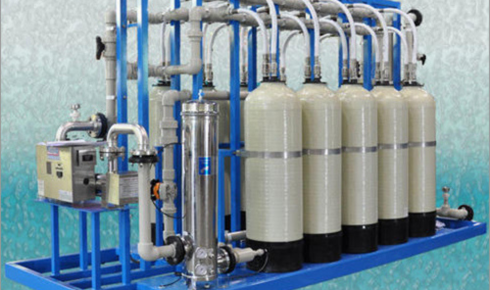
    That’s where commercial water solutions begin to make sense—not as an upgrade, but as a necessary step toward reliability.

    These systems are designed with demand in mind. Higher usage, stricter standards, and the need for consistent performance across multiple points of use.

    And when they’re implemented well, they don’t just fix problems—they prevent them.

    When Operations Depend on Precision

    There’s another layer to this, especially in industrial environments where precision isn’t optional.

    Water isn’t just part of the process—it is the process.

    Think about cooling systems, production lines, or specialized cleaning operations. In these scenarios, even minor impurities can affect outcomes. Equipment can wear faster. Efficiency can drop. Quality control becomes harder to maintain.

    This is where industrial water filtration steps in.

    It’s not about basic treatment—it’s about tailoring water quality to meet specific operational needs. Removing contaminants that could interfere with performance. Ensuring that every stage of a process receives water that meets the required standard.

    And while it might not be visible on the surface, the impact is significant.

    Machines run smoother. Processes become more predictable. And the margin for error shrinks in a way that benefits the entire operation.

    The Systems Behind the Scenes

    What’s interesting about water in commercial and industrial spaces is how interconnected everything is.

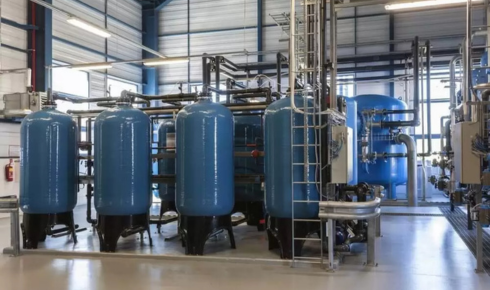
    It’s not just one system doing one job. It’s a network of components working together—pipes, filters, storage units, treatment systems—all influencing each other.

    That’s why facility systems need to be considered as a whole rather than in isolation.

    You can’t fix one part and expect everything else to fall into place. It’s about understanding how water moves through the entire facility, where it’s used, and what each point requires.

    And once that bigger picture is clear, solutions become more effective. Not just patches or temporary fixes, but adjustments that improve the entire system.

    The Hidden Costs of Overlooking Water

    One of the biggest challenges businesses face is recognizing the cost of doing nothing.

    Because water issues don’t always show up as immediate failures. They’re often gradual. A bit more maintenance here, a slight dip in efficiency there.

    Over time, those small changes add up.

    Higher energy bills. More frequent repairs. Shorter equipment lifespan. Even product inconsistencies that affect customer satisfaction.

    And by the time it becomes obvious, the cost has already been paid—just not all at once.

    Addressing water quality early doesn’t just prevent problems. It protects the investment you’ve already made in your operations.

    Finding the Right Approach

    Not every business needs the same solution. A restaurant, a manufacturing plant, and a healthcare facility all have different requirements.

    That’s why a one-size-fits-all approach rarely works.

    The key is understanding your specific needs. Where water is used, how it affects your processes, and what challenges you’re currently facing.

    From there, the right system becomes clearer.

    Sometimes it’s a targeted solution for a specific issue. Other times, it’s a comprehensive setup that addresses multiple aspects at once.

    Either way, the goal is the same—create a system that supports your operations rather than complicates them.

    The Value of Consistency

    What businesses often gain from improved water systems isn’t just performance—it’s consistency.

    And consistency, in many ways, is what keeps operations running smoothly.

    When water quality is stable, processes become more predictable. Equipment performs as expected. Output remains steady.

    It’s not about chasing perfection. It’s about removing variables that don’t need to be there.

    A Quiet Upgrade with Lasting Impact

    In the grand scheme of things, water systems don’t get much attention. They’re not visible to customers. They don’t make headlines within a business.

    But they matter.

    Because they influence so many aspects of daily operations, often without anyone realizing it.

    And when they’re optimized, the benefits are felt across the board.

    Less downtime. Lower maintenance costs. More reliable performance.

    Thinking Long-Term, Not Just Short-Term

    At the end of the day, improving water systems isn’t just about solving immediate problems. It’s about setting up your operation for long-term success.

    It’s about creating an environment where everything works together more efficiently, more predictably, and with fewer surprises.

    And while it might not be the most visible investment, it’s often one of the most impactful.

    Because when something as fundamental as water is working in your favor, everything else tends to follow.

    Quietly, consistently—just the way a well-run operation should.

  • When Water Becomes a Business Decision, Not Just a Utility

    When Water Becomes a Business Decision, Not Just a Utility

    Most businesses don’t think about water—at least not at first.

    It’s there, like electricity or internet. You expect it to work, and when it does, it fades into the background. No one sits in a meeting saying, “Let’s talk about our water today.”

    Until something goes wrong.

    Maybe your equipment starts scaling up faster than expected. Maybe your product quality begins to vary, just slightly, but enough to notice. Or maybe your operational costs creep up in ways that don’t quite make sense.

    That’s when water stops being invisible.

    The Quiet Role Water Plays in Daily Operations

    Whether you’re running a restaurant, a manufacturing unit, a hotel, or even a small office space—water is involved in more processes than you probably realize.

    Cleaning, cooling, processing, heating. It touches almost everything.

    And when the quality isn’t quite right, the effects can ripple outward. Not dramatically at first, but steadily.

    A coffee shop might notice a change in taste. A factory might see reduced efficiency. A hotel might deal with guest complaints about water spots or pressure.

    Individually, these issues seem minor. Together, they start to shape the experience you deliver.

    Why Businesses Can’t Rely on Guesswork

    At home, you might tolerate a little inconvenience.

    At work? That’s a different story.

    Businesses operate on consistency. Predictability. The ability to deliver the same result, day after day.

    And that’s hard to achieve when your water quality is fluctuating or working against you.

    This is where commercial water solutions start to make sense—not as an upgrade, but as a necessity.

    They’re not about overengineering things. They’re about creating stability in systems that rely on water to function properly.

    Hard Water, Real Costs

    Let’s talk about something that gets overlooked a lot—hard water.

    It doesn’t seem like a big deal at first. A little mineral buildup here, a bit of residue there.

    But over time?

    It adds up.

    Heating elements become less efficient. Pipes narrow due to scale. Equipment needs more frequent maintenance. Energy consumption increases.

    And suddenly, what looked like a small issue starts showing up in your operational costs.

    That’s why many businesses turn to commercial water softeners.

    Not because they’re trendy or optional, but because they address a problem that quietly eats into efficiency.

    When Purity Matters More Than Ever

    Some industries need more than just softened water.

    They need precision.

    Think about pharmaceuticals, food processing, electronics manufacturing—spaces where even small impurities can create big problems.

    In these environments, water isn’t just a utility. It’s part of the product, part of the process, part of the outcome.

    That’s where industrial RO systems come into play.

    They strip water down to a much purer state, removing dissolved solids and contaminants that standard systems might leave behind.

    And while that level of treatment isn’t necessary for every business, when it is, it’s non-negotiable.

    The Balance Between Performance and Practicality

    Here’s the tricky part.

    Not every business needs the most advanced system available. In fact, overbuilding a water solution can be just as inefficient as underestimating the problem.

    The goal isn’t to install the biggest or most complex setup.

    It’s to find the right fit.

    A system that aligns with your operations, your usage, your goals. Something that improves performance without adding unnecessary complexity.

    And that balance usually comes from understanding—not guessing.

    It’s Not Just About Equipment

    There’s a tendency to focus on the hardware.

    Filters, tanks, membranes, valves.

    But water treatment is more than just equipment—it’s a process.

    Monitoring. Adjusting. Maintaining.

    Because water conditions can change. Seasonal shifts, supply variations, even changes in usage patterns can affect how your system performs.

    And staying ahead of those changes is what keeps everything running smoothly.

    The Hidden Benefits You Notice Later

    What’s interesting is that the biggest benefits of better water often show up over time.

    Fewer breakdowns. Lower maintenance costs. More consistent output.

    Things that don’t make headlines, but make a difference.

    Your team spends less time troubleshooting. Your equipment lasts longer. Your processes become more reliable.

    And slowly, water goes back to being invisible again.

    When Water Stops Being a Problem

    That’s really the goal.

    Not to think about water more, but to think about it less.

    To reach a point where it supports your business quietly, without creating friction or uncertainty.

    Where you’re not reacting to issues, but operating with confidence.

    A Smarter Way to Look at It

    Maybe the shift is this—seeing water not as a fixed resource, but as something that can be optimized.

    Something that can be shaped to better serve your business.

    Because when water is aligned with your operations, everything else tends to fall into place more easily.

    And in business, those small efficiencies?

    They add up.

    More than we often realize.