Admin
Admin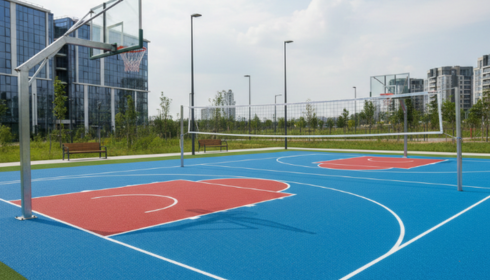
Sports infrastructure today is no longer about building one court for one game. Schools, residential societies, clubs, academies, and even private homeowners are increasingly investing in multi-purpose sports courts that allow multiple games to be played on the same surface—without compromising safety or performance.
Whether it’s basketball in the evening, tennis practice in the morning, or casual weekend games for kids, a well-designed multi-purpose court delivers flexibility, cost efficiency, and long-term value.
This guide explains everything you need to know about multipurpose courts, from design intent and surface selection to real-world usage scenarios.
What Is a Multi-Purpose Sports Court?
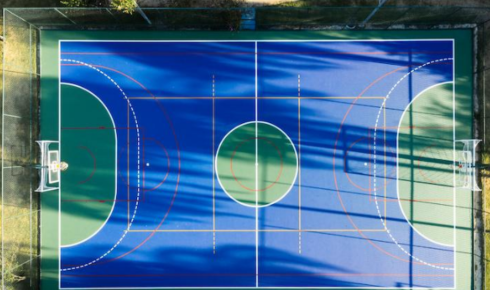
A multi-purpose sports court is a single playing area designed to accommodate more than one sport by using shared dimensions, layered line markings, and a compatible surface system.
Unlike single-sport courts, a multipurpose setup focuses on:
- Adaptability for different games
- Balanced grip and ball response
- Durability under mixed usage
- Safer play for all age groups
Common sports played on multipurpose outdoor courts include:
- Basketball
- Tennis
- Pickleball
- Badminton
- Volleyball
- Recreational fitness games
Why Multi-Purpose Courts Are in High Demand
The popularity of outdoor multipurpose courts is driven by practical needs rather than trends.
1. Maximum Use of Available Space
Urban projects rarely have room for multiple courts. A single multipurpose outdoor court solves this by serving multiple sports within the same footprint.
2. Cost-Effective Construction
Instead of building separate surfaces, one multi-purpose court surface reduces:
- Civil work costs
- Material investment
- Maintenance and resurfacing expenses
3. Ideal for Mixed User Groups
From children and beginners to competitive players, multi-purpose outdoor sports courts allow everyone to play without scheduling conflicts.
Popular Configurations of Multi-Purpose Courts
Multi-Purpose Basketball Court
A multi-purpose basketball court often acts as the primary layout, with secondary markings for tennis or pickleball. Basketball demands good grip and controlled bounce, making surface quality critical.
Multipurpose Basketball Court for Institutions
Schools and colleges prefer a multipurpose basketball court because it aligns with structured sports programs while supporting free play and training sessions.
Multi-Purpose Tennis Court
A multi-purpose tennis court balances ball speed and foot comfort, ensuring the surface doesn’t feel too hard for longer rallies or too soft for basketball drills.
Outdoor Multipurpose Court for Societies
Residential projects benefit most from outdoor multipurpose courts, as they support daily recreational use without needing specialized supervision.
Backyard Multi-Purpose Courts: A Growing Trend
Private homeowners are now opting for backyard multi-purpose courts instead of single-game setups.
A multi-purpose backyard court construction allows families to:
- Play basketball casually
- Practice tennis or pickleball.
- Create a safe outdoor activity zone for kids.
Unlike traditional concrete slabs, a properly built outdoor multipurpose court focuses on player comfort, anti-skid performance, and weather resistance.
Choosing the Right Multi-Purpose Court Surface
The success of any multi-purpose sports court depends heavily on surface selection.
An ideal multi-purpose court surface should offer:
- Consistent grip across sports
- Controlled ball rebound
- UV and weather resistance
- Compatibility with concrete bases
- Easy resurfacing without demolition
For multipurpose outdoor courts, synthetic acrylic flooring systems are widely preferred because they adapt well to mixed gameplay and Indian climate conditions.
Understanding Basketball Court Purpose in Multipurpose Design
The basketball court’s purpose often dictates the structural and surface design of multipurpose courts because basketball involves:
- High foot impact
- Sharp directional movement
- Frequent stops and pivots
This means the flooring system must support basketball safely while remaining suitable for tennis and other games—without becoming slippery or overly rigid.
Line Marking Strategy for Multipurpose Courts
One of the most overlooked aspects of a multipurpose court is line planning.
Best practices include:
- Clear color contrast between sports
- Prioritizing the main sport (often basketball)
- Avoiding excessive overlapping lines
- Using durable, fade-resistant marking paint
A good line strategy ensures players don’t feel confused or distracted during play.
Maintenance of Outdoor Multipurpose Courts
A well-constructed outdoor multipurpose court requires minimal upkeep compared to traditional surfaces.
Typical maintenance includes:
- Regular sweeping and washing
- Periodic inspection of line markings
- Checking surface texture after heavy usage
Because multipurpose courts host varied sports, consistent surface quality helps prevent uneven wear patterns.
Where Multi-Purpose Sports Courts Work Best
- Schools & Colleges – Daily sports periods and training
- Residential Societies – Community recreation
- Sports Academies – Cross-training and junior programs
- Hotels & Clubs – Guest engagement and lifestyle amenities
- Private Homes – Backyard fitness and family play
Why Choose Top Flooring for Multi-Purpose Sports Courts
When it comes to building high-performing multi-purpose sports courts, execution matters as much as design. Top Flooring specializes in synthetic acrylic flooring systems engineered specifically for mixed-use play and Indian outdoor conditions.
- Proven experience in outdoor multipurpose court construction
- Surface systems designed for basketball-first multipurpose layouts
- Consistent grip, controlled rebound, and long-term durability
- Climate-ready solutions for heat, rain, and heavy daily use
- Focus on system-based installation, not shortcut methods
This ensures multipurpose courts that stay safe, playable, and visually clear—even after years of mixed sports activity.
Final Thoughts
A thoughtfully designed multi-purpose sports court is not just a space-saving solution—it’s a long-term investment in flexible, inclusive play.
Whether you’re planning a multipurpose basketball court, a multipurpose tennis court, or a backyard multipurpose court, the right surface system and layout strategy make all the difference between a court that merely exists and one that performs year after year.
For projects that demand durability, versatility, and real-world performance, outdoor multipurpose courts continue to be the smart choice for modern sports spaces.