Blog

  • Rethinking the Glass in Your Hand: Why Better Water Changes More Than You Expect

    Rethinking the Glass in Your Hand: Why Better Water Changes More Than You Expect

    We obsess over what’s on our plate. Organic produce, protein intake, healthy fats, low sugar — it’s all part of the modern wellness conversation. But water? The thing we drink more than anything else? It rarely gets the same thoughtful attention.

    Maybe because it feels basic. Transparent. Neutral. Just water.

    But once you start paying attention to it — really paying attention — you realize how much it influences your daily life. From how you feel in the afternoon to how your coffee tastes in the morning, water quietly shapes your routine.

    And when the quality improves, the difference can be surprisingly noticeable.

    Water as Part of Your Nutrition

    We don’t typically think of water as “nutritious,” but hydration plays a central role in nearly every bodily function. Digestion, circulation, temperature regulation — it all depends on adequate fluid intake.

    When people talk about nutritional water benefits, they’re not suggesting water contains calories or vitamins. Instead, they’re recognizing how hydration supports the body’s ability to absorb nutrients and function properly.

    If you’re mildly dehydrated — even slightly — energy levels dip. Focus slips. Headaches creep in. You might blame stress or lack of sleep, when sometimes you just need more water.

    And here’s the subtle truth: you’re more likely to drink enough water when you actually enjoy it.

    Taste Matters More Than We Admit

    If your tap water tastes faintly metallic or carries a hint of chlorine, you probably don’t reach for it eagerly. You might grab soda instead. Or coffee. Or anything with more flavor.

    That’s where improved taste makes a real difference. When water tastes clean and refreshing, drinking it feels natural rather than forced.

    You don’t have to remind yourself to hydrate. You just do.

    I’ve noticed this personally. After installing a proper filtration system at home, I found myself refilling my glass more often without thinking about it. The water felt lighter. Crisper. There was no aftertaste lingering at the back of my throat.

    That small shift led to a bigger one — fewer sugary drinks, fewer caffeine overloads, and steadier energy throughout the day.

    What’s Being Left Behind?

    Modern municipal systems treat water to meet safety standards. That’s reassuring. But water can still contain trace minerals, chlorine byproducts, sediment, and other substances that affect flavor and clarity.

    Advanced filtration systems focus on reduced impurities, removing elements that aren’t necessarily dangerous but may not be desirable either.

    Clearer water. Cleaner smell. Fewer dissolved solids.

    It’s not about fear or assuming the worst. It’s about refinement. Think of it as polishing something that’s already functional, making it better suited to your personal standards.

    The Ripple Effect in Daily Life

    Better water doesn’t just affect hydration. It changes the small rituals in your day.

    Coffee brewed with filtered water tastes smoother. Tea leaves open up more cleanly. Even simple meals like rice or pasta can taste subtly different when the base ingredient is purer.

    Then there’s cooking for family. Filling a child’s water bottle. Offering a glass to a guest. When you trust your water, there’s no hesitation.

    It becomes effortless.

    Skin, Energy, and Everyday Comfort

    Hydration isn’t only internal. Skin health often reflects fluid intake. Dryness, dullness, or tightness can sometimes be linked to insufficient hydration.

    When you’re drinking more water — and enjoying it — your body benefits quietly. It’s not a dramatic overnight transformation. But over weeks and months, you may notice steadier energy levels and better overall comfort.

    And while shower water is a separate conversation, the quality of water you drink daily plays a foundational role in how you feel.

    Finding the Right Balance

    Not everyone needs an elaborate filtration system. The right approach depends on your local water quality and personal preferences.

    Start with information. Test your water. Understand its mineral content and chlorine levels. Sometimes a simple carbon filter is enough to enhance taste and clarity. In other cases, more advanced systems might be appropriate.

    The goal isn’t perfection. It’s alignment — choosing a solution that fits your household and your priorities.

    A Sustainable Shift

    There’s also the environmental angle. When tap water tastes better, reliance on bottled water often drops. That means fewer plastic bottles in landfills and less energy spent transporting packaged water.

    Small decisions at home can have wider impacts.

    And in many cases, investing in a home filtration system ends up being more economical over time than purchasing bottled water regularly.

    The Quiet Upgrade

    We often chase dramatic health upgrades — new workout programs, strict diets, elaborate supplements. But sometimes the most meaningful changes are simple.

    Water is foundational. It’s the base of every beverage, every soup, every glass you sip throughout the day. Improving its quality doesn’t require a lifestyle overhaul.

    It’s a quiet upgrade.

    If you’ve ever paused before drinking from the tap, or reached for something else because the taste wasn’t quite right, that’s worth noticing.

    Because when water tastes clean, feels refreshing, and supports your well-being without second thought, it becomes what it should have been all along — something you trust.

    In the end, paying attention to what’s in your glass isn’t overthinking. It’s intentional living. And sometimes, better hydration begins with something as simple as making sure the water itself is working in your favor.


  • The Invisible Shield: Why Clear Bra Installation Is Becoming a Smart Move for Car Owners

    The Invisible Shield: Why Clear Bra Installation Is Becoming a Smart Move for Car Owners

    There’s a moment every car owner knows. You wash your vehicle, dry it carefully, step back to admire the shine — and then you see it. A tiny paint chip on the front bumper. Maybe a faint nick on the hood. It’s small, sure, but it feels personal. Like the car aged overnight.

    Roads aren’t gentle. Gravel gets kicked up by passing trucks. Highway debris doesn’t ask permission. And no matter how cautiously you drive, the front end of your vehicle takes the brunt of it.

    That’s why more drivers are turning to clear bra installation — not as a flashy upgrade, but as a practical, protective decision.

    What a “Clear Bra” Actually Is

    The name can sound a little odd if you’re new to it. But a clear bra is simply a layer of paint protection film (PPF) applied to high-impact areas of a vehicle. It’s transparent, durable, and designed to absorb damage that would otherwise hit your paint.

    Think of it as a sacrificial layer. Instead of your paint taking the hit, the film does.

    The beauty of modern film technology is how invisible it can be when installed properly. No obvious lines. No cloudy finish. Just a clean surface that looks like factory paint — only tougher.

    Why the Front End Matters Most

    If you’ve ever examined the hood of a high-mileage vehicle, you’ve probably seen the evidence. Tiny chips peppering the paint. Slight discoloration from constant exposure.

    Most clear bra applications focus on the front bumper, hood, side mirrors, and sometimes the rocker panels. These areas face the most abuse during everyday driving.

    The idea isn’t to wrap the entire vehicle — though some owners do. It’s to provide strategic ppf coverage where it counts most.

    And that strategy makes sense. Protect the zones that are statistically most vulnerable, and you significantly reduce visible wear over time.

    Not Just for Luxury Cars

    There’s a common misconception that paint protection is only for high-end vehicles. Sure, owners of sports cars and luxury sedans invest heavily in film — but everyday drivers are starting to see the value too.

    Even mid-range vehicles can lose resale value due to visible paint damage. And if you lease your car, keeping the exterior in top shape can prevent unexpected charges at the end of the term.

    Clear bra installation isn’t about showing off. It’s about protecting an investment — whether that investment is emotional, financial, or both.

    The Real Value of Stone Chip Defense

    One of the biggest reasons drivers consider film is simple: stone chip protection.

    Highway driving practically guarantees exposure to flying debris. It doesn’t take much — a small rock, a split second — and you’re left with a paint chip that catches your eye every time you walk past the car.

    Film absorbs that impact. Instead of the paint cracking, the protective layer takes the hit. In many cases, the damage is barely noticeable — and sometimes, not visible at all.

    Over time, that protection adds up. A hood without chips looks significantly better than one covered in tiny white specks.

    Installation Quality Makes All the Difference

    Let’s be honest: film is only as good as its installation.

    Professional installers work in controlled environments to avoid dust contamination. They meticulously clean surfaces, align film precisely, and smooth out air bubbles.

    Done poorly, film edges may lift. Seams may be visible. Imperfections may show under certain lighting.

    Done well, the film is almost undetectable.

    This isn’t a rushed process. It requires patience and experience. That’s why choosing a reputable installer matters as much as choosing the film itself.

    Maintenance Is Surprisingly Easy

    One of the concerns people often have is upkeep. Will the film yellow? Will it require special treatment?

    Modern films are engineered to resist discoloration and UV damage. Basic maintenance is simple — gentle washing with non-abrasive products. Avoiding harsh chemicals. Parking in shaded areas when possible.

    Many owners even apply ceramic coatings over the film for added gloss and hydrophobic properties. It enhances shine and makes cleaning easier.

    The film itself may show minor wear over the years, but that’s the point. It’s doing its job so your paint doesn’t have to.

    Long-Term Perspective

    Clear bra installation isn’t about perfection. It’s about preservation.

    Cars naturally accumulate wear. But when the most vulnerable areas remain protected, the overall appearance holds up better over time.

    If you plan to sell your vehicle in a few years, that clean front end can make a difference. If you simply want your car to look sharp every time you walk up to it, that matters too.

    There’s a certain satisfaction in knowing you took proactive steps instead of reacting to damage later.

    Is It Worth It?

    That depends on how you see your vehicle.

    If it’s just transportation from point A to B, maybe not. But if you care about aesthetics, resale value, or simply reducing frustration from paint chips, it’s a practical choice.

    It’s also worth noting that repairing paint damage isn’t cheap. Touch-ups rarely match perfectly. Repainting panels can be costly and may affect vehicle value.

    In that context, protection feels less like a luxury and more like common sense.

    Final Thoughts: An Invisible Layer of Peace of Mind

    There’s something reassuring about invisible protection. It doesn’t change how your car looks. It simply ensures that it continues to look the way you want it to.

    Clear bra installation isn’t about vanity. It’s about foresight.

    Because the road isn’t gentle — but your paint doesn’t have to suffer for it.

    And sometimes, the smartest upgrades are the ones nobody notices… until they realize what could have happened without them.

  • Finding the Right Plumber Isn’t Just About Fixing Pipes — It’s About Trust

    Finding the Right Plumber Isn’t Just About Fixing Pipes — It’s About Trust

    There’s a certain kind of stress that comes with plumbing problems. It’s not just the inconvenience of a leaking pipe or a clogged drain — it’s the urgency. Water doesn’t wait. It keeps flowing, spreading, dripping, sometimes causing damage faster than you can react.

    And in those moments, you don’t just need someone with tools.

    You need someone you can trust.

    Choosing the right plumber isn’t simply a technical decision. It’s a deeply practical one that affects your home’s safety, your finances, and your peace of mind. Understanding what truly makes a plumbing service dependable can help homeowners make smarter decisions — before an emergency ever happens.


    Why Plumbing Problems Feel So Personal

    Unlike many home repairs, plumbing issues often affect daily routines immediately.

    A broken water heater means cold showers. A clogged kitchen drain disrupts cooking and cleaning. A leaking pipe creates anxiety about possible water damage.

    Because plumbing problems directly impact comfort and hygiene, they tend to feel more urgent than other maintenance issues.

    That urgency often leads homeowners to make rushed decisions when hiring help — which isn’t always ideal.

    Taking a moment to understand how to evaluate plumbing services can prevent long-term frustration.


    The Power of Reputation in Choosing a Plumber

    One of the most reliable ways to evaluate a plumbing service is by learning from the experiences of others.

    Online platforms and community forums provide access to customer reviews that offer valuable insights into service quality, reliability, and professionalism.

    Reviews often reveal patterns — whether a company consistently arrives on time, communicates clearly, and resolves issues effectively.

    While no business receives perfect feedback, a strong overall reputation usually indicates consistent performance.

    Reading reviews helps homeowners make informed choices instead of relying solely on advertising claims.


    What Reliability Really Means in Plumbing Services

    Reliability in plumbing isn’t just about showing up when scheduled.

    It involves consistency, transparency, and the ability to deliver effective solutions under pressure.

    Reliable plumbers demonstrate professionalism through clear communication, accurate diagnoses, and honest pricing.

    They provide realistic timelines, explain repair options thoroughly, and prioritize long-term solutions rather than quick fixes.

    For homeowners, reliability translates into confidence that problems will be handled correctly the first time.


    Why Experience Matters More Than Speed

    In plumbing emergencies, speed is important — but experience is equally critical.

    An inexperienced technician may address visible symptoms without identifying underlying causes.

    This can lead to recurring issues and additional expenses.

    Experienced plumbers understand system complexities and can diagnose problems accurately.

    They consider factors such as pipe materials, water pressure dynamics, and environmental conditions before implementing repairs.

    Their expertise helps prevent future complications.


    The Importance of Clear Communication

    One of the most overlooked aspects of plumbing service quality is communication.

    Homeowners often feel uncertain when technical terms and complex repair processes are involved.

    A professional service provider takes the time to explain issues in simple terms, outline repair options, and provide clear cost estimates.

    This transparency builds trust and helps homeowners feel confident about their decisions.

    Good communication also reduces misunderstandings and ensures expectations are aligned.


    How Professionalism Extends Beyond Repairs

    Professional plumbing services go beyond fixing immediate problems.

    They focus on long-term system health by offering maintenance recommendations and preventative solutions.

    Technicians may identify early signs of corrosion, pressure imbalances, or aging infrastructure during routine visits.

    Addressing these issues proactively helps prevent costly emergencies.

    This forward-thinking approach distinguishes truly professional services from basic repair providers.


    The Emotional Impact of Choosing the Right Service

    Plumbing emergencies often create emotional stress.

    Unexpected leaks can damage belongings, disrupt routines, and lead to financial concerns.

    Knowing that a trustworthy service provider is available can significantly reduce anxiety during these situations.

    Homeowners who establish relationships with dependable plumbing companies often feel more prepared to handle unexpected problems.

    Preparedness transforms emergencies into manageable challenges.


    Why Preventative Maintenance Strengthens Trust

    Regular maintenance visits provide opportunities for homeowners to evaluate service quality in non-emergency situations.

    These routine interactions help build trust and familiarity.

    Technicians who demonstrate professionalism during maintenance are more likely to deliver reliable performance during urgent repairs.

    Preventative care also helps extend system lifespan and reduce overall maintenance costs.


    The Role of Modern Technology in Service Quality

    Advancements in plumbing technology have improved both diagnostic accuracy and repair efficiency.

    Tools such as camera inspections, digital pressure monitoring, and leak detection sensors allow technicians to identify issues more precisely.

    Professional companies invest in these technologies to provide faster, more effective solutions.

    For homeowners, this means fewer disruptions and better repair outcomes.


    Protecting Property Value Through Reliable Service

    Plumbing quality directly affects property value.

    Poor repairs or unresolved issues can lead to structural damage, mold growth, and costly future repairs.

    Reliable service providers help maintain plumbing infrastructure, preserving both functionality and resale value.

    Documented maintenance and repair records also provide reassurance to potential buyers.


    Why Long-Term Relationships Matter

    Many homeowners view plumbing services as one-time transactions.

    However, building long-term relationships with trusted providers offers significant benefits.

    Familiar technicians understand system history, making diagnosis faster and more accurate.

    They can also provide tailored maintenance recommendations based on previous service records.

    This continuity improves overall system reliability.


    The Bigger Picture: Plumbing as a Foundation of Home Comfort

    Plumbing systems support nearly every aspect of daily life.

    From hygiene and cooking to energy efficiency and structural integrity, their role is essential.

    Choosing the right service provider ensures these systems function reliably.

    Trustworthy plumbers contribute not just technical expertise, but also peace of mind.


    The Bottom Line: Choose Trust Over Convenience

    When plumbing problems arise, the temptation to hire the first available technician can be strong.

    But taking time to evaluate reputation, reliability, and professionalism helps ensure better long-term outcomes.

    By prioritizing trustworthy service providers, homeowners can protect their homes, reduce stress, and maintain consistent comfort.

  • What Makes an Expert Truly Convincing in Court: It’s More Than Just a Resume

    What Makes an Expert Truly Convincing in Court: It’s More Than Just a Resume

    Most people imagine expert witnesses as individuals with impressive titles — doctors with decades of practice, engineers with stacks of certifications, or financial analysts who can read numbers like a second language. And yes, those credentials matter. They open doors. They establish authority.

    But here’s something many don’t realize until they see it unfold in a courtroom: qualifications alone don’t make an expert persuasive.

    The real test begins the moment they speak.

    Because in legal settings, expertise isn’t just about knowledge — it’s about clarity, trust, and the ability to explain complex ideas in ways ordinary people can actually understand.

    That’s where the true difference between a qualified professional and an effective expert witness becomes clear.


    Why Qualifications Are Only the Starting Point

    When courts evaluate experts, they begin by looking at formal backgrounds — education, certifications, professional experience, and areas of specialization. These factors establish whether someone has the technical authority to offer an opinion.

    This foundation is often described as expert witness qualifications, and it plays a critical role in determining whether an individual is permitted to testify.

    But here’s the interesting part: qualifications aren’t about prestige. They’re about relevance.

    An expert might have decades of experience, yet if their background doesn’t directly relate to the specific issue being litigated, their testimony may carry less weight.

    Courts look closely at whether an expert’s knowledge aligns precisely with the questions being asked.

    Because what matters most isn’t just how much someone knows — it’s how applicable that knowledge is to the situation at hand.


    The Importance of Communication in Legal Settings

    Even highly qualified experts can struggle if they can’t communicate effectively.

    Courtrooms are not academic conferences. They’re environments where information must be conveyed clearly to judges and juries who may have no technical background at all.

    An expert who uses overly complex language or relies heavily on jargon risks losing the attention and trust of decision-makers.

    Effective experts translate technical concepts into relatable explanations. They use analogies, simple comparisons, and structured reasoning to make their points understandable.

    This communication ability often determines how persuasive an expert’s testimony becomes.

    Because in legal proceedings, clarity can matter as much as accuracy.


    How Trust Shapes Credibility in Court

    Beyond knowledge and communication, another factor plays a powerful role in expert testimony: trust.

    Experts must present themselves as objective, impartial, and grounded in factual analysis.

    This quality contributes to what is often called courtroom credibility — the perception that an expert’s opinions are based on professional judgment rather than personal bias.

    Judges and juries observe not just what experts say, but how they say it.

    Are they consistent in their explanations? Do they acknowledge uncertainties honestly? Do they respond thoughtfully under cross-examination?

    These subtle factors influence whether decision-makers view the expert as trustworthy.

    And trust, once established, can significantly strengthen the impact of expert testimony.


    The Value of Practical Experience in Testifying

    Providing expert analysis isn’t the same as explaining that analysis in a courtroom environment.

    Legal proceedings involve unique challenges, including formal questioning, cross-examination, and strict evidentiary rules.

    This is why testimony experience often plays a crucial role in an expert’s effectiveness.

    Experienced expert witnesses understand how to present information concisely, remain composed under pressure, and respond clearly to complex questions.

    They know how to maintain professionalism while defending their conclusions confidently.

    This familiarity with courtroom dynamics allows them to focus on explaining their findings rather than navigating unfamiliar procedures.

    And that comfort often enhances the clarity and reliability of their testimony.


    The Emotional Impact of Clear Expert Testimony

    While expert evidence focuses on facts, it also carries an emotional dimension.

    Clear, well-presented testimony helps juries feel confident in their understanding of complex issues.

    When experts explain technical details transparently, they reduce confusion and create a sense of fairness within the courtroom.

    Conversely, unclear or defensive testimony can lead to skepticism or doubt.

    Effective expert witnesses don’t just inform — they create an environment where evidence can be evaluated calmly and objectively.

    And that emotional reassurance supports balanced decision-making.


    Challenges Experts Face in Legal Proceedings

    Serving as an expert witness requires balancing multiple responsibilities.

    Experts must remain objective, ensuring their opinions reflect professional standards rather than advocacy for one side.

    They must also communicate complex ideas in ways that withstand rigorous questioning.

    Cross-examination can test not only their knowledge but also their consistency and reasoning.

    These challenges highlight the importance of preparation, professionalism, and adaptability in expert testimony.

    Because expertise alone isn’t enough — it must be conveyed effectively under pressure.


    The Growing Importance of Skilled Expert Witnesses

    As industries become more specialized and technology advances rapidly, legal disputes increasingly involve complex technical issues.

    From medical innovations and environmental science to financial modeling and digital forensics, modern cases require expertise across diverse disciplines.

    This growing complexity has increased the demand for expert witnesses who can combine technical knowledge with strong communication skills.

    Their contributions help courts navigate complicated evidence while maintaining fairness and clarity.

    And as legal systems continue evolving, their role will only become more significant.


    A Thoughtful Ending: Expertise That Builds Understanding

    At its core, expert testimony is about more than knowledge.

    It’s about helping people understand — bridging the gap between specialized information and everyday decision-making.

    When experts bring relevant qualifications, communicate clearly, and maintain credibility, they support informed legal outcomes.

  • How to Make Your Home Feel Personal and Thoughtful

    How to Make Your Home Feel Personal and Thoughtful

    There’s a moment that happens in every well-loved home. You walk in, glance at a wall, and something catches your eye. Not because it’s expensive. Not because it’s trendy. But because it feels intentional. Personal. A little bit revealing.

    That’s the power of art in a space.

    Furniture sets the function. Lighting shapes the mood. But art? Art tells the story. It shows what moves you, what inspires you, what you’ve chosen to surround yourself with. And when it’s done right, it doesn’t feel staged. It feels lived in.


    Start With What You Love, Not What Matches

    The biggest mistake people make when decorating with art is trying to match it too perfectly to the sofa or the rug. They look for colors that coordinate instead of pieces that resonate.

    If you want to truly incorporate art into design, begin with what genuinely speaks to you. Maybe it’s a bold abstract painting that energizes you. Maybe it’s a quiet black-and-white photograph that feels nostalgic. Maybe it’s a small ceramic sculpture from a local artist.

    Art doesn’t have to be grand or dramatic. It just has to feel right in your space.

    When you choose pieces based on connection rather than coordination, the room gains depth. It feels layered instead of formulaic.


    Scale Matters More Than You Think

    One small framed print floating alone on a large wall often feels lost. On the other hand, oversized artwork in a tight space can overwhelm.

    Understanding scale changes everything. Large walls often benefit from statement pieces or thoughtfully arranged gallery walls. Smaller rooms may shine with a single focused work that anchors the space without crowding it.

    Before hanging anything, try this: place the artwork on the floor and lean it against the wall. Step back. Live with it for a day. Notice how it feels in different light.

    Art should feel like it belongs — not like it’s apologizing for being there.


    Thoughtful Placement Creates Balance

    There’s a reason designers talk about art placement almost as much as the art itself. Where you hang something influences how it’s experienced.

    As a general guideline, artwork should sit at eye level — roughly 57 to 60 inches from the floor to the center of the piece. But rules aren’t sacred. In a room with high ceilings, slightly higher placement can feel balanced. Above a sofa or bed, art should relate proportionally to the furniture below it.

    Don’t forget negative space. Walls need breathing room. A little empty space around a piece allows it to stand out more confidently.

    Lighting also plays a quiet role. A small spotlight or wall sconce can transform a painting from background decor to focal point.


    Mixing Styles Without Chaos

    Homes that feel dynamic often mix art styles — modern next to vintage, photography beside paintings, sculptural elements alongside framed prints.

    The trick is cohesion without uniformity. Maybe the frames share a similar tone. Maybe the color palette overlaps subtly. Maybe the subject matter echoes a theme.

    This is where interior styling becomes more intuitive than technical. Styling isn’t about rigid symmetry. It’s about rhythm. Repetition. Visual flow.

    Lay pieces on the floor before committing to nails in the wall. Experiment with arrangements. You might discover combinations you wouldn’t have considered at first.


    Art Beyond the Walls

    When we think of art, we usually imagine framed pieces hanging neatly in rows. But art can live elsewhere too.

    Lean a large canvas casually against a wall. Place a small sculpture on a console table. Prop a framed photograph on a bookshelf, layered with books and objects.

    These moments feel relaxed and approachable. They suggest that the art is part of everyday life — not just decoration for guests.

    Even functional items can be artistic. Hand-thrown pottery. Woven textiles. A beautifully designed lamp. These elements blur the line between utility and expression.


    Let the Room Guide the Mood

    Different spaces call for different energy.

    In a bedroom, softer artwork can enhance calm. Abstract shapes in muted tones, landscape photography, or subtle line drawings create serenity. In a dining room, bolder pieces might spark conversation. In a hallway, a curated gallery can tell a story as guests move through the home.

    Consider how you want to feel in each room, and let that guide your choices.

    Art is emotional. It should support the atmosphere you’re building.


    Personal Collections Tell Stories

    Some of the most compelling interiors feature collected art rather than coordinated sets.

    Travel sketches from different cities. Small prints gathered over time. A mix of family photos and contemporary pieces. These combinations feel authentic because they reflect lived experience.

    Perfection isn’t required. Slightly mismatched frames, varied sizes — these imperfections add character.

    Your home should evolve with you. Art can document that journey.


    Don’t Overthink It

    There’s a tendency to treat art as something fragile or intimidating. But at its core, it’s meant to be enjoyed.

    If you love a piece, hang it. If it doesn’t feel right after a few months, move it. Rotate artwork seasonally. Try different rooms.

    Design is not permanent. It’s fluid.


    A Home That Reflects You

    At the end of the day, art in your home should feel like an extension of who you are. Not a checklist. Not a trend. Not a showroom display.

  • Is Your Tap Water Really Okay? Why Testing It Might Be Worth Your Time

    Is Your Tap Water Really Okay? Why Testing It Might Be Worth Your Time

    Most of us assume our tap water is fine. We turn on the faucet, fill a glass, and carry on with our day. After all, municipal systems are regulated. Standards exist. Reports are published.

    But here’s the thing—water travels a long path before it reaches your kitchen sink.

    It moves through treatment plants, miles of infrastructure, sometimes aging pipes, and finally through your own home’s plumbing. Along the way, variables enter the picture.

    That’s why more homeowners are quietly typing “water testing near me” into search bars—not out of panic, but out of curiosity. And honestly, that curiosity isn’t unreasonable.


    Why Water Can Change Over Time

    Water quality isn’t static. It can fluctuate seasonally, depending on rainfall, temperature, and source supply. Heavy storms may stir up sediment. Infrastructure repairs can temporarily affect clarity or taste.

    Even within the same neighborhood, two homes can have slightly different water profiles if their plumbing systems differ.

    That’s part of the reason water quality importance keeps coming up in conversations around health and home maintenance. It’s not just about what the city treats—it’s about what ultimately reaches your tap.

    Water touches everything: what you drink, cook with, bathe in, and even what you use to wash your produce.

    You don’t need to obsess over it. But it’s worth understanding.


    What Water Testing Actually Reveals

    Testing your water isn’t dramatic. It’s data-driven.

    Basic home kits can measure hardness, pH levels, chlorine, and certain heavy metals. Professional lab tests can go deeper, identifying contaminants like lead, arsenic, nitrates, bacteria, or volatile organic compounds.

    Sometimes results confirm everything is within safe limits. That’s reassuring.

    Other times, they highlight areas where filtration or plumbing updates might help.

    The goal isn’t to find something wrong. It’s to eliminate uncertainty.


    Signs You Might Consider Testing

    There are subtle clues that suggest water testing could be worthwhile:

    • A metallic or unusual taste
    • Persistent cloudiness
    • Staining in sinks or tubs
    • White mineral deposits on fixtures
    • Skin irritation after showers
    • Old plumbing systems in your home

    None of these automatically signal danger. But they can indicate changes in mineral content or pipe condition.

    And even if your water seems fine, periodic testing—especially in older homes—can offer peace of mind.


    Municipal Reports vs. Home Testing

    Many cities publish annual water quality reports. These documents outline testing results from treatment facilities and confirm compliance with federal standards.

    That’s helpful.

    But those reports measure water before it enters your home’s plumbing. They don’t account for what happens inside your pipes.

    If your home has older plumbing materials, localized testing gives a more accurate picture of what you’re actually consuming.

    It’s not about distrusting public systems. It’s about understanding your specific situation.


    Professional vs. DIY Testing

    Home testing kits are convenient and relatively affordable. They provide quick insight into general conditions like hardness and chlorine levels.

    Professional lab testing, while more detailed, comes at a higher cost. It’s often recommended if you rely on well water, suspect contamination, or live in an area with known water concerns.

    When considering options, a few simple water testing tips can help:

    • Collect samples exactly as instructed to avoid contamination
    • Test both cold and hot water if relevant
    • Compare results against EPA or local safety guidelines
    • Repeat testing if results seem inconsistent

    Accurate sampling matters as much as accurate analysis.


    Well Water Requires Extra Attention

    If your home uses well water, regular testing becomes even more important.

    Unlike municipal systems, private wells aren’t monitored by public authorities. Responsibility falls entirely on the homeowner.

    Annual testing for bacteria and nitrates is generally recommended. Testing after major weather events is also wise.

    In these cases, testing isn’t optional—it’s preventive care.


    What Happens If Results Show an Issue?

    Not every finding requires drastic action.

    Hard water, for example, may only call for a softening system if it’s affecting appliances or comfort. Elevated chlorine might be resolved with a simple carbon filter.

    More serious contaminants, like lead or bacteria, require targeted solutions—often in consultation with water professionals.

    The key is responding proportionally.

    Water testing isn’t meant to create fear. It’s meant to inform decisions.


    The Value of Peace of Mind

    There’s something empowering about knowing exactly what’s in your water.

    Instead of guessing or relying solely on taste, you have data. And data makes choices clearer.

    Maybe testing confirms everything is perfectly safe. That’s a relief.

    Maybe it suggests minor improvements. That’s manageable.

    Either way, uncertainty disappears.

    And uncertainty is often what makes people uneasy in the first place.


    A Simple Step Toward Confidence

    Water is fundamental. It fuels your body, cooks your food, and flows through your home every day.

    Testing it doesn’t mean you expect a problem. It means you care enough to verify.

    In a world where we track everything from step counts to sleep cycles, checking the quality of something we consume daily seems like a reasonable step.

  • A Practical Guide to Choosing the Right System for Your Home

    A Practical Guide to Choosing the Right System for Your Home

    There’s a moment most of us have had. You fill a glass straight from the tap, take a sip, and pause. It’s not terrible. It’s just… not great.

    Maybe there’s a faint chlorine aftertaste. Maybe it feels slightly metallic. Or maybe you’ve recently read something about local water quality and now you’re paying closer attention.

    Whatever sparked it, that small hesitation often leads to a bigger question: should you upgrade your water?

    And that’s where the world of drinking water systems opens up.

    Not in a dramatic, fear-based way. Just in a practical, let’s-make-this-better kind of way.


    Why Tap Water Isn’t Always “Bad,” Just Not Ideal

    Municipal water in most developed regions is treated and regulated. It meets safety standards. That matters.

    But safe doesn’t always mean satisfying.

    Disinfectants like chlorine are added to protect water during distribution. Pipes may introduce trace minerals. And if you’re on well water, natural groundwater conditions can influence taste and clarity.

    It’s rarely about immediate danger. It’s about preference and confidence.

    When water tastes better, you drink more of it. That’s not a marketing line — it’s human nature. And that’s one of the main reasons homeowners start exploring filtration.


    The Simplicity of Under-Sink Solutions

    For many households, the most practical starting point is under sink filtration.

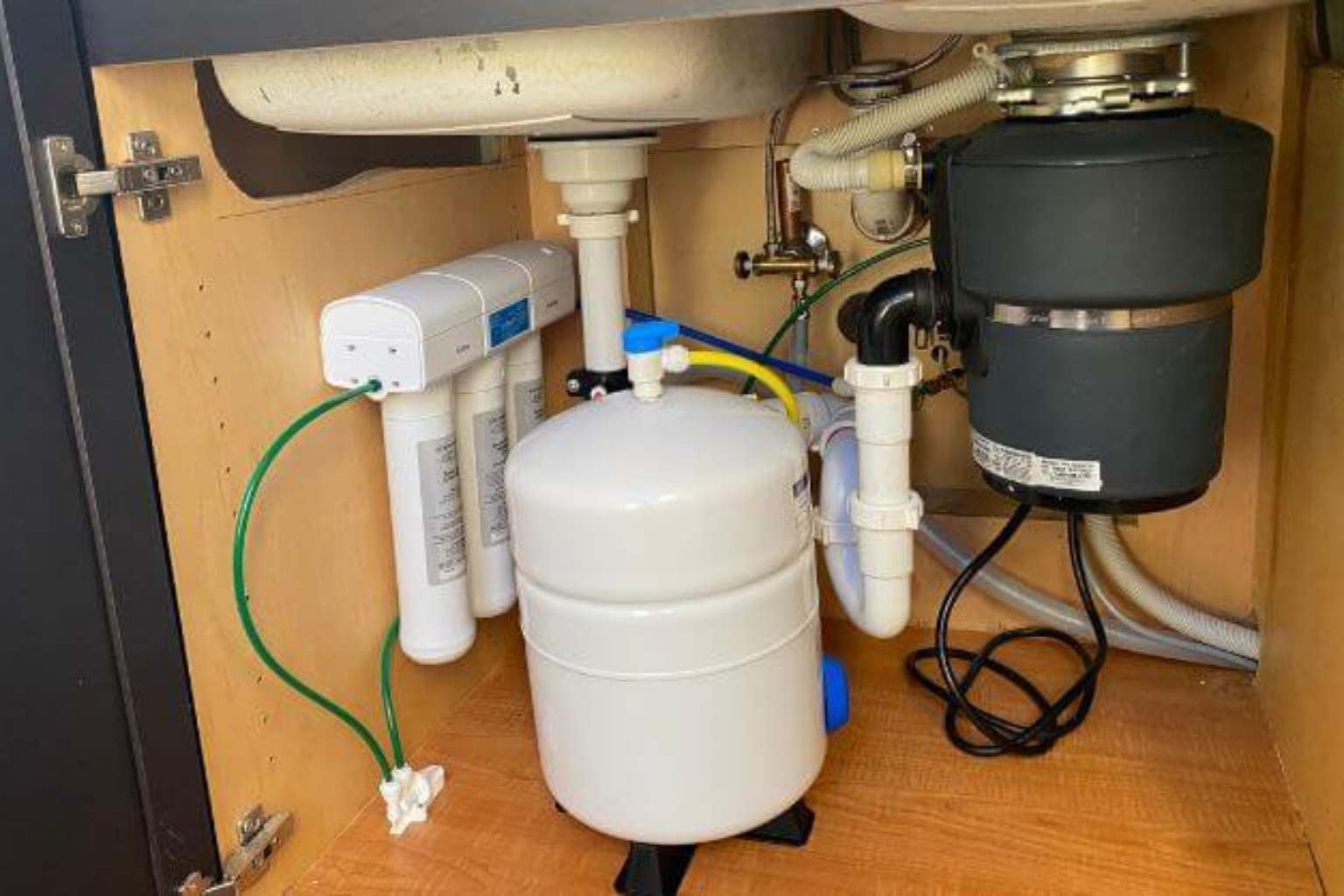
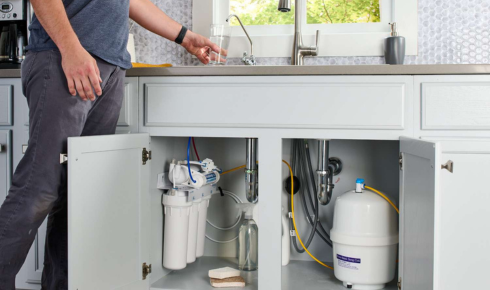
    These systems are installed beneath the kitchen sink and connected directly to a dedicated faucet. They treat water at the point of use, which means you’re filtering only the water you drink and cook with — not every drop flowing through your shower or washing machine.

    Carbon-based filters are especially common here. They reduce chlorine taste and odor, improve clarity, and remove certain organic compounds.

    The difference is often immediate. Coffee tastes smoother. Ice cubes look clearer. Water simply feels lighter.

    And the best part? Once installed, it becomes part of your routine. Turn the small faucet. Fill your glass. Move on.

    No fuss.


    When You Want a Deeper Level of Filtration

    Some homeowners want more comprehensive purification — especially if their water report shows elevated dissolved solids, nitrates, or other contaminants.

    That’s where reverse osmosis comes in.

    RO systems use a semi-permeable membrane to remove many dissolved substances that standard filters can’t catch. Water is pushed through this membrane under pressure, leaving impurities behind.

    It’s a more intensive process. It also requires more maintenance — filters need replacing, membranes have a lifespan, and the system typically includes a small storage tank.

    But for many, the payoff is worth it. The water tastes exceptionally clean. Neutral. Crisp.

    If you’ve ever tasted water from an RO system and noticed it feels almost weightless on your tongue, that’s not your imagination.

    It’s chemistry at work.


    Deciding What’s Right for You

    Not every home needs the same solution.

    If your water tastes slightly chlorinated but otherwise tests fine, a basic under-sink carbon filter might solve the issue.

    If you’re on a private well and concerned about specific contaminants, reverse osmosis could be more appropriate.

    And if you’re mostly frustrated with hardness — scale buildup on faucets or cloudy glassware — that’s actually a separate issue requiring a softener, not a drinking water filter.

    This is why testing matters. Municipal water reports, home testing kits, or professional analysis provide clarity before you spend a dollar.

    Guessing leads to overspending. Data leads to confidence.


    Maintenance Isn’t Complicated — But It’s Necessary

    One common misconception is that once you install a system, you’re done forever.

    Not quite.

    Filters clog. Cartridges expire. Membranes wear out.

    Maintenance schedules vary by system and water quality, but replacing filters regularly is essential for performance. Fortunately, modern systems are designed for relatively simple upkeep.

    Think of it like changing the oil in your car. Ignore it, and performance drops. Stay consistent, and everything runs smoothly.


    The Emotional Shift of Better Water

    There’s something subtle yet powerful about trusting your tap.

    You stop hesitating before filling a glass for a guest. You don’t second-guess the water you use for baby formula or rinsing fresh fruit. You might even drink more throughout the day because it genuinely tastes good.

    It’s not flashy. No one compliments your under-sink filter.

    But you feel the difference.

    And over time, that feeling becomes part of what makes your home comfortable.


    Sustainability and Everyday Practicality

    Many homeowners also consider environmental impact. Relying on bottled water generates plastic waste and recurring costs.

    Installing a filtration system can reduce that dependence. You’re producing fewer empty bottles. You’re simplifying grocery trips.

    It’s a small shift, but it adds up.

    And it aligns with a broader mindset of improving the essentials instead of outsourcing them.


    Final Thoughts

    Upgrading your drinking water isn’t about fear. It’s about refinement.

    When you understand what’s in your water and choose a system that aligns with your needs, you’re making a practical improvement to daily life.

    Whether that means a simple under-sink filter or a more advanced reverse osmosis setup, the goal remains the same: water that tastes clean, feels reliable, and supports your routine without distraction.

  • Rethinking the Water in Your Glass: A Practical Guide to Better Drinking Water at Home

    Rethinking the Water in Your Glass: A Practical Guide to Better Drinking Water at Home

    Most of us don’t think about water until something feels off.

    Maybe it’s the faint chlorine taste in your morning coffee. Maybe your ice cubes look cloudy. Or maybe you’ve simply started paying more attention to what you put into your body every day. Water, after all, is something we consume constantly — it deserves a second look.

    The good news? Improving your water at home isn’t complicated. But it does require understanding your options and matching them to what you actually need.


    Why the Kitchen Tap Deserves Attention

    We often focus on whole-home upgrades — plumbing, appliances, fixtures — yet the water we drink directly is sometimes overlooked.

    That’s where dedicated drinking water systems come in. These systems are designed specifically for the water you consume, not the water you shower in or wash clothes with.

    The benefit is precision. Instead of treating every drop entering your home, you focus on the point that matters most: the kitchen sink.

    For many households, this targeted approach makes sense. It’s cost-effective, efficient, and directly impacts taste and quality where it counts.


    When Taste Is the First Clue

    Municipal water is treated to meet safety standards, but chlorine — used for disinfection — often lingers. It’s safe in regulated amounts, but it can alter flavor.

    If you’ve ever compared tap water to bottled water side by side, you may have noticed subtle differences.

    That’s where under sink filtration becomes a practical solution.

    Installed neatly below your kitchen sink, these systems typically use carbon filters to reduce chlorine, sediment, and certain organic compounds. The change isn’t dramatic — it’s refined.

    Coffee tastes smoother. Tea feels cleaner. Even plain water feels lighter.

    And because the system connects directly to your faucet, it’s convenient. No pitchers to refill. No bulky countertop units.

    It’s one of those upgrades that quietly improves daily life.


    When You Want to Go Further

    For homeowners seeking deeper purification, reverse osmosis systems often enter the conversation.

    Unlike basic carbon filters, reverse osmosis (RO) uses a semi-permeable membrane to remove dissolved solids from water. This can include certain heavy metals, nitrates, and other impurities that standard filtration may not fully address.

    The result is highly purified water with noticeably reduced mineral content.

    Some people love the crisp, almost neutral taste of RO water. Others find it takes a little getting used to. It’s a personal preference.

    But from a technical standpoint, RO offers a more comprehensive level of filtration compared to basic carbon systems.

    The key is knowing whether your water actually requires that level of treatment.


    Testing Before Choosing

    It’s tempting to jump straight to installation. But testing your water first can save time and money.

    A simple analysis reveals hardness levels, total dissolved solids (TDS), chlorine presence, and potential contaminants.

    If chlorine taste is your only concern, a carbon filter may be enough. If TDS levels are high or specific contaminants are detected, reverse osmosis might be justified.

    Without testing, you’re guessing. With testing, you’re informed.

    And informed decisions tend to work out better.


    Installation and Maintenance Realities

    Modern systems are more user-friendly than ever.

    Under-sink units are compact and often installed within a couple of hours. Filters typically require replacement every six to twelve months, depending on usage and water quality.

    Reverse osmosis systems may require periodic membrane changes in addition to pre- and post-filters.

    Maintenance isn’t difficult, but it’s essential. Skipping filter changes reduces effectiveness over time.

    Set reminders. Keep it simple. Consistency keeps water quality stable.


    Environmental and Cost Considerations

    Improved tap water quality often reduces reliance on bottled water. That’s less plastic waste and fewer grocery store trips.

    Over time, this shift can lead to noticeable savings.

    It’s not about eliminating bottled water entirely. It’s about making it optional rather than necessary.

    When your tap delivers water you genuinely enjoy drinking, habits naturally change.


    Finding the Right Fit

    There’s no universal answer when it comes to home water systems.

    Some households benefit from basic carbon filtration. Others require more advanced treatment. Some prefer the mineral-rich taste of lightly filtered water, while others enjoy the purity of reverse osmosis.

    The right system aligns with your water quality and personal preferences.

    Not the trendiest option. Not the most expensive one.

    Just the right one.


    A Final Thought on Water and Trust

    Water is foundational. It touches your health, your cooking, your daily routines.

    When you trust what comes out of your tap, you stop thinking about it. You fill your glass without hesitation. You brew coffee without second-guessing.

  • The Right Electrician Makes All the Difference: What Homeowners and Business Owners Should Know

    The Right Electrician Makes All the Difference: What Homeowners and Business Owners Should Know

    Description: A practical, human-focused guide to understanding residential and commercial electrical needs, along with smart tips for choosing the right electrician for safe and reliable results.

    There’s something quietly reassuring about flipping a switch and watching the lights turn on without hesitation. We don’t usually pause to appreciate it. Electricity just works—until it doesn’t.

    And when it stops working, even briefly, life feels oddly disrupted. The kitchen goes dark mid-dinner. The office Wi-Fi drops during a client meeting. The retail store’s lights flicker just as customers start browsing.

    That’s when most people realize how deeply they depend on reliable electrical systems.

    Whether you’re managing a home renovation or upgrading a business space, understanding the difference between routine fixes and long-term planning matters more than you might think.

    Homes and Businesses Have Different Needs

    At first glance, wiring might seem similar everywhere—cables in walls, panels in closets, outlets along baseboards. But the demands of residential and commercial electrical systems are surprisingly different.

    In homes, the focus is often comfort, safety, and convenience. Families rely on consistent lighting, properly grounded outlets, and circuits that can handle modern appliances. With smart devices, electric vehicles, and home offices becoming common, electrical capacity has to grow alongside lifestyle changes.

    Commercial spaces, on the other hand, operate under heavier loads and stricter regulations. Restaurants juggle high-powered kitchen equipment. Offices run servers and multiple workstations. Warehouses depend on large lighting systems and automated machinery.

    Downtime in a home is inconvenient. Downtime in a business can be expensive.

    Understanding these distinctions helps you choose the right professional for your specific needs.

    It’s More Than Fixing What’s Broken

    A good electrician doesn’t just repair issues—they anticipate them.

    For homeowners, that might mean upgrading panels before they’re overloaded or recommending additional outlets to reduce reliance on extension cords. For businesses, it could involve load balancing, surge protection, or installing backup systems to minimize operational disruptions.

    Electrical work should never feel rushed. It requires careful inspection, accurate calculations, and attention to safety codes.

    If someone offers a quick fix without thoroughly assessing the situation, it’s worth asking a few more questions.

    Knowing What to Look For

    When it comes to hiring a professional, a little research goes a long way. There are countless companies offering services, but not all are equal.

    That’s why having clear electrician selection tips can make the process less overwhelming.

    First, verify licensing and insurance. A legitimate electrician should have no hesitation in providing documentation. Licensing ensures proper training and knowledge of current codes, while insurance protects both parties in case of accidents.

    Second, ask about experience relevant to your project. An electrician who specializes in residential work might not be the best fit for a large commercial installation—and vice versa.

    Third, pay attention to communication. Do they explain the issue clearly? Offer realistic timelines? Provide written estimates? Professionalism often reveals itself in these small details.

    The Importance of Code Compliance

    Electrical codes exist for a reason. They evolve based on safety research and past incidents. Ensuring that work meets current standards isn’t just about passing inspections—it’s about protecting people.

    Improper grounding, overloaded circuits, or outdated panels can pose fire hazards. A licensed electrician understands these risks and addresses them proactively.

    For businesses especially, compliance can affect insurance coverage and operational approvals. Cutting corners might save money upfront, but it often costs more in the long run.

    Planning for the Future

    Technology isn’t slowing down. Homes are integrating smart thermostats, automated lighting, and electric vehicle chargers. Businesses are adopting advanced data systems and energy-efficient solutions.

    Electrical infrastructure should support these changes rather than resist them.

    When planning renovations or upgrades, consider future needs. Is your panel large enough to handle expansion? Are there dedicated circuits for high-demand equipment? Is your wiring capable of supporting modern devices safely?

    Strategic upgrades today prevent disruptive overhauls tomorrow.

    Safety and Peace of Mind

    There’s a reason electrical work should be left to professionals. It’s not just about complexity—it’s about risk.

    Electricity doesn’t offer second chances. A poorly installed connection can overheat silently for months before causing damage. An overloaded circuit may trip repeatedly before finally failing.

    Professional electricians approach each project with safety at the forefront. They test systems thoroughly. They double-check connections. They ensure grounding and protection devices are properly installed.

    And when the job is done, you should feel confident—not worried.

    Building Trust Over Time

    Many homeowners and business owners develop long-term relationships with electricians they trust. That continuity matters.

    Having a professional familiar with your property’s layout and history makes future projects smoother. They understand your system’s quirks and can recommend upgrades tailored to your environment.

    Trust isn’t built overnight. It comes from consistent, reliable service.

    Final Thoughts

    Electricity powers nearly every aspect of modern life. It supports comfort at home and productivity at work. Yet it often goes unnoticed until something disrupts it.

    Choosing the right electrician isn’t about finding the cheapest quote or the fastest turnaround. It’s about safety, reliability, and long-term value.

    By understanding your specific needs—whether residential or commercial—and taking time to select a qualified professional, you’re investing in more than wiring. You’re investing in stability.

  • When Your Refrigerator Starts Acting Up: Understanding Common Problems Before They Get Worse

    When Your Refrigerator Starts Acting Up: Understanding Common Problems Before They Get Worse

    There’s something uniquely frustrating about refrigerator trouble. Unlike other appliances, you can’t really ignore it or wait too long to deal with it. When a refrigerator begins showing signs of failure, it doesn’t just disrupt convenience—it affects food safety, daily routines, and peace of mind.

    Most people don’t think much about their fridge until something goes wrong. It hums quietly in the background, doing its job day after day without demanding attention. But when it suddenly stops performing properly, that silence turns into stress surprisingly fast.

    And that’s usually when homeowners realize how essential it really is.

    Early Warning Signs You Shouldn’t Ignore

    Refrigerators rarely fail without warning. In most cases, they show subtle signs long before a major breakdown occurs.

    You might notice the motor running more frequently, food spoiling faster than usual, or small puddles forming beneath the unit. Sometimes there’s an unusual noise—nothing dramatic, just different enough to raise suspicion.

    These early symptoms are often signals that internal components are struggling.

    Addressing them quickly can prevent larger, more expensive problems later.

    When Cooling Performance Starts Dropping

    One of the most common issues homeowners experience is a fridge not cooling properly. This problem can feel especially alarming because it directly affects food storage.

    The cause, however, isn’t always obvious.

    Sometimes it’s something simple, like blocked vents or dirty condenser coils. In other cases, it may involve malfunctioning thermostats, faulty compressors, or refrigerant leaks.

    The key is identifying the underlying cause rather than guessing based on symptoms alone.

    Because while it might seem like a minor temperature fluctuation at first, cooling issues can escalate quickly if left unresolved.

    Why Ice Makers Often Become Trouble Spots

    Ice makers are convenient, but they’re also one of the most delicate components inside modern refrigerators.

    Over time, homeowners frequently encounter ice maker problems such as inconsistent ice production, unusual noises, or leaks around the dispenser area.

    These issues can result from clogged water lines, faulty valves, or sensor malfunctions.

    Because ice makers involve both electrical and water systems, even small issues can affect overall refrigerator performance.

    That’s why addressing them early is important—not just for convenience, but to prevent potential water damage.

    The Importance of Professional Diagnosis

    Refrigerator systems are more complex than they appear. Cooling involves a combination of electrical components, mechanical systems, and precise airflow design.

    What seems like a simple issue often has multiple potential causes.

    This complexity makes accurate diagnosis crucial.

    Professional technicians use specialized tools and experience to identify root problems quickly. They can determine whether an issue involves electrical connections, refrigerant flow, or mechanical wear.

    This ensures repairs address the true source of malfunction rather than temporary symptoms.

    How Professional Repairs Save Time and Stress

    Many homeowners consider attempting DIY repairs when refrigerators start malfunctioning. While basic maintenance tasks can be handled safely, complex repairs often require professional expertise.

    This is where refrigerator repair services provide significant value.

    Technicians not only repair the immediate issue but also inspect related components to prevent future problems.

    They test system performance, ensure proper calibration, and verify safety standards—steps that are difficult to replicate without training.

    Professional repairs often restore functionality faster and more reliably.

    Preventing Future Refrigerator Problems

    Routine maintenance plays a major role in preventing refrigerator breakdowns.

    Simple actions—like cleaning condenser coils, checking door seals, and ensuring proper airflow around the unit—can significantly extend lifespan.

    Regular inspections help identify minor issues before they become major repairs.

    Maintaining consistent care reduces strain on internal systems, allowing refrigerators to operate efficiently over time.

    The Emotional Impact of Appliance Failures

    It might sound surprising, but refrigerator problems can create more stress than many other appliance issues.

    Because refrigerators are tied closely to daily routines—meal planning, grocery storage, family schedules—they represent stability within the home.

    When they malfunction, that stability feels disrupted.

    Repairing the appliance quickly restores not just functionality, but also a sense of normalcy.

    Why Timely Repairs Matter

    Delaying refrigerator repairs often leads to more extensive damage.

    Cooling problems can strain compressors. Water leaks can damage flooring. Electrical issues may affect multiple internal systems.

    Addressing problems early helps prevent these complications.

    Timely repairs also help maintain energy efficiency, reducing long-term operating costs.

    A Quiet Guardian of Everyday Life

    Refrigerators rarely demand attention when they’re functioning properly. They quietly protect food, support daily routines, and contribute to household comfort.

    But when problems arise, their importance becomes instantly clear.

    Maintaining and repairing refrigerators isn’t just about preserving an appliance—it’s about protecting convenience, safety, and peace of mind.