
Blog

  • Making Clean Water Simple: Why Modern Homeowners Are Choosing Flexible Solutions

    Making Clean Water Simple: Why Modern Homeowners Are Choosing Flexible Solutions

    There’s something comforting about turning on a tap and knowing the water flowing out is clean, safe, and ready to use. It’s such a basic part of daily life that most of us don’t think about it much—until we start noticing small frustrations. Maybe the water tastes slightly metallic, or your dishes come out of the dishwasher with faint white marks. Perhaps your shower leaves your skin feeling unusually dry.

    At first, these things don’t feel urgent. They’re easy to ignore or blame on other factors. But over time, they create a quiet sense of discomfort that makes you start wondering whether something could be improved.

    And that’s usually when homeowners begin exploring ways to upgrade their water systems.

    Why Clean Water Has Become a Lifestyle Priority

    In the past, water treatment was often considered a luxury. Today, it’s increasingly viewed as an essential part of maintaining a comfortable home.

    Clean water doesn’t just improve taste—it protects plumbing systems, enhances appliance performance, and makes everyday tasks easier. Laundry feels softer, cleaning requires less effort, and cooking becomes more enjoyable.

    The benefits extend beyond convenience. Reliable water quality reduces long-term maintenance costs and supports overall household efficiency.

    That’s why more homeowners are taking proactive steps to improve their water systems rather than waiting for problems to escalate.

    The Growing Appeal of Flexible Water Solutions

    One of the biggest barriers to upgrading water systems has traditionally been the upfront cost. Many homeowners hesitate to invest in equipment that doesn’t produce a visible transformation, even when they understand the long-term benefits.

    This is where convenient rentals have changed the landscape. Instead of purchasing a system outright, homeowners can opt for rental plans that include installation, maintenance, and service support.

    This approach allows people to enjoy improved water quality without the financial strain of a large one-time payment.

    It also offers flexibility. If needs change or technology evolves, rental agreements often allow upgrades or adjustments more easily than permanent purchases.

    For many households, this flexibility makes water improvements far more accessible.

    The Role of Supporting Components in System Performance

    While major filtration units receive most of the attention, smaller supporting items play an equally important role in maintaining system efficiency.

    These water system accessories include replacement filters, maintenance tools, and monitoring components that ensure the system operates at peak performance.

    Ignoring these accessories can lead to reduced efficiency, increased energy consumption, and even premature system wear.

    Regular maintenance and proper accessory use help extend system lifespan and maintain consistent water quality.

    In many cases, these small components make the difference between a system that performs reliably and one that struggles over time.

    Why Real Experiences Matter When Choosing a System

    When researching water solutions, homeowners often feel overwhelmed by technical specifications and product descriptions. It can be difficult to know which claims are truly meaningful.

    This is where product testimonials provide valuable insight. Hearing from other homeowners who have already installed and used a system offers a practical perspective that technical details alone cannot provide.

    Testimonials often highlight everyday benefits—such as improved taste, reduced cleaning effort, and smoother appliance operation.

    They also reveal potential challenges, helping prospective buyers set realistic expectations.

    For many people, these real-world experiences play a crucial role in making confident decisions.

    The Emotional Comfort of Reliable Water

    It might seem surprising, but water quality has a strong emotional impact. Knowing your home has reliable filtration reduces background worry.

    You don’t question whether your drinking water is safe. You trust your appliances to function efficiently. You feel confident that your household systems are protected.

    This quiet reassurance creates a sense of stability that contributes to overall comfort.

    And in a world where so many things feel uncertain, even small sources of reliability matter.

    Prevention Over Repair: A Smarter Approach

    One of the biggest lessons homeowners learn is that proactive water management prevents costly repairs.

    Hard water can damage appliances over time. Sediment buildup can reduce water pressure. Chemical residues can affect plumbing infrastructure.

    Addressing these issues early—through filtration, maintenance, and monitoring—helps avoid expensive replacements later.

    It’s a simple shift in mindset: investing in prevention rather than reacting to problems after they occur.

    The Subtle Benefits That Transform Daily Living

    Unlike visible home upgrades, water improvements rarely produce dramatic before-and-after moments.

    Instead, the benefits appear gradually. Laundry feels softer. Glassware remains clearer. Shower experiences become more comfortable.

    These small improvements accumulate over time, creating a noticeably smoother daily routine.

    And once homeowners experience these changes, they often wonder how they lived without them.

    A Quiet Upgrade That Makes a Lasting Difference

    Improving water quality doesn’t change how your home looks. There’s no decorative transformation or dramatic visual impact.

    Yet the influence is felt every single day—in better tasting drinks, easier cleaning routines, and greater peace of mind.

    Over time, these quiet benefits add up to something meaningful.

    Because sometimes, the most valuable improvements in a home aren’t the ones you see.

    They’re the ones working silently in the background—supporting comfort, protecting infrastructure, and making everyday life just a little easier, one glass of water at a time.
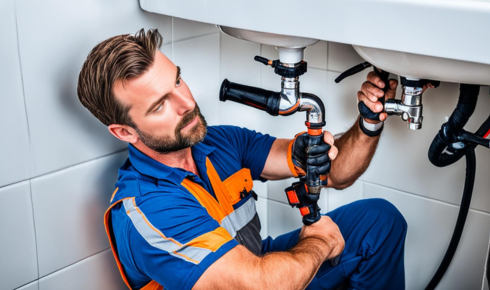

  • When Water Won’t Wait: Why Reliable Plumbing Help Matters More Than You Think

    When Water Won’t Wait: Why Reliable Plumbing Help Matters More Than You Think

    There’s a unique kind of stress that comes with plumbing problems. It’s not just inconvenience — it’s the sudden disruption of something you rely on constantly without ever thinking about it. One moment, everything feels normal. The next, you’re staring at water pooling across the floor, wondering how something so ordinary could turn chaotic so quickly.

    Plumbing issues have a way of reminding us how much our daily routines depend on invisible systems. Showers, dishwashing, laundry, even something as simple as making coffee — all of it relies on water flowing exactly where it should.

    And when it doesn’t, the clock starts ticking.


    The Hidden Complexity of Everyday Plumbing

    Most homeowners assume plumbing is straightforward — pipes carry water in, drains carry it out. But beneath that simplicity lies a complex network of pressure systems, valves, joints, and connections working together constantly.

    Over time, wear and tear become inevitable. Pipes corrode, seals loosen, and mineral deposits accumulate. Small weaknesses develop gradually, often unnoticed until they escalate into visible problems.

    This is why maintaining a relationship with an expert plumbing service can make such a difference. Professional technicians understand how to identify early warning signs and prevent minor issues from turning into emergencies.

    Their role isn’t just repair — it’s long-term system protection.


    When Plumbing Problems Demand Immediate Action

    Some plumbing issues allow time for planning. Others don’t.

    Burst pipes, overflowing drains, and major leaks can cause significant damage within minutes. Water spreads quickly, soaking floors, weakening walls, and creating conditions for mold growth.

    In these situations, homeowners often require urgent plumbing support to minimize damage and restore safety. Rapid intervention helps contain the problem before it escalates into costly restoration work.

    Understanding which issues require immediate attention is critical for effective response.


    The Importance of Acting Quickly

    Time plays a crucial role in plumbing emergencies. The longer water remains uncontrolled, the more damage it can cause.

    For example, a small pipe leak can release gallons of water over several hours. By the time it’s discovered, structural materials may already be compromised.

    This is why professional services emphasize fast response capabilities. Quick arrival allows technicians to stop water flow, assess damage, and begin repairs immediately.

    Speed often determines whether a situation remains manageable or becomes overwhelming.


    Recognizing Early Warning Signs

    Plumbing emergencies rarely occur without warning. Most systems provide subtle clues before major failures happen.

    Common early indicators include:

    • Sudden drops in water pressure
    • Unusual sounds in pipes
    • Persistent damp odors
    • Water stains on ceilings or walls
    • Unexpected increases in water bills

    Paying attention to these signals allows homeowners to address issues before they escalate.

    Preventive action is always more effective than emergency repairs.


    The Financial Impact of Plumbing Failures

    One of the most challenging aspects of plumbing problems is their potential cost. Water damage restoration often involves multiple repair stages, including flooring replacement, drywall repair, and mold remediation.

    These expenses can escalate quickly.

    Early intervention significantly reduces financial impact. Fixing a minor leak, for example, costs far less than repairing structural damage caused by prolonged exposure.

    Routine maintenance and timely repairs provide long-term cost savings.


    The Emotional Side of Plumbing Reliability

    Beyond financial concerns, plumbing issues create emotional stress. Discovering water damage late at night or dealing with an unexpected leak can feel overwhelming.

    These situations disrupt routines and create uncertainty, often requiring immediate decisions.

    Reliable plumbing systems provide peace of mind. Knowing that professional support is available helps reduce anxiety and restore confidence.

    Comfort isn’t just physical — it’s psychological.


    Preventive Maintenance: The Unsung Hero

    While emergency services receive the most attention, preventive maintenance remains the most effective way to protect plumbing systems.

    Regular inspections help identify potential vulnerabilities, such as aging pipes, pressure imbalances, and early corrosion.

    Maintenance activities may include:

    • Cleaning drainage systems
    • Checking water pressure levels
    • Inspecting pipe connections
    • Flushing water heaters

    These steps help extend system lifespan and prevent unexpected failures.

    Prevention is always more economical than repair.


    The Role of Modern Technology in Plumbing Services

    Advancements in technology have improved both diagnostic accuracy and response efficiency. Today’s plumbing professionals use tools such as thermal imaging cameras, digital leak detectors, and video pipe inspection equipment.

    These technologies allow technicians to locate problems quickly without unnecessary disruption to property.

    Modern communication systems also enable faster coordination between dispatch teams and field technicians, improving response times.

    Technology continues to enhance service reliability.


    Choosing the Right Plumbing Provider

    Selecting a dependable plumbing provider involves more than comparing prices. Homeowners benefit from professionals who offer transparent communication, clear estimates, and reliable support.

    Key factors to consider include:

    • Licensing and certification
    • Availability for emergency situations
    • Customer reviews and reputation
    • Preventive maintenance programs

    Building a long-term relationship with a trusted provider ensures consistent system reliability.

    Trust is essential during stressful situations.


    A Final Thought: Stability Comes from Preparedness

    Plumbing systems quietly support daily life, ensuring water flows safely and efficiently throughout homes. Most of the time, they operate unnoticed.

    But when problems arise, their importance becomes immediately clear.

    Understanding early warning signs, investing in preventive maintenance, and maintaining access to reliable professional support helps protect both property and peace of mind.

    Because ultimately, plumbing care isn’t just about fixing pipes.

    It’s about preserving the stability, comfort, and routine that make a house feel like home — ensuring that when water flows, it does exactly what it’s meant to do.

  • Why Great Businesses Are Built on Trust, Not Just Transactions

    Why Great Businesses Are Built on Trust, Not Just Transactions

    There’s something quietly powerful about walking into a business and feeling, almost instantly, that you’re in good hands. It’s not always about flashy branding or clever slogans. Sometimes it’s the way someone answers the phone. Or how they listen—really listen—before offering a solution. In a world where everything feels automated and rushed, trust has become the rarest currency of all.

    And yet, the businesses that truly thrive aren’t necessarily the loudest. They’re the ones that understand a simple truth: people don’t just buy products or services. They buy confidence. They buy peace of mind. They buy the reassurance that someone cares about the outcome as much as they do.

    That’s where the idea of professional service stops being a marketing phrase and starts becoming a lived experience.

    The Subtle Art of Showing Up

    Professionalism isn’t about stiff suits or scripted emails. It’s about consistency. It’s about doing what you said you would do, when you said you would do it. It’s replying to that late-night inquiry first thing in the morning. It’s explaining complex details without making someone feel small.

    We’ve all experienced the opposite, haven’t we? The missed deadlines. The vague updates. The uncomfortable silence when something goes wrong. And it’s in those moments that you realise professionalism isn’t optional — it’s foundational.

    A company that delivers professional service builds more than a client list; it builds relationships. Over time, those relationships turn into referrals. Referrals turn into reputation. And reputation, when nurtured carefully, becomes a kind of quiet marketing machine that runs on its own.

    It’s Not Just What You Sell — It’s How You Stand Behind It

    You can have the most beautiful website in your industry. You can dominate social media feeds. But if what you deliver doesn’t hold up in the real world, none of that matters.

    At the core of every lasting brand are quality products. Not products that are “good enough.” Not products designed to cut corners. But products created with intention — tested, refined, improved.

    Quality doesn’t always scream. Often, it whispers. It’s in the durability of a material. The precision of a detail. The way something works seamlessly without drawing attention to itself. Customers may not always articulate it, but they feel it. And when they feel it, they remember it.

    There’s a kind of pride that comes from using something built well. Think about the last time you bought something that exceeded expectations. You probably told someone about it. Maybe more than one person. That’s how quality spreads — organically, almost invisibly.

    Why Listening Is a Competitive Advantage

    Here’s a small confession: most businesses talk too much.

    They talk about their achievements, their features, their growth. And while those things matter, they often forget to pause and listen. Real listening — the kind where you’re not just waiting for your turn to speak — changes everything.

    When companies prioritise customer satisfaction, they move beyond transactional thinking. They start asking better questions. They gather feedback, not defensively, but curiously. They look for patterns. They refine their approach.

    Customer satisfaction isn’t about perfection. Mistakes happen. Delays happen. Miscommunications happen. What separates average businesses from exceptional ones is how they respond when things go sideways.

    A prompt apology. A thoughtful solution. A willingness to take responsibility. These actions carry more weight than flawless execution ever could.

    The Long Game: Reputation Over Revenue

    It’s tempting to chase quick wins. Short-term profits. Immediate results. But the most respected businesses play a different game.

    They think in years, not weeks.

    They invest in training their teams. They review processes regularly. They evaluate suppliers. They examine whether their systems still align with their values. This kind of self-awareness doesn’t generate viral headlines — but it builds resilience.

    Reputation grows slowly. It’s shaped by hundreds of small interactions. A helpful phone call. A transparent invoice. A follow-up message checking if everything worked out.

    And once trust is established, something remarkable happens. Customers stop shopping around. They stop comparing prices obsessively. They stay.

    When Service Meets Authenticity

    There’s another layer that doesn’t get talked about enough: authenticity.

    People are remarkably good at detecting insincerity. A scripted “We value your business” means nothing if it’s not backed by action. Authentic businesses admit when they’re learning. They communicate openly about improvements. They treat clients like partners, not numbers.

    In fact, some of the strongest loyalty comes from moments of vulnerability. When a company owns a mistake and fixes it properly, trust deepens rather than erodes.

    That’s the paradox — perfection is impressive, but authenticity is memorable.

    Small Details, Big Impact

    Often, excellence hides in the smallest gestures.

    It’s the packaging that protects an item carefully during shipping. It’s the clear instructions that eliminate confusion. It’s the reminder email that saves someone from missing a deadline.

    These details might seem minor on their own. But collectively, they signal care.

    And care is what people remember.

    Businesses that focus on thoughtful details don’t just meet expectations — they quietly exceed them. Over time, that becomes their signature.

    Building Systems That Support Excellence

    Behind every smooth customer experience is a well-designed system. Processes that reduce errors. Communication channels that prevent confusion. Training programs that align teams with company values.

    Excellence rarely happens by accident.

    When systems are built around consistency and clarity, teams feel empowered. Employees who understand expectations and feel supported are far more likely to deliver exceptional results. And that internal culture inevitably shows up externally.

    Happy teams create confident service. Confident service creates loyal customers.

    It’s all connected.

    The Human Element in a Digital World

    Technology has transformed how we do business. Automated scheduling, AI chatbots, data analytics — all powerful tools. But tools should enhance human connection, not replace it.

    A thoughtful message from a real person still matters. A genuine recommendation still carries weight. Personal touches still stand out.

    In an increasingly digital landscape, the businesses that thrive are those that combine efficiency with empathy.

    They respond quickly — but not robotically. They use automation — but remain accessible. They embrace innovation — without sacrificing humanity.

    The Quiet Confidence of Doing Things Right

    At the end of the day, building a respected business isn’t about grand gestures. It’s about steady commitment.

    Commitment to quality. Commitment to integrity. Commitment to doing right by the people who trust you.

    It’s slower. It requires patience. It demands accountability.

    But it works.

    Because when customers feel valued, when they receive dependable service, when the product in their hands genuinely solves a problem — they return. Not because they’re locked in. Not because of discounts. But because they want to.

    And that’s the kind of growth that lasts.

    In a marketplace overflowing with noise, the companies that focus on trust, craftsmanship, and care don’t need to shout. Their reputation speaks softly — and carries further than any advertisement ever could.

  • FASTag Annual Pass 3000: Everything You Need to Know About Easy Toll Payments

    FASTag Annual Pass 3000: Everything You Need to Know About Easy Toll Payments

    India’s highway infrastructure is expanding rapidly, and with it comes the need for faster and more convenient toll payments. The introduction of FASTag has already transformed the way vehicles cross toll plazas. Now, the concept of the fastag annual pass 3000 is generating interest among frequent highway users who want predictable toll expenses and seamless travel throughout the year.

    If you regularly commute on national highways for business, daily travel, or long-distance trips, understanding how the FASTag annual pass works and how to manage fastag recharge online can help you save both time and effort.

    What Is FASTag and Why Is It Important?

    FASTag is an electronic toll collection system operated by the National Highways Authority of India (NHAI). It uses Radio Frequency Identification (RFID) technology to automatically deduct toll charges from your linked bank account or prepaid wallet as your vehicle passes through a toll plaza.

    The biggest advantage? No more long queues at toll booths. Payments are instant, transparent, and recorded digitally. Over time, this system has significantly reduced congestion and fuel wastage on highways.

    Understanding the FASTag Annual Pass 3000

    The idea behind the fastag annual pass 3000 is to provide frequent highway users with a fixed-fee toll solution. Instead of paying variable toll charges each time you cross a plaza, an annual pass offers a prepaid structure that covers multiple trips for a specific route or toll plaza.

    This can be particularly useful for:

    • Daily commuters who use the same toll road
    • Transport operators with fixed travel routes
    • Business professionals traveling between nearby cities
    • Residents living close to toll plazas

    While policies may vary depending on toll operators and routes, the annual pass is generally designed to reduce repetitive toll payments and simplify budgeting for regular users.

    Before purchasing, always verify:

    • Eligible vehicle categories
    • Specific toll plazas covered
    • Validity period and trip limits
    • Terms set by NHAI or the concessionaire

    Benefits of Choosing an Annual Pass

    1. Cost Predictability – A fixed annual payment allows you to estimate travel expenses in advance.
    2. Time Savings – No manual payments, no waiting.
    3. Digital Records – All transactions are recorded and accessible.
    4. Convenience – Linked directly to your FASTag account.

    For people who cross toll plazas daily, an annual pass can offer better value compared to paying per trip.

    How to Apply for FASTag

    You can purchase FASTag from:

    • Authorized banks
    • Paytm and other digital platforms
    • NHAI official portals
    • Toll plaza points of sale

    Documents typically required include:

    • Vehicle Registration Certificate (RC)
    • ID proof
    • Passport-sized photograph

    Once activated, your FASTag is linked to your vehicle and account, making all toll deductions automatic.

    FASTag Recharge Online: The Smart Way to Stay Active

    Keeping your FASTag balance sufficient is crucial. If your balance runs low, you may face inconvenience at toll plazas. Thankfully, fastag recharge online options make it extremely easy to top up your account anytime, anywhere.

    You can recharge through:

    • Net banking
    • UPI apps
    • Debit/credit cards
    • Mobile wallets
    • Official bank apps

    Most platforms offer instant recharge confirmation, and you receive SMS alerts for every deduction. Online recharge ensures your FASTag remains active without visiting a physical location.

    Tips for Managing Your FASTag Account

    To make the most of your FASTag and annual pass:

    • Monitor your balance regularly
    • Enable SMS or email alerts
    • Keep your vehicle registration details updated
    • Avoid sticking FASTag on damaged windshields
    • Do not transfer FASTag between vehicles

    If you are using an annual pass, check its validity and renewal process in advance to prevent disruption in travel.

    Is the FASTag Annual Pass Worth It?

    The value of an annual pass depends entirely on your travel frequency. If you cross the same toll plaza multiple times a week, a fixed-fee model like the annual pass can offer convenience and potential savings.

    For occasional travelers, regular pay-per-use FASTag recharge may be sufficient. However, for daily commuters and businesses, the annual pass structure simplifies accounting and improves travel efficiency.

    Final Thoughts

    India’s digital toll collection system is continuously evolving to support smoother transportation. The FASTag system has already reduced waiting time and modernized toll operations. With options like the fastag annual pass 3000 and easy fastag recharge online facilities, managing highway travel expenses has become simpler than ever.

    Before opting for an annual pass, carefully evaluate your travel pattern and verify eligibility details from official sources. When used correctly, FASTag can truly make your highway journeys faster, smarter, and completely cashless.

  • What the Dark Web Reveals About Your Organisation

    What the Dark Web Reveals About Your Organisation

    The dark web operates as a marketplace for stolen data, compromised credentials, and illicit services. Cybercriminals trade everything from individual login details to complete database dumps containing millions of records. Your organisation’s data may already be circulating in these forums, and understanding what is out there directly informs your security priorities.

    Credential dumps appear on dark web marketplaces within hours of a breach. When a third-party service your employees use suffers a compromise, their corporate email addresses and potentially reused passwords become available for purchase. Attackers buy these credentials in bulk and test them against corporate systems through automated credential stuffing campaigns. The connection between a seemingly unrelated third-party breach and your own network security is direct and immediate.

    Initial access brokers represent a growing threat category on underground forums. These criminals specialise in compromising organisations and then selling that access to the highest bidder. Listings openly advertise access to specific industries, revenue ranges, and geographic regions. If your organisation appears in one of these listings, someone has already breached your perimeter and is auctioning off the foothold.

    Leaked documents and intellectual property surface on dark web platforms after breaches that organisations may not even know have occurred. Internal communications, financial records, customer databases, and proprietary research all hold value in underground markets. Discovering your data on these platforms may be the first indication that a breach has taken place.

    Ongoing vulnerability scanning services reduce the likelihood of your organisation appearing in dark web listings by identifying and closing the weaknesses that attackers exploit to gain initial access. Proactive scanning addresses the vulnerabilities before criminals can package and sell them as access to underground buyers.

    Expert Commentary

    William Fieldhouse | Director of Aardwolf Security Ltd

    “Dark web monitoring is no longer a nice-to-have capability. Stolen credentials, leaked documents, and even access listings for compromised networks surface on underground marketplaces regularly. Organisations that monitor these channels discover breaches faster and can respond before attackers fully capitalise on what they have stolen.”

    Dark web monitoring services scan forums, marketplaces, and paste sites for mentions of your organisation, domains, email addresses, and other identifiable information. When matches surface, security teams receive alerts that enable rapid response: resetting compromised credentials, investigating potential breaches, and assessing the scope of exposed data.

    Employee awareness of dark web risks contributes to better security hygiene. When people understand that their reused passwords, leaked from a compromised personal service, could provide attackers with access to corporate systems, they take password management more seriously. This connection between personal digital habits and organisational security is often underappreciated.

    Threat intelligence derived from dark web monitoring enriches your overall security posture. Understanding which threat actors target your industry, what attack techniques they advertise, and what data they value helps security teams prioritise defences against the most relevant threats rather than spreading resources across every theoretical risk.

    Complementing dark web monitoring with regular external network penetration testing creates a feedback loop that strengthens defences over time. If monitoring reveals compromised credentials, testing determines whether those credentials could actually achieve meaningful access. If testing reveals vulnerabilities, monitoring watches for signs that attackers have already discovered them.

    Ignoring the dark web does not protect you from it. Criminal marketplaces operate regardless of whether you pay attention. Organisations that actively monitor these channels gain early warning of compromises, stolen data, and emerging threats, turning intelligence into action before attackers complete their objectives.

  • The Secret to a Thriving Pond: Why Filtration Matters More Than You Think

    The Secret to a Thriving Pond: Why Filtration Matters More Than You Think

    Let’s be honest—there’s something deeply calming about sitting next to a pond. Whether it’s in your backyard or tucked into a quiet corner of a park, the gentle ripple of water, the flashes of koi, and the swaying lily pads offer a slice of serenity in an otherwise chaotic world. But behind that peaceful surface? There’s a surprisingly complex ecosystem that requires a bit of work to maintain.

    And it all starts with one key component: filtration.

    The Not-So-Secret Hero of Pond Health

    When most people dream up the idea of building a pond—big or small—they usually picture the design, the fish, or maybe even a small waterfall feature. Rarely does anyone daydream about the filtration system. But ask any seasoned pond owner and they’ll tell you: ignore the filter and you’ll be in deep (murky) water.

    Water clarity is more than just a cosmetic concern. It’s a sign of health. A pond with clear water is one where the ecosystem is in balance—where waste is managed, algae is kept in check, and fish thrive without stress. That’s why investing in quality pond filters for sale isn’t just smart—it’s essential.

    Nature vs. Reality

    In a natural body of water like a lake or a river, Mother Nature does the filtering—think layers of sand, aquatic plants, beneficial bacteria, and moving water. But backyard ponds don’t have the same built-in support systems. They’re usually closed, smaller, and packed with more life than they’re naturally designed to support.

    That’s where a solid water pond filter comes into play. It mimics the functions of natural filtration, taking on the hard work of cleaning and cycling the water so you don’t have to.

    Types of Pond Filters: Which One’s Right for You?

    The world of pond filtration isn’t one-size-fits-all, and that’s actually a good thing. It means you can find a setup that fits your pond’s size, budget, and unique needs. Here’s a quick rundown of the main types:

    • Mechanical Filters: These physically remove debris like leaves, sludge, uneaten food, and fish waste. Think of them as your pond’s vacuum.
    • Biological Filters: These support colonies of beneficial bacteria that break down toxic ammonia and nitrites from fish waste. It’s like the immune system of your pond.
    • UV Clarifiers: A handy addition to prevent those sudden algae blooms that turn your water green overnight. Not technically a filter, but works hand-in-hand with one.

    If you’ve got fish, plants, and a decent amount of sun exposure (which encourages algae), chances are you’ll need a combo of all three.

    What Happens When You Skip Filtration?

    Without a proper pond filtering system, things can go south fast. You’ll likely start noticing cloudy water, an uptick in algae growth, and a smell that can turn your relaxing pond into something far less appealing. Your fish, too, will suffer. Poor water quality stresses them out, weakens their immune systems, and can even be fatal over time.

    And no, doing water changes alone won’t solve the issue. It’s like trying to keep a house clean by occasionally sweeping a corner—inefficient and exhausting.

    Choosing a Filter System: It’s Not Just About Size

    Yes, your pond’s volume matters when choosing a filter, but it’s not the only thing. You also need to think about:

    • Fish Load: More fish = more waste. Koi, especially, are beautiful but messy.
    • Feeding Habits: Overfeeding leads to uneaten food sitting in the water, which breaks down and creates more sludge.
    • Plant Life: While aquatic plants help with filtration, they also contribute organic material that needs to be managed.

    So when browsing filter options, consider going slightly above your pond’s actual size. Think of it like buying an air conditioner for your home—you want something that can handle a little extra load during peak times.

    Maintenance Isn’t Optional—But It Doesn’t Have to Be a Chore

    Let’s bust a myth: having a filter doesn’t mean you never have to clean your pond. It just means you won’t be doing it every week with a bucket and net.

    Filters need occasional rinsing and check-ups, especially mechanical ones that collect physical debris. But trust me, a 15-minute filter rinse beats an all-day pond clean-out any day.

    Tip: avoid rinsing biological filter media with tap water—it can kill the beneficial bacteria. Instead, use a bit of pond water.

    The Aesthetic Bonus

    One unexpected perk of having a good filtration system? A clearer, more beautiful pond. When the water’s clean, your fish pop with color, your plants stand out, and everything just looks more vibrant. If you’ve spent time and money designing a stunning pond layout, why let murky water hide your hard work?

    A filtered pond isn’t just a healthy one—it’s a visually stunning one too.

    Final Thoughts: Let the Filter Do the Heavy Lifting

    A pond should be a place of peace, not constant maintenance. With the right filtration system in place, you spend less time worrying and more time enjoying. Whether you’re sipping tea by the water’s edge or showing off your koi to friends, the difference a filter makes is undeniable.

    So if you’re thinking about upgrading—or finally installing—that filtration system, don’t wait. There are plenty of pond filters for sale that cater to every size, budget, and pond type. It’s one of those investments you’ll never regret.

  • Dishwasher Woes? Here’s the Honest Truth About Maintenance and Fixes

    Dishwasher Woes? Here’s the Honest Truth About Maintenance and Fixes

    There’s something oddly satisfying about pressing that start button on your dishwasher and hearing it hum to life. It’s a modern marvel, really — one of those quiet heroes in the background that saves you hours of scrubbing every week. But let’s be real: when it starts acting up, it’s like your whole kitchen routine gets thrown off.

    Now, I’m not here to scare you with technical jargon or sell you on a replacement. I’m here to talk like a real person who’s seen the top rack wobble, noticed a bit too much grit on the “clean” dishes, and wondered, “Didn’t I just fix this thing last month?”

    Let’s dig into the heart of what keeps a dishwasher running like a dream — and what to do when it doesn’t.


    Why Dishwasher Maintenance Isn’t Optional Anymore

    You wouldn’t drive your car for years without changing the oil, right? Same goes for your dishwasher. It might be a low-maintenance appliance, but “low” isn’t the same as “no.” Food bits, grease, and soap residue all build up over time, turning your powerful cleaner into a noisy underperformer.

    Regular dishwasher maintenance doesn’t need to be complicated. A quick monthly checklist can make all the difference: clear out the filter, run a cleaning cycle with vinegar or a special cleaning pod, and inspect the spray arms for clogs. These tiny tasks can prevent bigger (and costlier) issues down the road.

    It’s not about being obsessive — it’s about keeping the machine from doing that thing where it runs a full cycle and still leaves your glasses cloudy. Because let’s be honest, that’s frustrating.


    The Not-So-Fun Reality of Clogged Dishwashers

    Ever opened the door to find standing water at the bottom? That’s your dishwasher’s version of throwing its hands up and saying, “I give up.” And the culprit is usually something simple: a clog.

    A clogged dishwasher repair is one of the most common service calls for technicians — and for good reason. Food debris, broken glass, or even a rogue label from a jar can sneak past the filter and block the drain hose or pump. The good news? Catch it early, and it’s usually a pretty easy fix.

    But ignore it for too long and you’re looking at potential motor issues or water damage. Nobody wants to mop up a leak at midnight because last night’s spaghetti noodles refused to break down properly.


    How to Handle a Sudden Dishwasher Glitch (Without Panicking)

    Here’s the deal: not every issue requires a technician. Sometimes, a small quirk is just that — a one-time hiccup. Maybe the door didn’t shut all the way. Maybe you accidentally ran a cycle without detergent (been there). Or maybe your settings just got funky after a power surge.

    In those moments, what you need is a quick dishwasher fix. Think basic resets, checking the breaker, or running a short rinse cycle to see if things recalibrate. Still no luck? That’s when it’s smart to call a pro.

    But there’s something empowering about knowing when to troubleshoot and when to outsource. Appliances don’t come with a “common sense” guide, but they should.


    Hard Truth: Most People Only Act When It’s Too Late

    Here’s a pattern I’ve seen (and, frankly, been guilty of): we ignore the subtle signs until they become a big problem. The slow drain, the weird smell, the extra noise during the rinse — they’re all warning lights. But life gets busy, and unless the dishwasher completely stops working, it rarely gets our full attention.

    The result? Repairs that could’ve cost $20 in parts now cost hundreds in service fees or even a replacement unit.

    Don’t beat yourself up if you’ve been there. Just use it as a lesson. Next time something feels even slightly off, trust your instincts and take a look under the hood. Or better yet, schedule a maintenance check and keep the chaos at bay.


    Some Dishwasher TLC Tips From One Homeowner to Another

    Let’s end with a few things I’ve learned the hard way. These aren’t hacks or secrets — just honest advice that helps:

    • Scrape, don’t rinse. Modern dishwashers work better when there’s some food on the plate — sensors depend on it.
    • Don’t overload. It might feel efficient, but cramming dishes in like a Tetris game only leads to poor cleaning.
    • Check for detergent residue. Cloudy glasses might be a sign your soap isn’t dissolving well — try switching brands or using pods.
    • Clean the door gasket. It’s a sneaky spot for mold and gunk buildup, and nobody talks about it.

    Final Thought: It’s Not Just About Clean Dishes

    Look, having a working dishwasher isn’t about laziness. It’s about efficiency, convenience, and preserving your sanity after a long day. Whether you’re juggling work, family, or just your own peace of mind, knowing your appliances are in good shape matters more than most of us admit.

    So take the time to care for that humming box of magic in your kitchen. Give it a little love before it starts crying for help. And when in doubt, don’t hesitate to reach out to someone who knows the ins and outs better than a YouTube video ever could.

  • Why Every Homeowner Needs a Water System Maintenance Plan That Actually Works

    Why Every Homeowner Needs a Water System Maintenance Plan That Actually Works

    You know that feeling when everything at home just… works? The lights flick on, the AC hums quietly, your coffee brews at just the right strength — and most importantly, your water runs clean, clear, and without a hitch. It’s a kind of peace you don’t notice until something breaks.

    And let’s be honest — when your water system acts up, it doesn’t whisper. It throws a tantrum.

    Water systems are often “out of sight, out of mind,” quietly doing their job beneath sinks, behind walls, and under houses. But like any hardworking piece of your home’s infrastructure, they need care. That’s where smart maintenance plans come into play — and trust me, it’s not just another subscription to forget about.


    The Myth of Set-It-and-Forget-It

    Too many people think water systems are install-it-and-done. You get your filtration unit or softener in place, maybe test it once, and then… forget about it. Until something goes off.

    Maybe your dishwasher starts leaving white streaks. Or your shower smells like a pool. Or that filtered fridge water starts tasting a little metallic. These aren’t isolated annoyances — they’re signals.

    Signals that your system’s whispering, “Help me out here.”

    A well-designed maintenance plan isn’t about babysitting your system. It’s about letting professionals step in before something goes sideways — changing filters on time, checking flow rates, updating firmware if needed (yep, some systems are that smart now), and making sure nothing sneaky is building up inside.


    Diagnostics Are the Doctor Visits Your Water System Deserves

    Let’s say your water pressure suddenly drops, or your water softener’s burning through salt faster than usual. Without the right tools, diagnosing these issues can feel like detective work — but with less excitement and more frustration.

    That’s where water system diagnostics really earn their keep.

    A quick diagnostic check doesn’t just poke around blindly. It uses sensors, meters, and a trained set of eyes to evaluate water quality, system performance, pressure consistency, and signs of internal wear. Think of it like a wellness visit for your home’s veins.

    I once met a couple who spent six months replacing appliance parts, thinking their dishwasher, washing machine, and water heater had all decided to fail at once. One diagnostic revealed that their softener system was stuck in regeneration mode, flooding their lines with hard water and chewing up everything in its path.

    One check. One fix. Months of headaches solved.


    Efficiency Is About More Than Just Saving Water

    In today’s world, “efficiency” gets thrown around a lot. Energy-efficient. Fuel-efficient. Water-efficient. But when it comes to your home water system, efficiency isn’t just about cutting costs — it’s about maximizing performance while minimizing waste.

    Regular efficiency checks make sure your filters aren’t clogged, your softener isn’t overworking, and your reverse osmosis system isn’t losing more water than it’s purifying. It’s not about big flashy upgrades — it’s about tuning the system so it runs like it’s supposed to.

    And honestly? A well-optimized system just feels different. You notice it in the shower. In the taste of your tea. In the way your faucets don’t hiss and sputter. It’s the difference between “this is fine” and “this feels good.”


    The Cost of Doing Nothing Adds Up Fast

    I get it — it’s easy to ignore water systems because the issues build slowly. Unlike a burst pipe or leaky faucet, the warning signs creep in quietly. A little lime buildup here. A drop in pressure there. Maybe a weird smell when you run hot water for too long.

    But every ignored sign adds up. Minerals coat pipes. Filters clog. Valves stick. And before you know it, that $80 fix becomes a $500 system overhaul.

    With consistent maintenance plans, you’re essentially buying peace of mind. You’re saying, “Let’s stay ahead of this thing.” And in return, your system says, “Cool — I’ll keep doing my job without turning your morning shower into a cold drizzle.”


    It’s About Comfort, Not Just Utility

    We talk a lot about water in terms of necessity. And yeah — it is. But it’s also comfort. Clean water means better skin, healthier appliances, tastier food, and less stress.

    There’s something deeply satisfying about knowing your home’s water is well-managed. That what you drink, clean with, and bathe in isn’t just “fine” — it’s reliably good. That’s what proactive maintenance, diagnostics, and efficiency checks offer. Not just protection from disaster — but assurance that your home is working for you, not against you.


    Your Next Step? Make It Easy

    If you haven’t had your water system looked at in the last year — start there. Schedule a diagnostic. Ask your local pros if they offer customizable maintenance plans. Make sure efficiency checks are included. Don’t wait for the “uh-oh” moment.

  • A Human Guide to Stroke Prevention and Life-Saving Vascular Surgeries

    A Human Guide to Stroke Prevention and Life-Saving Vascular Surgeries

    Let’s talk about arteries for a moment — not in the clinical, textbook sense, but in the way they quietly shape our lives. They carry blood, oxygen, and energy through us without making a sound. Until something goes wrong. And when it does, it’s rarely subtle.

    Whether it’s a narrowing in the neck, a ballooning bulge in the abdomen, or a new, minimally invasive procedure you’ve never heard of, vascular surgery is often the last line of defense between stability and catastrophe. The terms might sound intimidating — carotid artery surgery, aneurysm repair, TCARs surgery — but beneath the jargon lies one goal: to protect the flow of life itself.

    If you or someone you love is heading toward one of these procedures, here’s what you need to know — from someone who understands that surgery is never just surgery.


    When the Neck Becomes a Battlefield: Carotid Artery Disease

    The carotid arteries run along both sides of your neck, quietly delivering blood to your brain. When plaque builds up inside them — from smoking, high cholesterol, high blood pressure, or just plain bad genetic luck — it narrows the passageway. Blood slows. Clots form. And the risk of a stroke climbs higher.

    Often, people have no idea there’s a problem until they have a transient ischemic attack (a “mini-stroke”) or a doctor catches the tell-tale whooshing sound of a blockage during a check-up.

    In these cases, carotid artery surgery becomes a life-saving intervention. Traditionally called carotid endarterectomy, the procedure involves a surgeon opening the artery and scraping out the dangerous plaque. It sounds intense — and it is — but for many, it’s a safer bet than waiting for a full-blown stroke.

    Recovery usually involves a short hospital stay and some swelling in the neck, but most patients return to normal activities within a couple of weeks. More importantly, they walk away with a dramatically reduced risk of future strokes — and that peace of mind is priceless.


    Aneurysms: Silent Until They Aren’t

    An aneurysm is one of those words that instantly makes people nervous — and for good reason. It describes a bulge or balloon in a weakened blood vessel wall, usually in the aorta (the body’s main artery). And the scary part? Most people don’t feel anything. No pain. No warning. Until the aneurysm ruptures — and then it’s an emergency.

    That’s why screening matters. Family history, high blood pressure, and smoking all increase risk. If an aneurysm is detected early, surgeons can step in before it becomes life-threatening.

    Aneurysm repair has evolved a lot over the years. There’s the open approach — where the chest or abdomen is opened, and the weakened section is replaced with a graft — and there’s EVAR (endovascular aneurysm repair), where a graft is inserted through a small incision in the leg and guided to the site. Both have their place, and both aim for the same thing: strength, stability, and peace of mind.

    It’s not just about surviving the rupture. It’s about avoiding it in the first place.


    A New Option for Carotid Care: TCARs Surgery

    Now, there’s a relatively newer option making waves in the world of vascular surgery: TCARs surgery — short for TransCarotid Artery Revascularization. It combines the best of both worlds: the safety of surgery with the benefits of a minimally invasive procedure.

    Here’s the short version: instead of going through the neck or navigating from a distant artery, TCAR uses a small incision above the collarbone to access the carotid artery directly. Then, blood flow is temporarily reversed during the stent placement to prevent any plaque from reaching the brain.

    Sounds like sci-fi, right? But it’s real — and it’s reducing stroke risk for patients who might not have been ideal candidates for traditional endarterectomy. Older patients, those with tricky anatomy, or those at higher risk for surgical complications often do well with TCAR.

    It’s not available everywhere, and it’s not for everyone. But it’s one of those breakthroughs that’s quietly changing lives — one precise move at a time.


    What Recovery Actually Feels Like

    Here’s the part you don’t always hear in pre-op consults: recovery isn’t linear. You might feel fine one day and drained the next. There may be tenderness, bruising, or just an overwhelming tiredness that sneaks in when you least expect it.

    With carotid surgeries, turning your head might be uncomfortable for a bit. With aneurysm repair, especially open surgery, your core may feel weak and guarded for weeks. And with TCAR? Many people bounce back quickly — but fatigue can still linger.

    This is normal. Your body’s not just healing tissue. It’s resetting blood flow. Relearning balance. Processing the quiet trauma of having something fixed that, moments before, could have taken your life.

    So take your time. Move gently. Eat real food. And rest — unapologetically.


    Ask Questions, Always

    The scariest part of any vascular condition isn’t always the procedure itself — it’s the uncertainty. That nagging, “What if this gets worse?” feeling. So ask your surgeon everything. Not just the big questions, but the little ones too:

    • Can I drive next week?
    • Will I need this again someday?
    • What can I do to prevent more blockages?
    • How long will I need to take blood thinners?

    There are no dumb questions when it’s your body and your future on the line.


    Final Thoughts: Flow, Fear, and Forward Motion

    There’s something poetic about arteries. They carry life through us — rhythmically, quietly, without asking for credit. When they falter, the consequences can be swift and terrifying. But modern vascular medicine is full of hope, options, and second chances.

    Whether you’re facing carotid artery surgery, considering TCARs surgery, or recovering from aneurysm repair, remember this: you’re not a diagnosis. You’re a person — living, breathing, healing.

    And with the right team, the right information, and a little patience, you’ll move forward — one heartbeat at a time.

  • How to Easily Book Your High Security Number Plate Online via Book My HSRP Com

    How to Easily Book Your High Security Number Plate Online via Book My HSRP Com

    In today’s digital world, vehicle documentation and regulation processes are becoming increasingly streamlined and user-friendly. One such initiative is the High Security Registration Plate (HSRP) — a mandatory plate introduced by the Indian government to enhance vehicle security and reduce theft. If you’re wondering how to book my high security number plate online, you’re in the right place.

    This article guides you through everything you need to know about booking your HSRP using the official portal, commonly referred to as book my HSRP com, and answers all your related questions.


    What Is a High Security Number Plate (HSRP)?

    A High Security Registration Plate is a tamper-proof number plate made of aluminum that comes with several security features:

    • Laser-etched permanent identification number
    • Chromium-based hologram
    • Snap-lock system
    • Reflective sheet for night visibility

    These features ensure that the vehicle registration plate cannot be easily duplicated or removed, reducing the chances of misuse or theft.

    The Ministry of Road Transport and Highways has made it mandatory for all vehicles — whether two-wheelers or four-wheelers — to be fitted with an HSRP, especially for those registered before April 2019.


    Why You Need to Book Your HSRP Now

    Failure to install an HSRP can result in fines that range between ₹5,000 to ₹10,000 depending on your state’s enforcement policies. Traffic authorities across India have begun actively checking vehicles and imposing penalties on non-compliant owners.

    Booking your plate on time can save you from legal troubles and ensures you meet the safety guidelines laid out by the government.


    Step-by-Step Guide to Book Your HSRP Online

    To make things easy for vehicle owners, the government has introduced an online platform — popularly known as book my hrsp com — where you can quickly apply for and schedule installation of your new plate.

    Step 1: Visit the Official HSRP Portal

    Go to www.bookmyhsrp.com. This is the official site used in several states like Delhi, UP, Haryana, and others.

    Step 2: Enter Vehicle Details

    You’ll be required to enter:

    • Vehicle registration number
    • Chassis number (last 5 digits)
    • Engine number (last 5 digits)

    Step 3: Select Fitment Location and Time

    You can choose whether to get the HSRP installed at the dealership or opt for home delivery (if available in your region). Also, select a convenient date and time for the appointment.

    Step 4: Payment

    Pay the required fees online. The charges vary slightly based on vehicle type and location but are usually between ₹300 to ₹600.

    Step 5: Confirmation

    Once payment is made, you’ll receive a confirmation SMS and email with details of your booking. Carry a copy of this during your appointment.


    Documents Needed for Booking

    Generally, the online process requires minimal documentation. You only need:

    • Vehicle Registration Certificate (RC)
    • Valid mobile number for OTP and notifications

    Tracking and Modifications

    After you’ve successfully booked your appointment, you can:

    • Track your order status
    • Reschedule or cancel your booking
    • Download payment receipt and appointment slip

    These features make it a convenient, hassle-free process for vehicle owners.


    States Where Online HSRP Booking Is Mandatory

    Some of the major Indian states enforcing online HSRP booking through the official portal include:

    • Delhi
    • Uttar Pradesh
    • Haryana
    • Punjab
    • Rajasthan

    Make sure to check your state transport department’s site or bookmyhsrp.com to confirm applicability in your area.


    Final Thoughts

    Booking your high security registration plate online is not only a legal obligation but also an important step toward vehicle security. With platforms like book my HSRP com, the process is easy, quick, and accessible from the comfort of your home.

    Whether you’re driving an old two-wheeler or a brand-new four-wheeler, don’t delay — book my high security number plate today and stay compliant with government regulations while boosting your vehicle’s safety.