Admin
Admin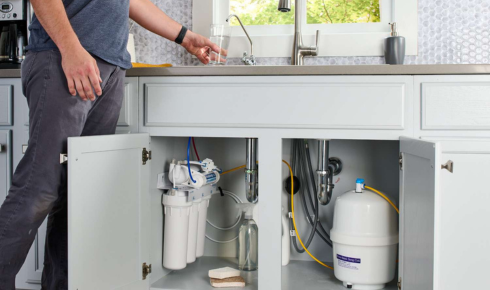
Most of us don’t think about water until something feels off.
Maybe it’s the faint chlorine taste in your morning coffee. Maybe your ice cubes look cloudy. Or maybe you’ve simply started paying more attention to what you put into your body every day. Water, after all, is something we consume constantly — it deserves a second look.
The good news? Improving your water at home isn’t complicated. But it does require understanding your options and matching them to what you actually need.
Why the Kitchen Tap Deserves Attention
We often focus on whole-home upgrades — plumbing, appliances, fixtures — yet the water we drink directly is sometimes overlooked.
That’s where dedicated drinking water systems come in. These systems are designed specifically for the water you consume, not the water you shower in or wash clothes with.
The benefit is precision. Instead of treating every drop entering your home, you focus on the point that matters most: the kitchen sink.
For many households, this targeted approach makes sense. It’s cost-effective, efficient, and directly impacts taste and quality where it counts.
When Taste Is the First Clue
Municipal water is treated to meet safety standards, but chlorine — used for disinfection — often lingers. It’s safe in regulated amounts, but it can alter flavor.
If you’ve ever compared tap water to bottled water side by side, you may have noticed subtle differences.
That’s where under sink filtration becomes a practical solution.
Installed neatly below your kitchen sink, these systems typically use carbon filters to reduce chlorine, sediment, and certain organic compounds. The change isn’t dramatic — it’s refined.
Coffee tastes smoother. Tea feels cleaner. Even plain water feels lighter.
And because the system connects directly to your faucet, it’s convenient. No pitchers to refill. No bulky countertop units.
It’s one of those upgrades that quietly improves daily life.
When You Want to Go Further
For homeowners seeking deeper purification, reverse osmosis systems often enter the conversation.
Unlike basic carbon filters, reverse osmosis (RO) uses a semi-permeable membrane to remove dissolved solids from water. This can include certain heavy metals, nitrates, and other impurities that standard filtration may not fully address.
The result is highly purified water with noticeably reduced mineral content.
Some people love the crisp, almost neutral taste of RO water. Others find it takes a little getting used to. It’s a personal preference.
But from a technical standpoint, RO offers a more comprehensive level of filtration compared to basic carbon systems.
The key is knowing whether your water actually requires that level of treatment.
Testing Before Choosing
It’s tempting to jump straight to installation. But testing your water first can save time and money.
A simple analysis reveals hardness levels, total dissolved solids (TDS), chlorine presence, and potential contaminants.
If chlorine taste is your only concern, a carbon filter may be enough. If TDS levels are high or specific contaminants are detected, reverse osmosis might be justified.
Without testing, you’re guessing. With testing, you’re informed.
And informed decisions tend to work out better.
Installation and Maintenance Realities
Modern systems are more user-friendly than ever.
Under-sink units are compact and often installed within a couple of hours. Filters typically require replacement every six to twelve months, depending on usage and water quality.
Reverse osmosis systems may require periodic membrane changes in addition to pre- and post-filters.
Maintenance isn’t difficult, but it’s essential. Skipping filter changes reduces effectiveness over time.
Set reminders. Keep it simple. Consistency keeps water quality stable.
Environmental and Cost Considerations
Improved tap water quality often reduces reliance on bottled water. That’s less plastic waste and fewer grocery store trips.
Over time, this shift can lead to noticeable savings.
It’s not about eliminating bottled water entirely. It’s about making it optional rather than necessary.
When your tap delivers water you genuinely enjoy drinking, habits naturally change.
Finding the Right Fit
There’s no universal answer when it comes to home water systems.
Some households benefit from basic carbon filtration. Others require more advanced treatment. Some prefer the mineral-rich taste of lightly filtered water, while others enjoy the purity of reverse osmosis.
The right system aligns with your water quality and personal preferences.
Not the trendiest option. Not the most expensive one.
Just the right one.
A Final Thought on Water and Trust
Water is foundational. It touches your health, your cooking, your daily routines.
When you trust what comes out of your tap, you stop thinking about it. You fill your glass without hesitation. You brew coffee without second-guessing.