Admin
Admin
Most businesses don’t think about water—at least not at first.
It’s there, like electricity or internet. You expect it to work, and when it does, it fades into the background. No one sits in a meeting saying, “Let’s talk about our water today.”
Until something goes wrong.
Maybe your equipment starts scaling up faster than expected. Maybe your product quality begins to vary, just slightly, but enough to notice. Or maybe your operational costs creep up in ways that don’t quite make sense.
That’s when water stops being invisible.
The Quiet Role Water Plays in Daily Operations
Whether you’re running a restaurant, a manufacturing unit, a hotel, or even a small office space—water is involved in more processes than you probably realize.
Cleaning, cooling, processing, heating. It touches almost everything.
And when the quality isn’t quite right, the effects can ripple outward. Not dramatically at first, but steadily.
A coffee shop might notice a change in taste. A factory might see reduced efficiency. A hotel might deal with guest complaints about water spots or pressure.
Individually, these issues seem minor. Together, they start to shape the experience you deliver.
Why Businesses Can’t Rely on Guesswork
At home, you might tolerate a little inconvenience.
At work? That’s a different story.
Businesses operate on consistency. Predictability. The ability to deliver the same result, day after day.
And that’s hard to achieve when your water quality is fluctuating or working against you.
This is where commercial water solutions start to make sense—not as an upgrade, but as a necessity.
They’re not about overengineering things. They’re about creating stability in systems that rely on water to function properly.
Hard Water, Real Costs
Let’s talk about something that gets overlooked a lot—hard water.
It doesn’t seem like a big deal at first. A little mineral buildup here, a bit of residue there.
But over time?
It adds up.
Heating elements become less efficient. Pipes narrow due to scale. Equipment needs more frequent maintenance. Energy consumption increases.
And suddenly, what looked like a small issue starts showing up in your operational costs.
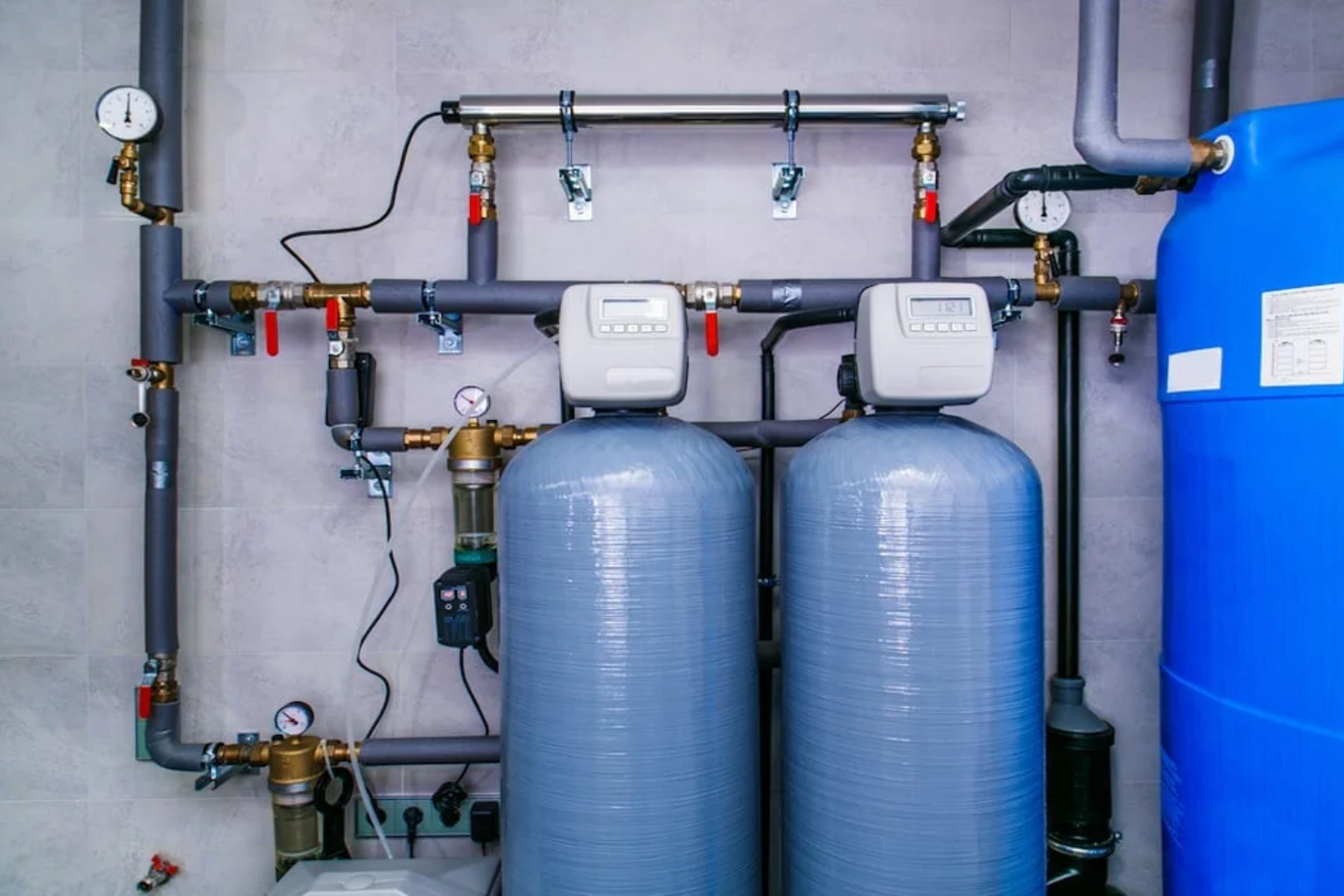
That’s why many businesses turn to commercial water softeners.
Not because they’re trendy or optional, but because they address a problem that quietly eats into efficiency.
When Purity Matters More Than Ever
Some industries need more than just softened water.
They need precision.
Think about pharmaceuticals, food processing, electronics manufacturing—spaces where even small impurities can create big problems.
In these environments, water isn’t just a utility. It’s part of the product, part of the process, part of the outcome.
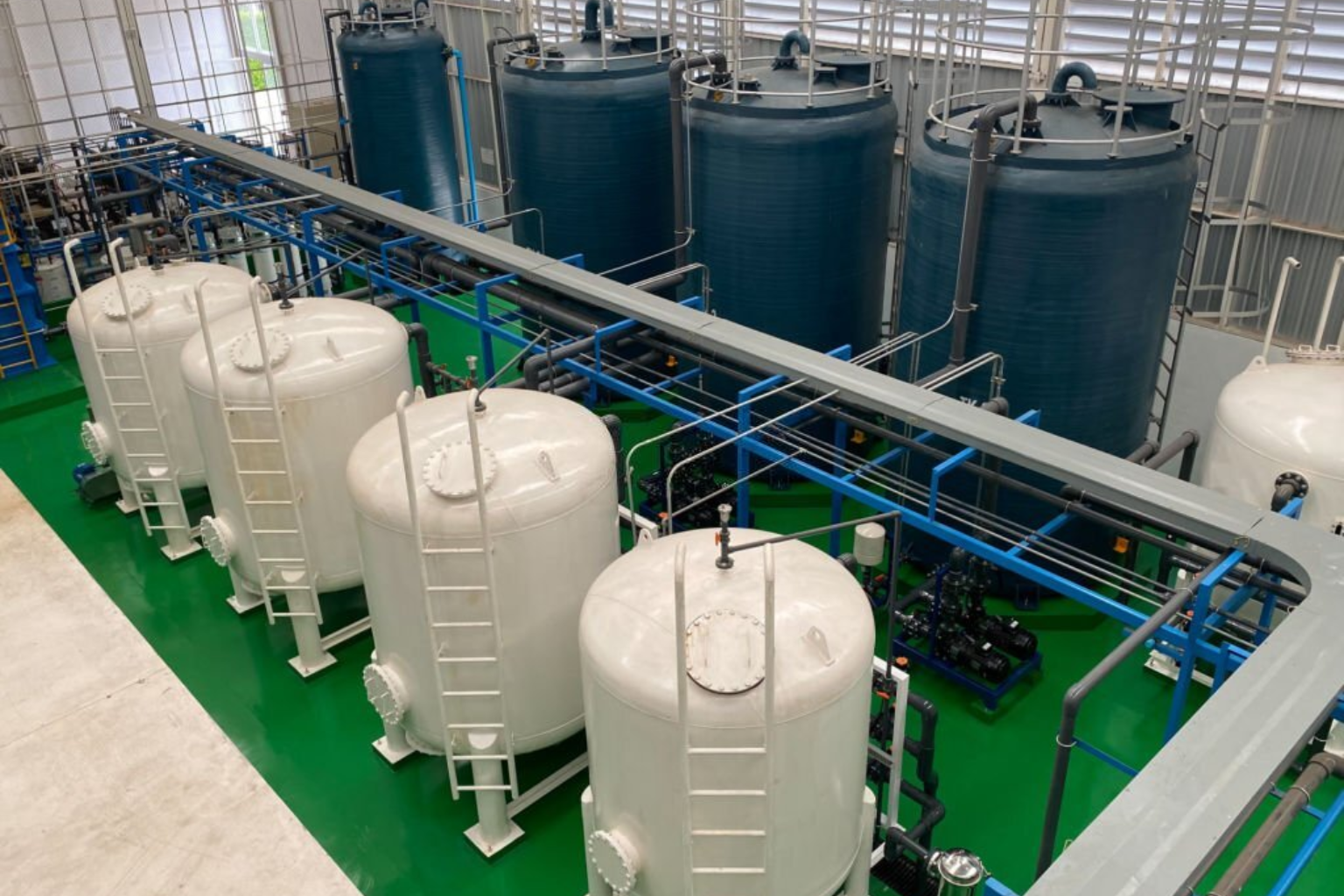
That’s where industrial RO systems come into play.
They strip water down to a much purer state, removing dissolved solids and contaminants that standard systems might leave behind.
And while that level of treatment isn’t necessary for every business, when it is, it’s non-negotiable.
The Balance Between Performance and Practicality
Here’s the tricky part.
Not every business needs the most advanced system available. In fact, overbuilding a water solution can be just as inefficient as underestimating the problem.
The goal isn’t to install the biggest or most complex setup.
It’s to find the right fit.
A system that aligns with your operations, your usage, your goals. Something that improves performance without adding unnecessary complexity.
And that balance usually comes from understanding—not guessing.
It’s Not Just About Equipment
There’s a tendency to focus on the hardware.
Filters, tanks, membranes, valves.
But water treatment is more than just equipment—it’s a process.
Monitoring. Adjusting. Maintaining.
Because water conditions can change. Seasonal shifts, supply variations, even changes in usage patterns can affect how your system performs.
And staying ahead of those changes is what keeps everything running smoothly.
The Hidden Benefits You Notice Later
What’s interesting is that the biggest benefits of better water often show up over time.
Fewer breakdowns. Lower maintenance costs. More consistent output.
Things that don’t make headlines, but make a difference.
Your team spends less time troubleshooting. Your equipment lasts longer. Your processes become more reliable.
And slowly, water goes back to being invisible again.
When Water Stops Being a Problem
That’s really the goal.
Not to think about water more, but to think about it less.
To reach a point where it supports your business quietly, without creating friction or uncertainty.
Where you’re not reacting to issues, but operating with confidence.
A Smarter Way to Look at It
Maybe the shift is this—seeing water not as a fixed resource, but as something that can be optimized.
Something that can be shaped to better serve your business.
Because when water is aligned with your operations, everything else tends to fall into place more easily.
And in business, those small efficiencies?
They add up.
More than we often realize.