Admin
Admin
Let’s be honest—there’s something deeply calming about sitting next to a pond. Whether it’s in your backyard or tucked into a quiet corner of a park, the gentle ripple of water, the flashes of koi, and the swaying lily pads offer a slice of serenity in an otherwise chaotic world. But behind that peaceful surface? There’s a surprisingly complex ecosystem that requires a bit of work to maintain.
And it all starts with one key component: filtration.
The Not-So-Secret Hero of Pond Health
When most people dream up the idea of building a pond—big or small—they usually picture the design, the fish, or maybe even a small waterfall feature. Rarely does anyone daydream about the filtration system. But ask any seasoned pond owner and they’ll tell you: ignore the filter and you’ll be in deep (murky) water.
Water clarity is more than just a cosmetic concern. It’s a sign of health. A pond with clear water is one where the ecosystem is in balance—where waste is managed, algae is kept in check, and fish thrive without stress. That’s why investing in quality pond filters for sale isn’t just smart—it’s essential.
Nature vs. Reality
In a natural body of water like a lake or a river, Mother Nature does the filtering—think layers of sand, aquatic plants, beneficial bacteria, and moving water. But backyard ponds don’t have the same built-in support systems. They’re usually closed, smaller, and packed with more life than they’re naturally designed to support.
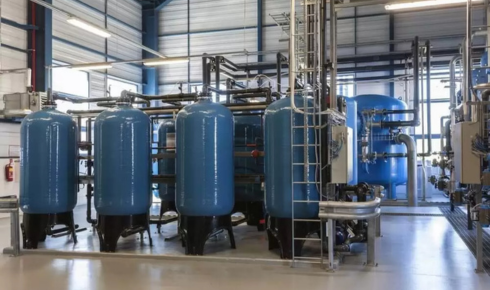
That’s where a solid water pond filter comes into play. It mimics the functions of natural filtration, taking on the hard work of cleaning and cycling the water so you don’t have to.
Types of Pond Filters: Which One’s Right for You?
The world of pond filtration isn’t one-size-fits-all, and that’s actually a good thing. It means you can find a setup that fits your pond’s size, budget, and unique needs. Here’s a quick rundown of the main types:
- Mechanical Filters: These physically remove debris like leaves, sludge, uneaten food, and fish waste. Think of them as your pond’s vacuum.
- Biological Filters: These support colonies of beneficial bacteria that break down toxic ammonia and nitrites from fish waste. It’s like the immune system of your pond.
- UV Clarifiers: A handy addition to prevent those sudden algae blooms that turn your water green overnight. Not technically a filter, but works hand-in-hand with one.
If you’ve got fish, plants, and a decent amount of sun exposure (which encourages algae), chances are you’ll need a combo of all three.
What Happens When You Skip Filtration?
Without a proper pond filtering system, things can go south fast. You’ll likely start noticing cloudy water, an uptick in algae growth, and a smell that can turn your relaxing pond into something far less appealing. Your fish, too, will suffer. Poor water quality stresses them out, weakens their immune systems, and can even be fatal over time.
And no, doing water changes alone won’t solve the issue. It’s like trying to keep a house clean by occasionally sweeping a corner—inefficient and exhausting.
Choosing a Filter System: It’s Not Just About Size
Yes, your pond’s volume matters when choosing a filter, but it’s not the only thing. You also need to think about:
- Fish Load: More fish = more waste. Koi, especially, are beautiful but messy.
- Feeding Habits: Overfeeding leads to uneaten food sitting in the water, which breaks down and creates more sludge.
- Plant Life: While aquatic plants help with filtration, they also contribute organic material that needs to be managed.
So when browsing filter options, consider going slightly above your pond’s actual size. Think of it like buying an air conditioner for your home—you want something that can handle a little extra load during peak times.
Maintenance Isn’t Optional—But It Doesn’t Have to Be a Chore
Let’s bust a myth: having a filter doesn’t mean you never have to clean your pond. It just means you won’t be doing it every week with a bucket and net.
Filters need occasional rinsing and check-ups, especially mechanical ones that collect physical debris. But trust me, a 15-minute filter rinse beats an all-day pond clean-out any day.
Tip: avoid rinsing biological filter media with tap water—it can kill the beneficial bacteria. Instead, use a bit of pond water.
The Aesthetic Bonus
One unexpected perk of having a good filtration system? A clearer, more beautiful pond. When the water’s clean, your fish pop with color, your plants stand out, and everything just looks more vibrant. If you’ve spent time and money designing a stunning pond layout, why let murky water hide your hard work?
A filtered pond isn’t just a healthy one—it’s a visually stunning one too.
Final Thoughts: Let the Filter Do the Heavy Lifting
A pond should be a place of peace, not constant maintenance. With the right filtration system in place, you spend less time worrying and more time enjoying. Whether you’re sipping tea by the water’s edge or showing off your koi to friends, the difference a filter makes is undeniable.
So if you’re thinking about upgrading—or finally installing—that filtration system, don’t wait. There are plenty of pond filters for sale that cater to every size, budget, and pond type. It’s one of those investments you’ll never regret.