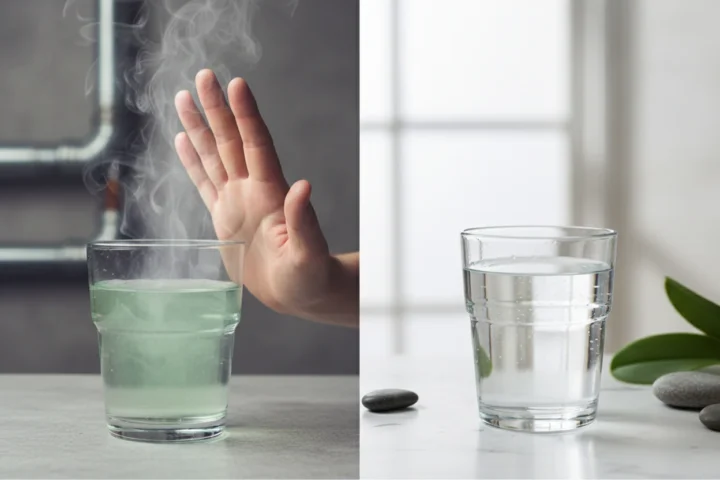
Water is one of those things we rarely think about until something seems off. Perhaps the taste feels different, there’s an unusual smell when filling a glass, or you’re simply becoming more conscious about what your family drinks every day. It’s a small part of daily life, yet water quality matters more than most people realize.
For many households, relying entirely on bottled water isn’t practical. Buying bottles regularly adds expense, takes up storage space, and creates unnecessary plastic waste. Having a dependable source of drinking water in your own kitchen can be a much more convenient solution, provided you choose the right treatment method for your water quality.
Why Drinking Water Quality Deserves Attention
Water supplied to homes may come from municipal treatment facilities, groundwater sources, borewells, or a combination of different supplies. Although these sources may meet basic requirements, the quality of water reaching a household can vary depending on local conditions, distribution pipes, storage tanks, and seasonal changes.
Sometimes the concern is taste or odor. In other situations, homeowners may want to address dissolved solids, sediment, certain chemical contaminants, or microbial risks. These problems aren’t always visible, which is why understanding your water supply is important.
A water test can help identify what needs to be removed. Without knowing the actual issue, it’s easy to purchase a filtration system that looks impressive but doesn’t address the contaminants present in your water.
Understanding Reverse Osmosis Technology
A reverse osmosis water filter is widely used for drinking water treatment because it can reduce many dissolved substances through a specialized membrane. During the filtration process, water is pushed through a semipermeable membrane, allowing water molecules to pass while limiting the movement of many dissolved contaminants.
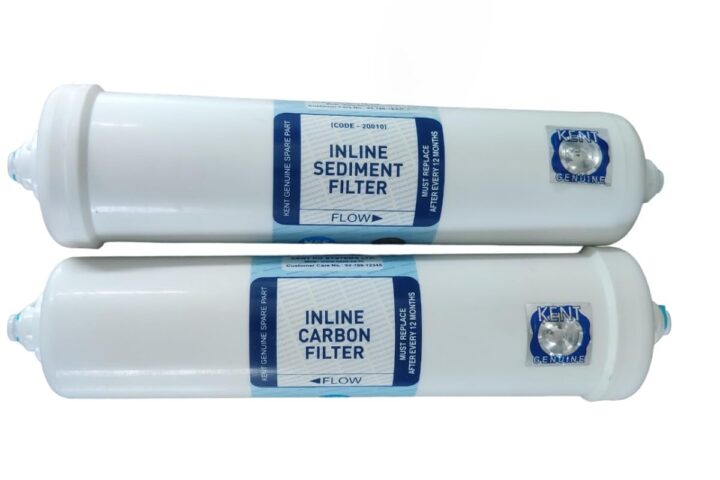
Depending on the system design and water conditions, reverse osmosis can help reduce dissolved salts, certain metals, and other unwanted substances. Many household units also include sediment and carbon filters to improve overall performance and address additional water quality concerns.
However, reverse osmosis isn’t a universal solution for every home. Some water supplies may need only basic filtration, while others require more advanced treatment. Understanding the system’s certified contaminant-reduction capabilities is far more useful than choosing one simply because it has the most features.
The Convenience of Having Clean Water in Your Kitchen
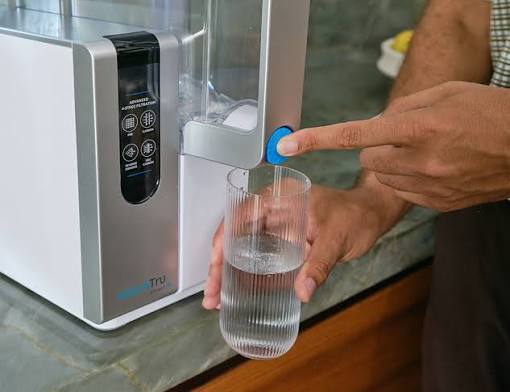
There’s something reassuring about being able to fill a glass whenever you need it without thinking twice. Whether it’s early morning tea, a bottle for work, water for cooking rice, or a quick drink after returning home, a reliable filtration system makes everyday routines simpler.
Access to purified drinking water at home can also reduce dependence on packaged water. Families may find it easier to maintain consistent drinking habits when water is readily available in the kitchen, especially during hot summer days when everyone needs to drink more frequently.
Convenience matters, but so does maintenance. Filters need to be replaced according to the manufacturer’s schedule, and storage tanks should be cleaned when recommended. A neglected system can lose efficiency and may become a source of water quality problems rather than a solution.
Choosing a Water Purifier That Fits Your Needs
Not every household needs the same purification technology. The right system depends on the water source, contamination concerns, daily consumption, available space, and budget.
If your water contains high dissolved solids, reverse osmosis may be worth considering. For water with chlorine-related taste or odor concerns, activated carbon filtration may be useful. Sediment filters can help remove suspended particles, while UV treatment is designed to inactivate microorganisms under appropriate conditions.
When comparing products, look beyond the advertised stages of filtration. A system with multiple stages isn’t automatically better than a simpler unit. Check its contaminant reduction claims, certifications, water recovery, maintenance costs, replacement filter availability, and whether it suits your source water.
It’s also worth considering how much water the system wastes during operation. Different RO systems have different recovery rates, so this can make a difference in households where water conservation is important.
What Proper Maintenance Really Means
Installing a purifier is only the beginning. Filters gradually collect particles or become less effective, and membranes can lose performance over time. Ignoring replacement schedules may affect water flow, taste, and the system’s ability to reduce contaminants.
Routine maintenance doesn’t have to be complicated. Keep track of filter replacement dates, follow the manufacturer’s cleaning instructions, and have the system inspected if you notice unusual odors, leaking, reduced flow, or sudden changes in taste.
If the purifier has a storage tank, don’t overlook it. Proper tank hygiene is an important part of maintaining drinking water quality, particularly when water sits unused for extended periods.
Making a Thoughtful Investment in Water Quality
Effective home drinking water purification begins with knowing what’s in your water, not guessing. A reliable test, a suitable filtration technology, and regular maintenance can work together to create a practical solution for your household.
Clean drinking water isn’t about chasing the latest appliance or complicated technology. It’s about making a sensible choice that fits your home and continues to perform well over time.
When water tastes fresh, is readily available, and doesn’t require constant trips to the store, the difference becomes part of everyday life. It’s a simple improvement, really, but one that brings comfort to something your family depends on every single day.