Water is one of those things we rarely think about until it starts behaving differently. Maybe your morning coffee tastes a little strange, white marks keep appearing around the kitchen faucet, or the kettle develops a chalky coating that never seems to go away. These small annoyances can make you question the quality of the water flowing through your home.
The answer isn’t always as simple as buying a filter. Water can contain naturally occurring minerals, treatment chemicals, sediment, and other substances that affect its taste, appearance, or suitability for different uses. Understanding what’s happening is the first step toward choosing a practical solution that works for your household.
Why Water Quality Can Vary From Home to Home
Even homes in the same neighbourhood can experience different water issues. The source of the supply, local geology, plumbing materials, and existing treatment methods all influence the water that eventually reaches the tap. Municipal supplies are generally treated and monitored, while private wells may require more frequent testing because their quality can change with weather, land use, and groundwater conditions.
Some problems are easy to spot. Hard water may leave mineral deposits on showerheads and glassware, while iron can contribute to reddish-brown stains. Other concerns are less obvious. Water can look perfectly clear while still containing substances that require specific testing to identify.
That is why relying on appearance alone isn’t enough. If the taste, colour, or smell changes suddenly, contact your water supplier or a qualified professional to investigate the cause. A treatment system should address an identified problem, not simply offer reassurance through an impressive-looking design.
When Taste and Odour Become a Daily Frustration
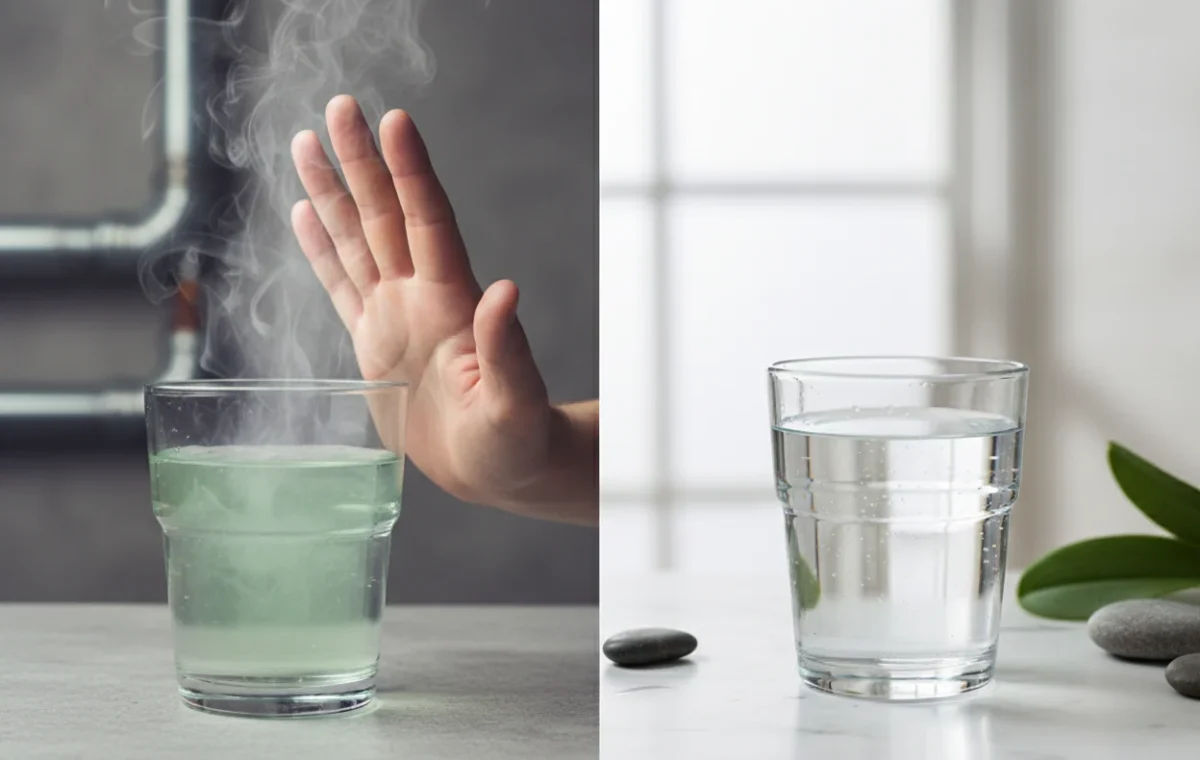
Few things are more disappointing than pouring a fresh glass of water and noticing an unpleasant aftertaste. Sometimes the cause is chlorine, which is commonly used to disinfect municipal water supplies. Although chlorine plays an important role in controlling harmful microorganisms, some people notice its smell or taste more than others.
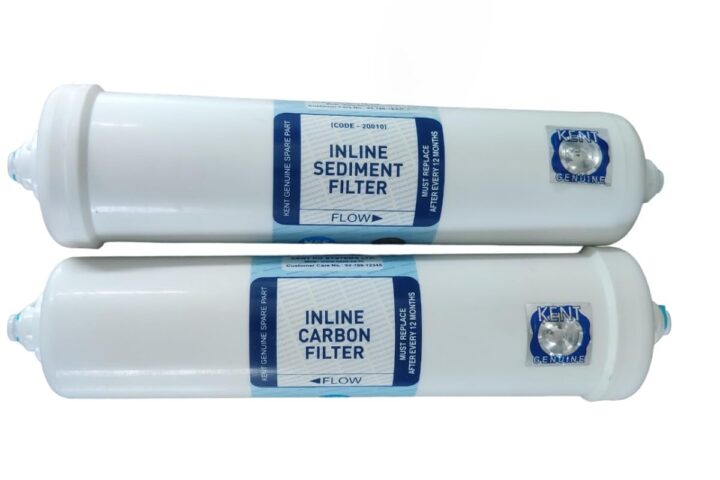
In these situations, chlorine taste and odor may be reduced by an appropriately selected activated carbon filter. Carbon filtration can improve the sensory qualities of water by adsorbing certain compounds, but its effectiveness depends on the filter design, contact time, and replacement schedule. Not every carbon filter performs equally, so check the manufacturer’s specifications before choosing one.
The source of an unusual smell matters, too. A persistent rotten-egg odour, for example, can have several causes and shouldn’t automatically be blamed on chlorine. If the problem appears suddenly or affects multiple taps, investigate before installing equipment. Treating the wrong issue can waste both time and money.
Understanding Dissolved Minerals and Other Substances
Water naturally dissolves materials as it moves through soil and rock. Calcium and magnesium contribute to hardness, while other minerals and salts can influence taste and the amount of residue left behind. These substances aren’t necessarily dangerous at ordinary levels, but their concentration can affect how water behaves in everyday household tasks.
The term dissolved solids refers to substances present in water in dissolved form, including various minerals and salts. A total dissolved solids (TDS) meter can provide a general measurement of their combined concentration. However, it cannot tell you exactly which substances are present or whether the water is safe to drink. Two samples with similar TDS readings may have very different chemical compositions.
If hardness is the main concern, a conventional water softener may help by exchanging calcium and magnesium ions for other ions, commonly sodium. If the issue involves particular dissolved substances, a properly certified reverse osmosis system may be worth considering. The appropriate choice depends on test results and the contaminants the equipment is designed to reduce.
It’s also worth remembering that softer water and purer drinking water are not the same thing. A softener mainly addresses hardness; it isn’t a universal filtration or disinfection solution.
Why Water Testing Should Come Before Treatment
A water test helps turn vague concerns into information you can use. For municipal water, begin by reviewing the supplier’s latest water-quality report. If you’re using a private well, follow local guidance on testing frequency and the substances relevant to your area.
The right test depends on what you’re trying to find out. A basic hardness test can help assess mineral-related issues, while health-related concerns may require specific testing for bacteria, lead, nitrates, or other substances. For reliable results, use an appropriate method and consider a certified laboratory when necessary.
Testing is especially important when you suspect harmful contaminants may be present. Taste, smell, and colour cannot reliably reveal all potential health risks. If a test identifies a concern, follow the advice of your local health department or water authority and choose a treatment method verified for that specific substance. Don’t assume a general-purpose filter will address every problem.
Be cautious of sales demonstrations that present a single basic reading as proof that your water is dangerous. Ask what was measured, how the sample was tested, and whether you’ll receive the results in writing. Good information should help you make a decision, not pressure you into buying equipment immediately.
Choosing a System That Fits Your Household
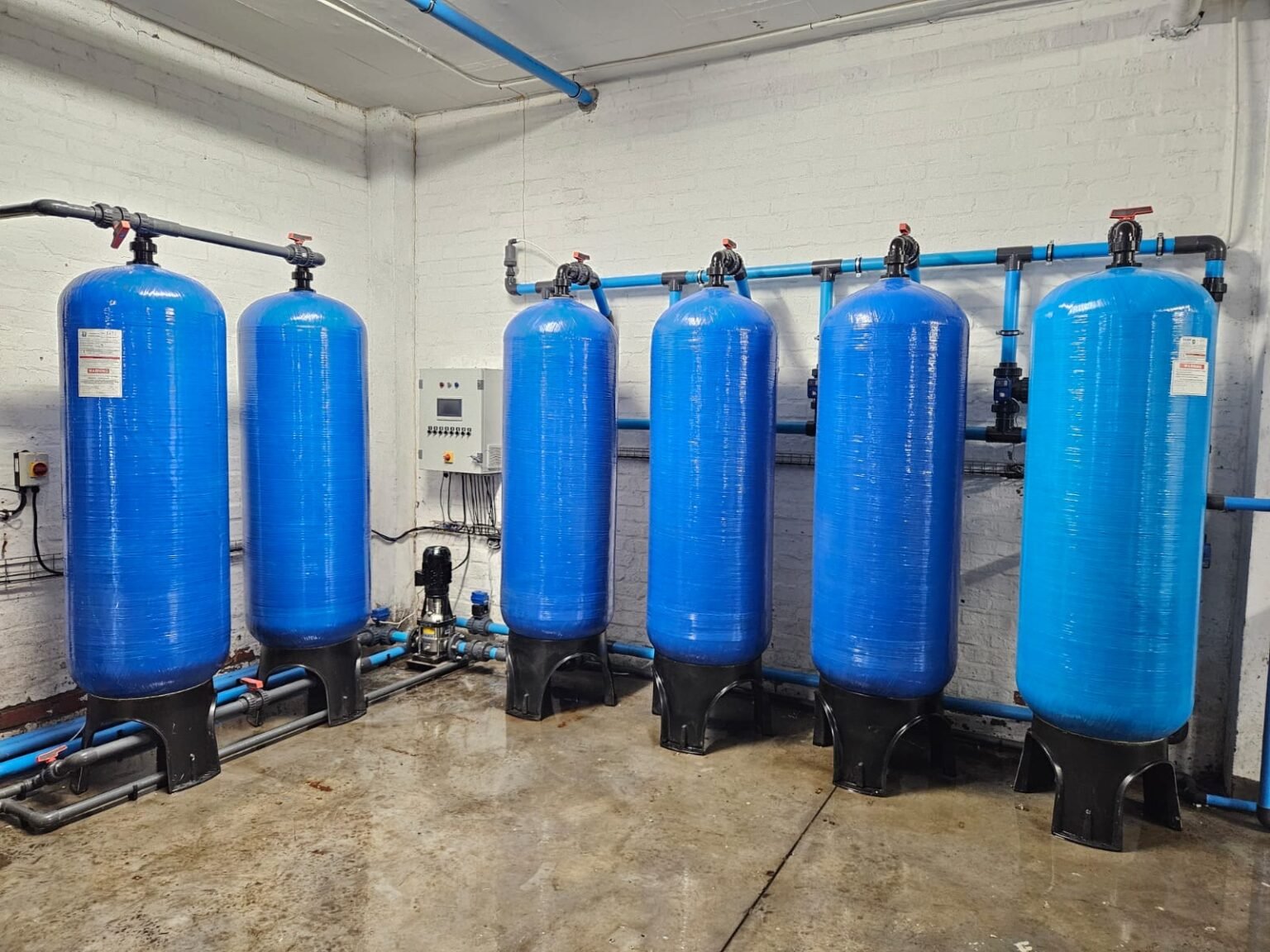
Once you understand your water, compare systems according to their purpose. Sediment filters capture particles, activated carbon can reduce certain tastes and odours, softeners address hardness, and reverse osmosis systems reduce many dissolved substances when properly selected. Each technology has its own limitations.
Think about where you need treatment. A filter installed beneath the kitchen sink may be sufficient if your main concern is drinking and cooking water. If scale affects multiple bathrooms and appliances, whole-house treatment may deserve consideration. Household size, water pressure, installation space, and daily demand should all influence the final choice.
Don’t overlook ongoing costs. Filters and membranes need replacement, softeners require routine attention, and some systems use electricity or produce wastewater. Ask about maintenance intervals, replacement-part availability, installation requirements, and independently verified performance claims before committing.
Keep Your Water Treatment Working Properly
Installation is only the beginning. Follow the manufacturer’s maintenance schedule, replace cartridges on time, and keep a record of service dates and water-test results. If the taste changes again, pressure drops, or staining returns, investigate rather than assuming the system has failed for a single obvious reason.
Water conditions can change, especially when a well is affected by flooding or repairs. Even in a home connected to a municipal supply, plumbing changes may influence the water reaching individual taps. Periodic checks help you recognise when further testing or servicing may be needed.
Make a Confident Choice for Better Water
Good water treatment starts with curiosity and reliable information, not guesswork. Notice what’s happening around your home, test the water when appropriate, and choose equipment that addresses the actual concern. A larger or more expensive system isn’t automatically a better fit.
With a little research and regular maintenance, you can improve water’s taste, reduce troublesome mineral buildup, and make more informed decisions about your household supply. The goal is simple: water that suits your everyday needs, supported by a treatment system you understand and can maintain with confidence.