Water is so woven into daily life that we rarely stop to question it. We drink it before work, use it to cook dinner, wash clothes with it, and stand under it in the shower when the day has been a bit much. Most of the time, it simply works.
But then the little signs begin.
A white ring appears around the faucet. Glassware comes out of the dishwasher looking cloudy. The water tastes slightly different, or there’s an odd smell when the tap first turns on. These things may seem minor, but they can be clues that your home’s water deserves a closer look.
Understanding what’s actually in your water is the first step toward making a sensible treatment decision. You don’t necessarily need the most expensive system on the market. You need the right one for your particular situation.
Why Water Quality Isn’t the Same Everywhere
Two homes can be just a few streets apart and still experience noticeably different water characteristics. The source of the water, local geology, treatment practices, plumbing, and even the age of the property’s infrastructure can all play a part.
That’s why water quality is better understood as something specific to a property rather than a universal label.
Hard water is a common example. Calcium and magnesium dissolved in water can eventually create scale on faucets, showerheads, and appliances. Chlorine can affect taste and odor, while iron may leave reddish or orange stains.
Some concerns are obvious. Others aren’t visible at all.
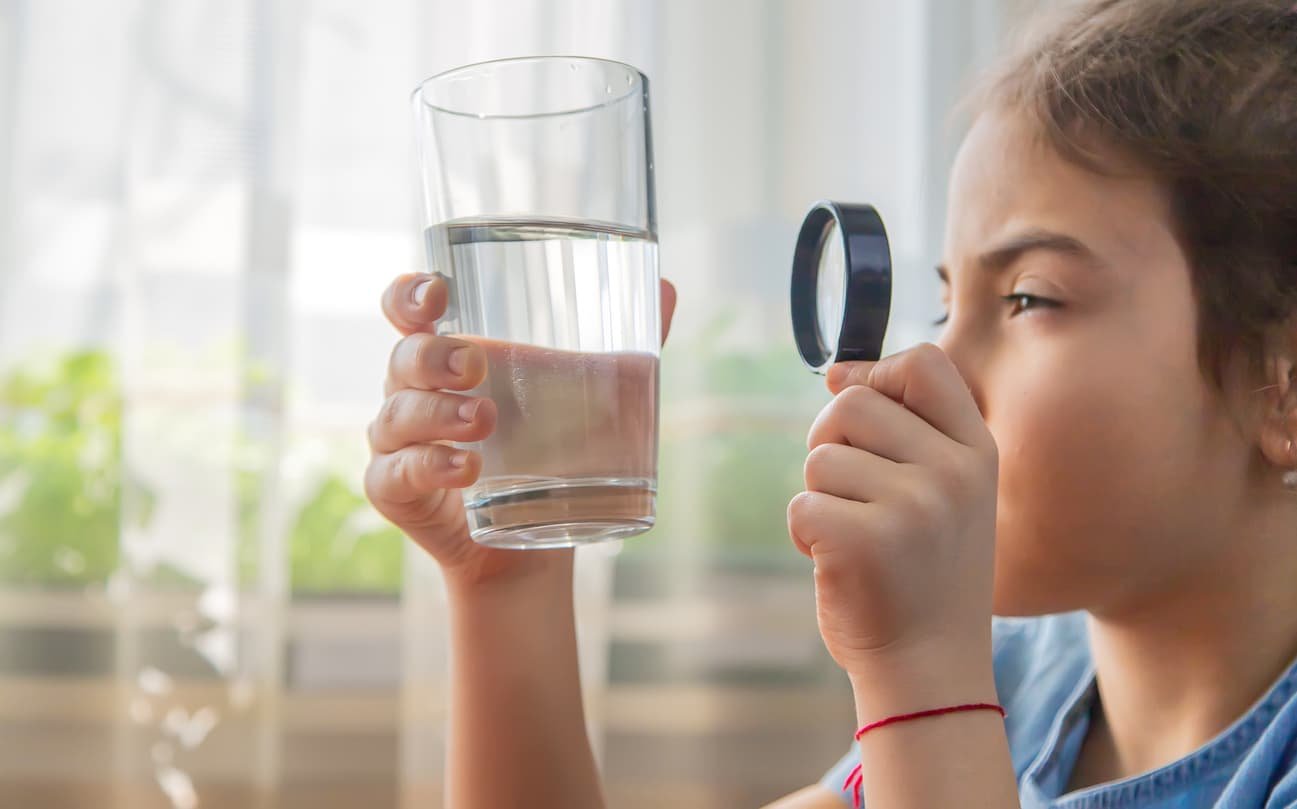
A glass of perfectly clear water doesn’t necessarily tell you everything that’s happening inside it.
Testing Is a Better Starting Point Than Guessing
When people notice a water problem, it’s natural to start shopping immediately. Search online for “best water filter” and you’ll find hundreds of options, each promising something slightly different.
But buying first and investigating later can be an expensive way to approach water treatment.
A free water test offered by a reputable provider can be a useful starting point for identifying common characteristics such as hardness, pH, chlorine, iron, or other factors. The exact scope of testing varies, so it’s worth asking what the test actually measures.
If you’re using private well water or have a specific contamination concern, a more comprehensive laboratory analysis may be appropriate.
The important thing is to get information before choosing equipment. A test can turn “something seems wrong with my water” into a much clearer picture of what’s really happening.
Hard Water Leaves More Than a Bad Impression
Hard water tends to make itself known slowly.
At first, you might see a few spots on your glasses. Then the showerhead develops a chalky coating. Eventually, you’re wiping mineral deposits from faucets every few days and wondering why cleaning never seems to end.
This mineral buildup is mainly associated with calcium and magnesium. As water evaporates or is heated, these minerals can precipitate and form scale on surfaces and inside equipment.
Water heaters can be especially affected because heating water encourages scale formation. Over time, deposits may interfere with heat transfer and contribute to maintenance issues.
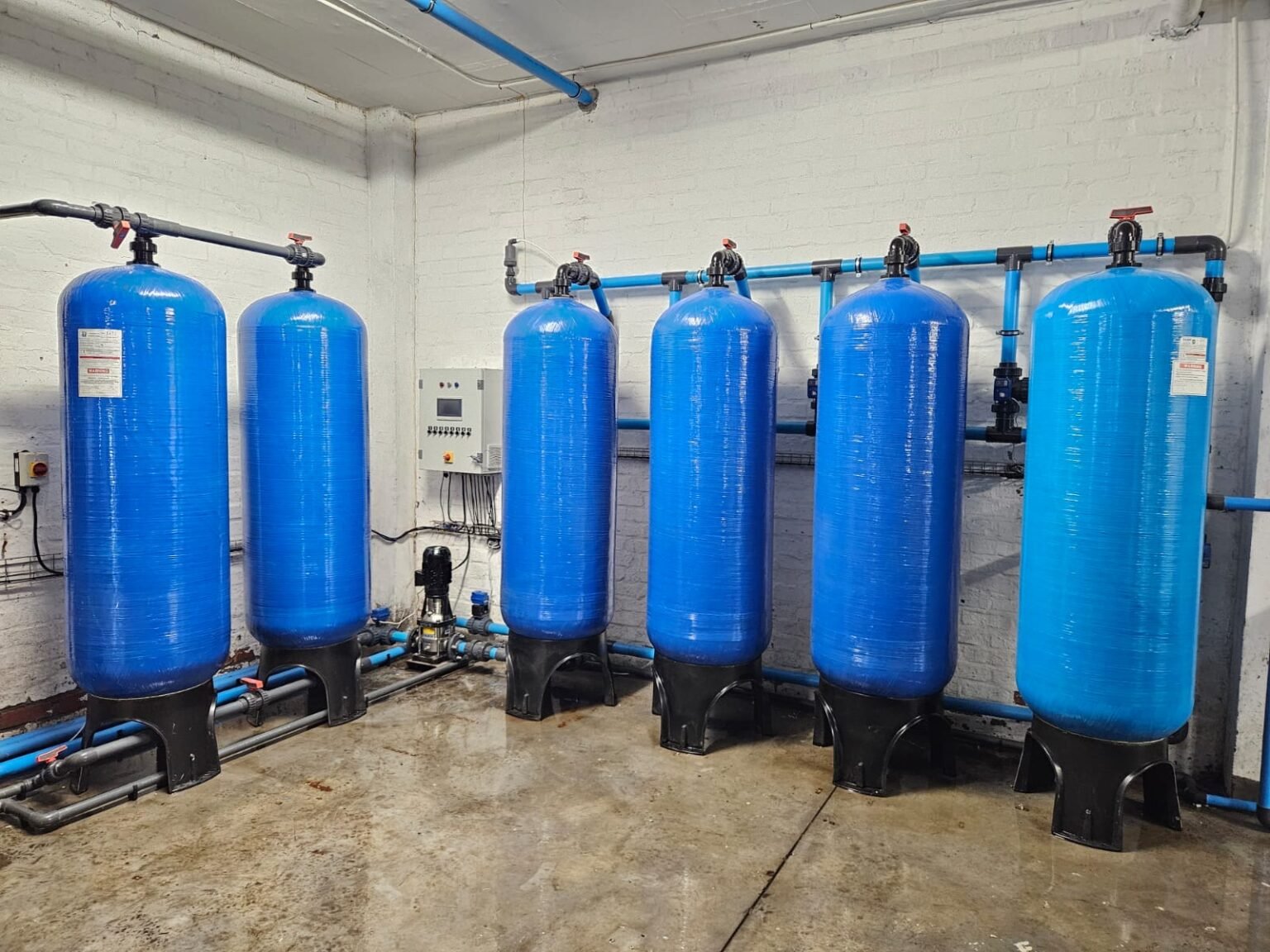
A water softener can help when hardness is the primary concern. Traditional softeners use ion exchange to reduce calcium and magnesium before the water travels through the household plumbing.
Still, it’s important to remember that softening and filtration are different things.
Not Every Filter Does the Same Job
“Water filter” sounds like one simple category, but it actually covers many different technologies.
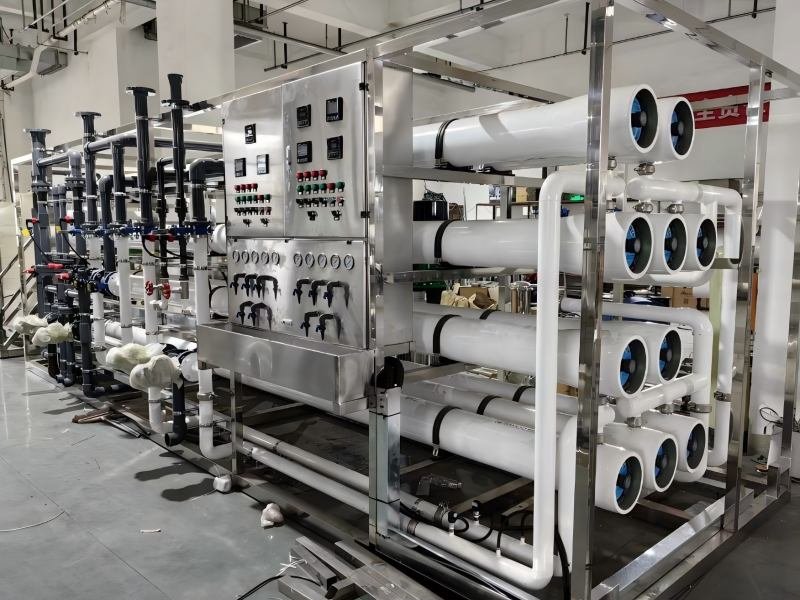
Sediment filters are designed to capture suspended particles. Activated carbon is commonly used to reduce chlorine taste and odor. Reverse osmosis systems can reduce many dissolved substances from drinking water.
A water softener, meanwhile, isn’t really a filter in the traditional sense. Its primary job is reducing hardness minerals.
This distinction matters when choosing equipment.
If your main complaint is white scale, a carbon filter probably isn’t going to solve it. If your water tastes strongly of chlorine, installing a softener may not address the taste.
The right technology depends on the actual problem.
Think About Where the Problem Happens
Another useful question is whether the concern affects one faucet or the entire property.
If you’re mainly interested in improving drinking and cooking water, an under-sink filter can be a practical choice. It treats water at the point where you use it most.
But if scale is appearing throughout the bathrooms, laundry room, kitchen, and water heater, point-of-use treatment isn’t likely to solve the bigger issue.
A whole-home system treats water as it enters the property, which can be useful when the concern is widespread.
There’s no reason to treat every gallon of water if you only want to improve what’s coming from the kitchen tap. On the other hand, treating just one faucet won’t protect the rest of your plumbing from hard water.
Private Wells Need Special Attention
If your property uses a private well, understanding your water becomes even more important.
Well water can be influenced by groundwater conditions, local geology, rainfall, nearby land use, and the condition of the well itself. The water may contain hardness, iron, manganese, sulfur compounds, sediment, or microbiological concerns depending on the location.
Regular testing can help identify changes before they become major headaches.
If well water suddenly develops a new smell, color, or taste, don’t simply install the first filter you find. Investigate the cause.
Different problems require different treatment methods, and the wrong equipment can leave you spending money without actually solving the issue.
Maintenance Keeps Treatment Systems Working
Installing treatment equipment isn’t the end of the process.
Filters need replacement. Softener systems need salt or other servicing. Reverse osmosis membranes eventually need changing. Some systems require periodic cleaning or professional inspection.
Ignoring these tasks can reduce performance and make a good system appear ineffective.
A simple maintenance calendar can help. Keep track of when filters were installed and replaced, when the system was serviced, and whether you’ve noticed changes in taste, pressure, or appearance.
It doesn’t need to become a major household project. A few reminders on your phone can do the job.
Look Beyond the Initial Purchase Price
When comparing treatment systems, don’t focus entirely on the upfront cost.
Consider installation, replacement filters, salt usage, electricity, service calls, warranties, and expected equipment life.
A system that costs less initially might require more frequent maintenance. Another system may cost more but provide better efficiency or easier servicing over time.
The best choice is usually the one that makes financial sense over several years, not just the one with the lowest price tag today.
Better Water Starts With Better Information
Good water treatment isn’t about buying the biggest system or collecting the most filtration stages. It’s about understanding your water and addressing the concerns that actually matter.
Start with testing. Pay attention to changes in taste, odor, staining, or scale. Consider how water is used throughout your property, and choose treatment equipment according to those needs.
Sometimes the solution will be surprisingly simple. A single drinking-water filter may be enough. Other homes may benefit from softening, whole-home filtration, or a combination of technologies.
The goal is straightforward: water that feels better to use, equipment that’s properly protected, and a system you can realistically maintain.
After all, the best water treatment isn’t the one you talk about every day. It’s the one that quietly works in the background while you get on with everything else.