Water is one of those things we rarely think about until something goes wrong. A strange smell from the tap, cloudy water in a glass, stubborn scale around faucets, or a noticeable change in taste can quickly turn an everyday necessity into a concern. The good news is that modern water treatment systems can address many of these problems, but choosing the right solution starts with understanding what’s actually in your water.
Not every household has the same water quality issues. The best treatment approach depends on the source, the contaminants present, the size of the property, and how the water is going to be used. A solution that works beautifully for one home may be completely unnecessary for another.
Start by Understanding Your Water Source
Before buying any filtration or treatment equipment, it’s worth finding out where your water comes from. In many rural and suburban areas, well water is a common source. It can contain naturally occurring minerals such as iron, manganese, calcium, and magnesium. Depending on the location and condition of the well, it may also have sediment or other contaminants that affect taste, appearance, or safety.
Private wells aren’t treated by a municipal utility, so homeowners are generally responsible for testing and maintaining their water supply. That makes regular water testing especially important. You don’t want to guess at the problem and end up installing a system that treats the wrong thing.
A professional water analysis can reveal details that aren’t obvious from taste or appearance alone. Sometimes water looks perfectly clear but still contains unwanted substances. Other times, the problem is simply hardness or sediment rather than something more serious.
What About City Water?
Homes connected to a public supply receive water that has already gone through treatment before reaching the property. Municipal water is typically disinfected and monitored according to local regulations, which provides an important layer of protection.
Still, treated city water doesn’t necessarily mean everyone will love the water coming from their kitchen faucet. Chlorine or chloramine used during disinfection can influence taste and odor. Aging pipes may also contribute to sediment or certain metals, especially in older buildings.
This is where point-of-use filtration can be useful. A carbon filter under the kitchen sink, for example, may improve taste and reduce certain unwanted substances without requiring a treatment system for the entire property.
For people who want cleaner water throughout the house, whole-home filtration can be another option. The right choice depends on the water analysis and what you’re hoping to accomplish.
Hard Water Is a Different Kind of Problem
Hard water is one of the most common water-quality complaints, and it can be frustrating in surprisingly practical ways.
Calcium and magnesium are the primary minerals responsible for hardness. They’re not necessarily dangerous at typical levels, but they can leave scale on showerheads, faucets, glassware, and appliances. Over time, that buildup can reduce the efficiency and lifespan of water-using equipment.
You may notice other clues, too. Soap doesn’t seem to rinse properly. Laundry feels stiff after washing. The shower looks clean one day and covered in white spots the next.
A water softener can help by reducing hardness before the water reaches household fixtures and appliances. But again, testing matters. There’s little reason to install a large softening system if hardness isn’t actually a significant issue.
Filtration and Softening Aren’t the Same Thing
These terms are sometimes used interchangeably, but they solve different problems.
A water filter is designed to remove or reduce specific contaminants, depending on its technology. Activated carbon, for instance, is commonly used to improve taste and reduce chlorine and certain organic compounds. Sediment filters are useful for particles such as sand, rust, and dirt.
A water softener, meanwhile, is primarily designed to address hardness minerals. It isn’t a universal filter and shouldn’t be treated as one.
There are also specialized systems designed for concerns such as iron, sulfur odors, fluoride, or certain heavy metals. Reverse osmosis systems can provide highly treated drinking water at a particular faucet, while whole-house systems focus on water entering the property.
Understanding these differences helps prevent a common mistake: purchasing an expensive system simply because it sounds advanced.
Commercial Properties Have Bigger Demands
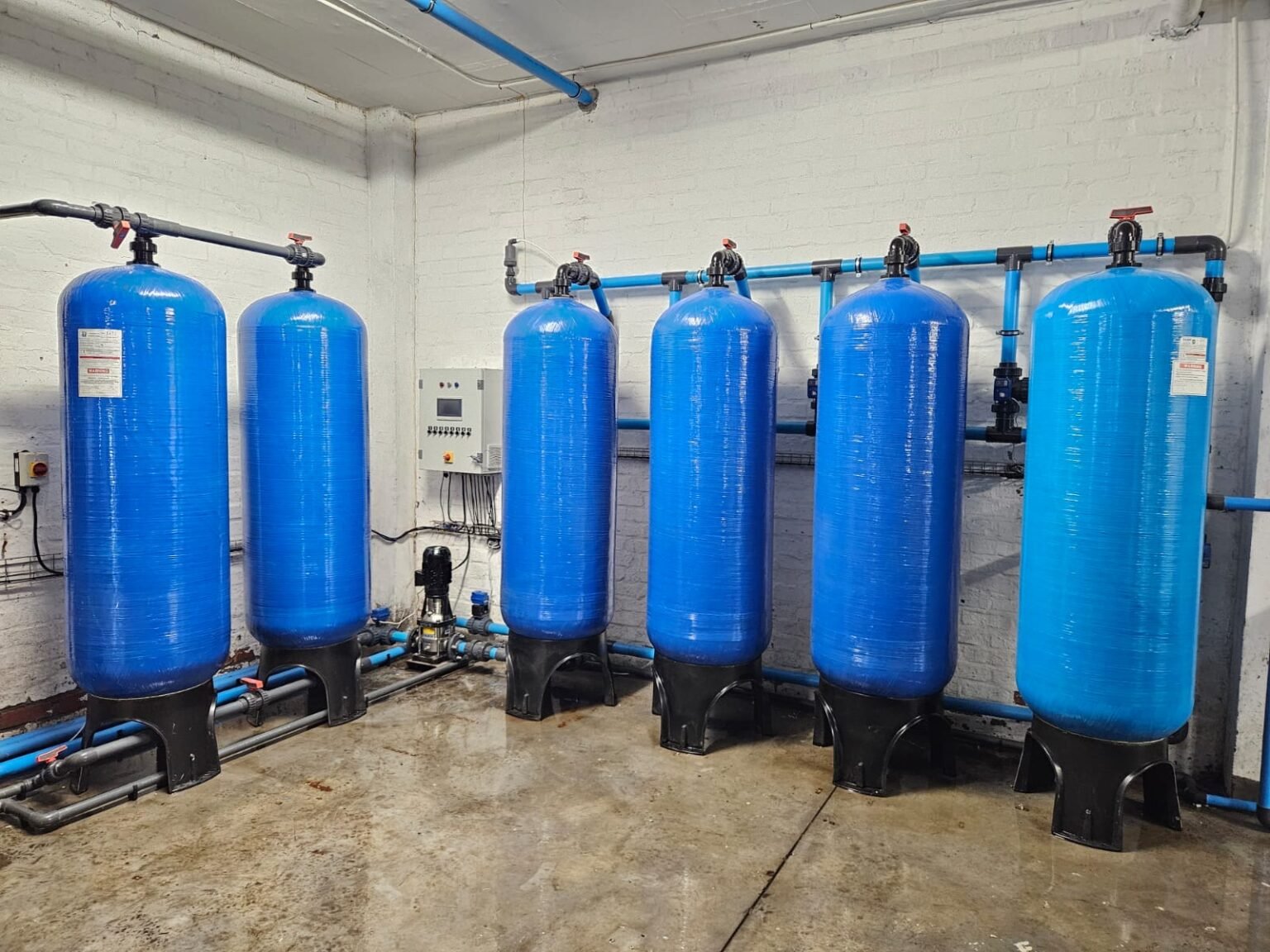
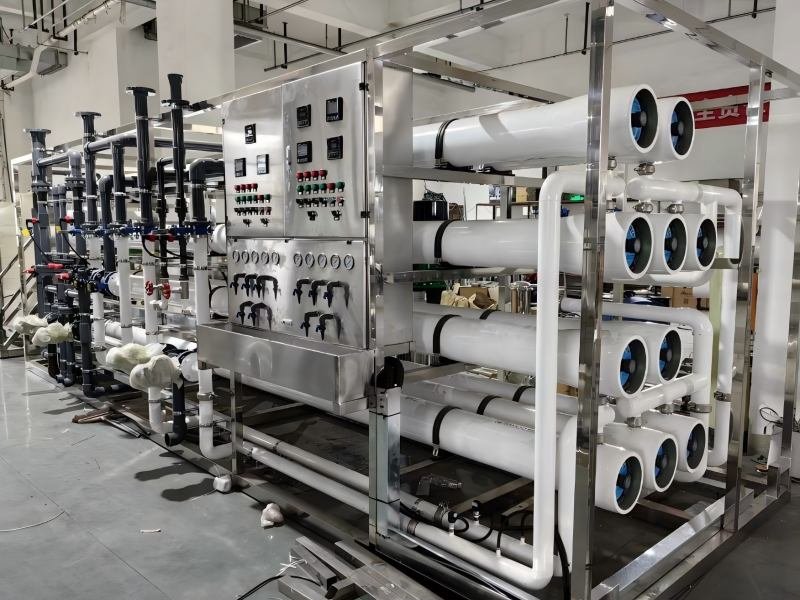
Water treatment becomes more complicated when you’re dealing with a restaurant, hotel, manufacturing facility, office building, healthcare operation, or other commercial property. Water consumption is higher, equipment is often more sensitive, and downtime can become expensive very quickly.
Businesses may need treatment for process water, boilers, cooling systems, drinking water, or general facility use. A restaurant, for example, may care deeply about scale because it can affect dishwashers, coffee equipment, ice machines, and plumbing.
There are many major commercial water treatment brands offering equipment for different applications, but brand recognition shouldn’t be the only factor in a purchasing decision. System capacity, water chemistry, maintenance requirements, replacement parts, installation support, and long-term operating costs all matter.
A good commercial treatment provider should look at the entire operation rather than simply recommending the biggest or most expensive system available.
Maintenance Matters More Than Most People Realize
Even a well-designed treatment system needs attention. Filters eventually become saturated. Softener components need servicing. Membranes in reverse osmosis systems require replacement, and tanks or valves may need periodic inspection.
Skipping maintenance can reduce performance and, in some cases, create new water-quality problems. A neglected filter isn’t doing anyone much good.
It’s smart to keep a simple record of filter changes, professional inspections, and water testing. It doesn’t need to be complicated. A note on your phone or a calendar reminder can be enough.
For businesses, scheduled preventive maintenance is even more important because a small issue can quickly become an operational headache.
Don’t Choose a System Based on Price Alone
Water treatment is one of those purchases where the cheapest option isn’t always the most economical. A low-cost system may have inexpensive upfront pricing but require frequent filter replacements, complicated maintenance, or early replacement.
On the other hand, the most expensive equipment isn’t automatically the best choice either.
Look at the complete picture: installation, capacity, water usage, replacement components, service availability, warranty coverage, and expected operating costs. Ask questions about what the system actually removes and whether those claims are supported by testing or certification.
Most importantly, start with your water rather than starting with a product.
A Smarter Way to Approach Water Treatment
Good water treatment isn’t about making water “as filtered as possible.” It’s about identifying a real problem and choosing technology that addresses it efficiently.
Begin with a reliable water test. Identify whether the main concern is hardness, sediment, chlorine, odor, metals, or another contaminant. Then consider whether you need treatment at one faucet, throughout the home, or across a commercial facility.
That approach saves money, reduces unnecessary equipment, and usually produces better results.
At the end of the day, clean, pleasant water should make life easier—not become another complicated household project. With proper testing, the right equipment, and a little ongoing maintenance, a water treatment system can quietly do its job for years. And honestly, that’s probably the best sign that you chose well.