Water rarely gets a place in the spotlight when a business is running smoothly. It arrives through the pipes, fills glasses, cleans equipment, supports employees, and quietly handles dozens of daily jobs. But when something changes—a strange taste, mineral deposits, low pressure, or equipment problems—water suddenly becomes impossible to ignore.
For businesses, water quality isn’t only about drinking water. It can influence maintenance, customer experience, equipment performance, operating costs, and even how smoothly a busy day runs.
The good news is that managing commercial water doesn’t have to be complicated. Start with the basics: understand the water, understand how the facility uses it, and choose treatment equipment that fits those conditions.
Why Consistent Water Quality Matters
A business may use water in many different ways, depending on its industry. Offices need water for kitchens and restrooms. Restaurants use it for cooking, cleaning, beverages, and dishwashing. Hotels depend on it for guest rooms and laundry. Manufacturing facilities may use water as part of specific processes.
In all of these situations, consistent water quality can make daily operations more predictable.
Changes in hardness, sediment, chlorine, iron, or other water characteristics can affect how water behaves throughout a facility. A small issue in one location may become a larger maintenance concern when hundreds of gallons are used every day.
That’s why testing is a useful starting point.
Begin With Water Testing
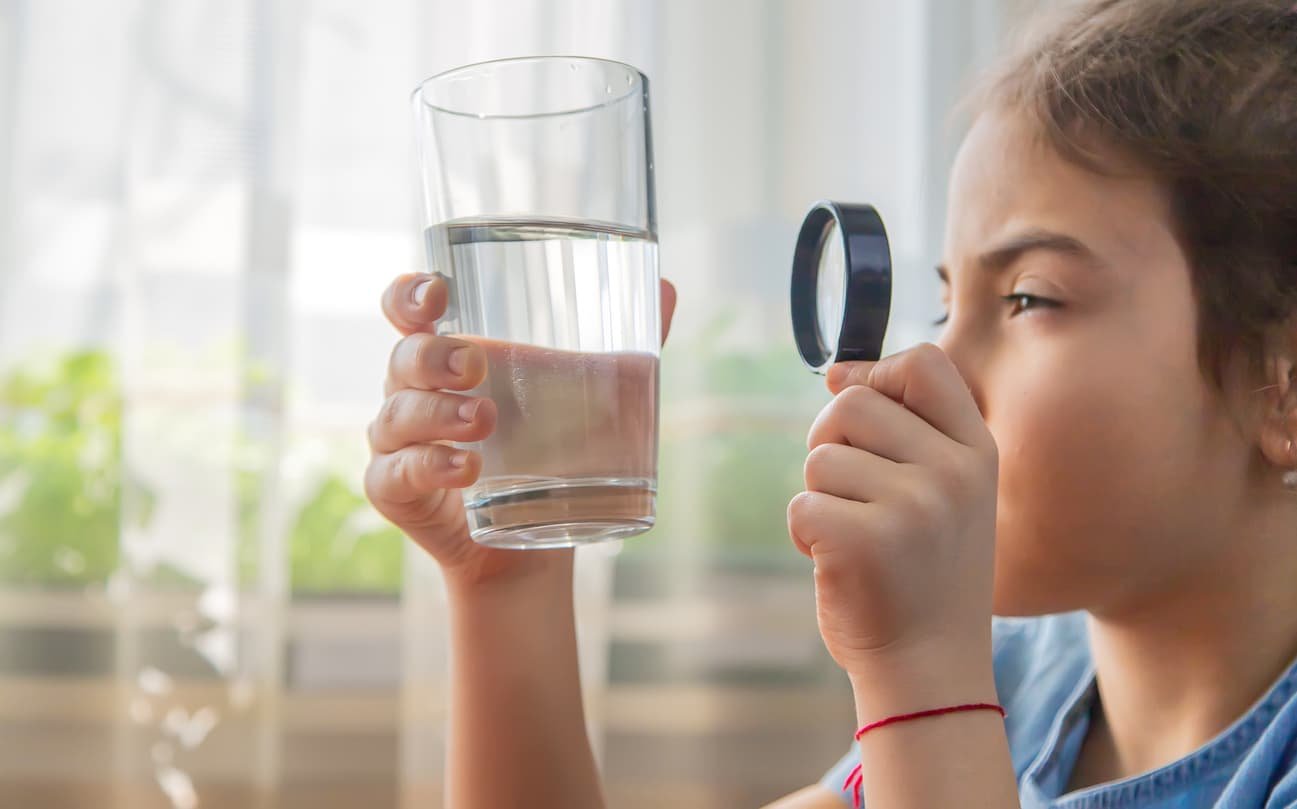
Before purchasing treatment equipment, businesses should understand what’s actually in their water.
Testing can evaluate characteristics such as hardness, pH, chlorine, iron, sediment, and total dissolved solids, depending on the type of test being performed. More specialized testing may be appropriate when a particular contaminant is suspected.
This information helps determine what kind of treatment is actually necessary.
For example, a business dealing with hard water may need softening. A facility concerned primarily with chlorine taste and odor might benefit from activated carbon filtration. A specific contaminant could require a specialized treatment approach.
Guessing is rarely a good investment strategy.
Hard Water Can Create Hidden Costs
Hard water contains dissolved calcium and magnesium. These minerals can form scale on fixtures and inside equipment, particularly where water is heated or allowed to evaporate.
In a commercial environment, that can become expensive over time.
Water heaters, dishwashers, coffee machines, boilers, ice makers, and other water-using equipment may all be affected by mineral deposits, depending on the equipment and water conditions.
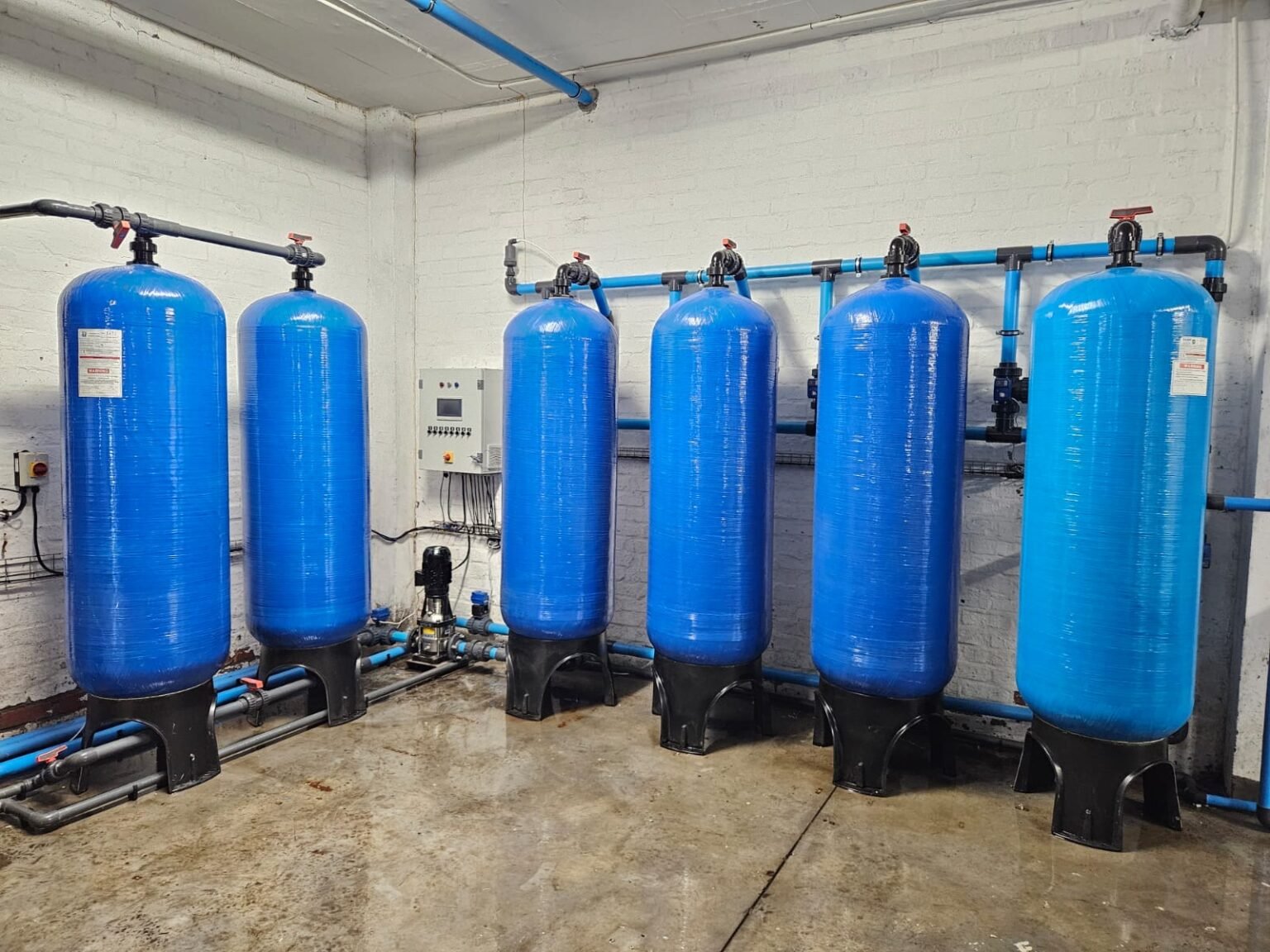
A suitable softening system can help reduce hardness and limit certain types of scale. However, the right system depends on water hardness, usage, flow requirements, and other factors.
Protecting Valuable Equipment
Commercial equipment represents a serious investment for many businesses. Naturally, owners want to protect equipment and keep it operating properly for as long as possible.
Water treatment can play a supporting role.
Reducing hardness, controlling sediment, or addressing certain water-quality issues may help lower some maintenance demands. But treatment should never be treated as a substitute for regular servicing.
Equipment still needs cleaning, inspections, descaling when appropriate, and manufacturer-recommended maintenance.
Think of water treatment as another tool in the maintenance toolbox. Useful, yes. Magic, no.
Restaurants and Food-Service Businesses
Restaurants often have some of the most demanding water requirements.
Water is used throughout the day for food preparation, cooking, cleaning, dishwashing, beverages, ice production, and handwashing. During busy periods, demand can increase dramatically.
Hard water can contribute to scale in dishwashers, water heaters, coffee equipment, and other appliances. Unpleasant taste or odor can also become a concern when water is used in food and drinks.
For food-service businesses, treatment equipment should be selected carefully and maintained consistently. Water quality can affect both operational efficiency and the experience of customers.
Preparing for Higher Water Demand
Commercial water use isn’t always steady.
A restaurant may be relatively quiet in the afternoon and extremely busy during dinner. A hotel may experience different demand depending on occupancy. A salon or fitness facility may have predictable peaks throughout the day.
Treatment equipment needs to handle these higher usage demands without becoming a restriction.
Flow rate and peak demand should be considered when sizing a system. An undersized system may struggle when multiple fixtures operate simultaneously, while an oversized system can add unnecessary expense.
The goal is a comfortable middle ground.
Choosing Between Whole-Building and Point-of-Use Treatment
Not every business needs to treat every gallon of water.
If the primary concern is drinking-water taste, a point-of-use filter near the kitchen or employee break room may be enough.
If hardness is affecting showers, plumbing, laundry, or equipment throughout the building, whole-building treatment could make more sense.
The right choice depends on the problem.
Treating water that doesn’t need treatment can increase operating and maintenance costs. On the other hand, treating only one faucet won’t solve a water-quality problem that affects the entire facility.
Commercial Filtration Has Different Jobs
Commercial filtration isn’t one single technology.
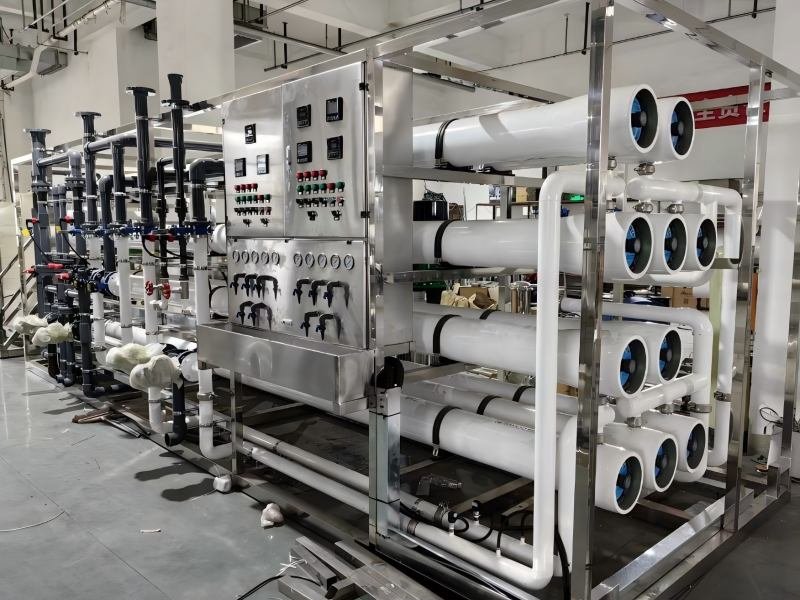
Sediment filters can capture particles. Activated carbon filtration can address certain taste and odor concerns. Other systems are designed to reduce specific dissolved substances or contaminants.
Before selecting a filter, find out exactly what it is designed to remove and under what conditions it performs effectively.
A filter that works well for chlorine isn’t necessarily appropriate for hardness. A sediment filter won’t solve every dissolved-mineral problem.
Matching the technology to the issue is the key.
Maintenance Keeps the System Working
A treatment system that is ignored won’t perform at its best forever.
Filters need replacement. Softening equipment may require salt. Treatment media can become exhausted. Components may need inspection or cleaning.
Businesses should establish a maintenance schedule and keep records of service dates, filter changes, and water testing.
Assigning responsibility helps, too. When everyone assumes somebody else is checking the equipment, nobody may actually be doing it.
A simple maintenance calendar can prevent that problem.
Think About the Total Cost
Initial equipment price is only one part of the investment.
Businesses should consider installation, replacement filters, maintenance, operating costs, service requirements, warranty coverage, and expected equipment life.
A cheaper system might become expensive if it requires frequent replacement parts or service. Likewise, an elaborate system can be a poor investment if the facility doesn’t actually need its features.
Look for practical value rather than the biggest equipment package.
A Smarter Approach to Commercial Water
Reliable water supports reliable business operations.
The best place to begin is with testing. Understand the water, identify the actual problems, and consider how the facility uses water throughout the day. Then select treatment equipment that’s appropriately sized and designed for those conditions.
Don’t forget maintenance. Don’t ignore peak demand. And don’t assume that one technology can solve every water-quality concern.
Good commercial water management is ultimately about prevention. By addressing problems before they become expensive headaches, businesses can create a cleaner, more dependable environment while keeping important equipment working as it should.
Water may stay in the background most of the time. But when it’s managed properly, that’s exactly where it belongs—quietly supporting the business without becoming another problem on the manager’s desk.