Clean water is one of those things we tend to take for granted until something seems off. Maybe your drinking water has an unpleasant taste, your kitchen tap releases tiny particles, or your kettle develops a stubborn layer of white scale. These everyday annoyances can leave you wondering whether you need a better filtration system.
The good news is that choosing one doesn’t have to be complicated. Once you understand what different filters do, what they can’t remove, and which problems are common in your area, the decision becomes much easier.
The trick is to avoid buying equipment based on impressive packaging alone. A suitable filter should address a genuine water quality concern, fit your household’s needs, and remain practical to maintain over time.
Why Water Filtration Matters
Water can travel a surprisingly long way before reaching your glass. It may pass through treatment facilities, underground pipes, building plumbing, and storage tanks. Along the way, its quality can be affected by several factors, although the risks vary considerably from one location to another.
Municipal water is generally treated to meet applicable safety standards, but issues can still arise from damaged plumbing or poorly maintained storage systems. Groundwater may contain naturally occurring minerals, dissolved metals, or other contaminants depending on local geology and nearby activities.
This is where water filters can help. Depending on their design, they can reduce particular contaminants, remove suspended particles, improve taste, or provide an additional treatment step for drinking water.
However, not every filter does all these jobs. A basic sediment cartridge won’t remove dissolved chemicals, and a filter designed to improve taste shouldn’t automatically be considered protection against harmful microorganisms.
Before purchasing anything, identify the problem you’re trying to solve. If water safety is uncertain, arrange appropriate testing rather than relying only on appearance, smell, or taste. Clear water isn’t necessarily safe water, and cloudy water doesn’t always indicate contamination.
Understanding Sediment Filters
Have you ever noticed fine grit collecting around a tap aerator or reddish particles appearing in a bucket after plumbing work? Suspended solids may be responsible, particularly when water comes from a borewell or travels through ageing pipes.
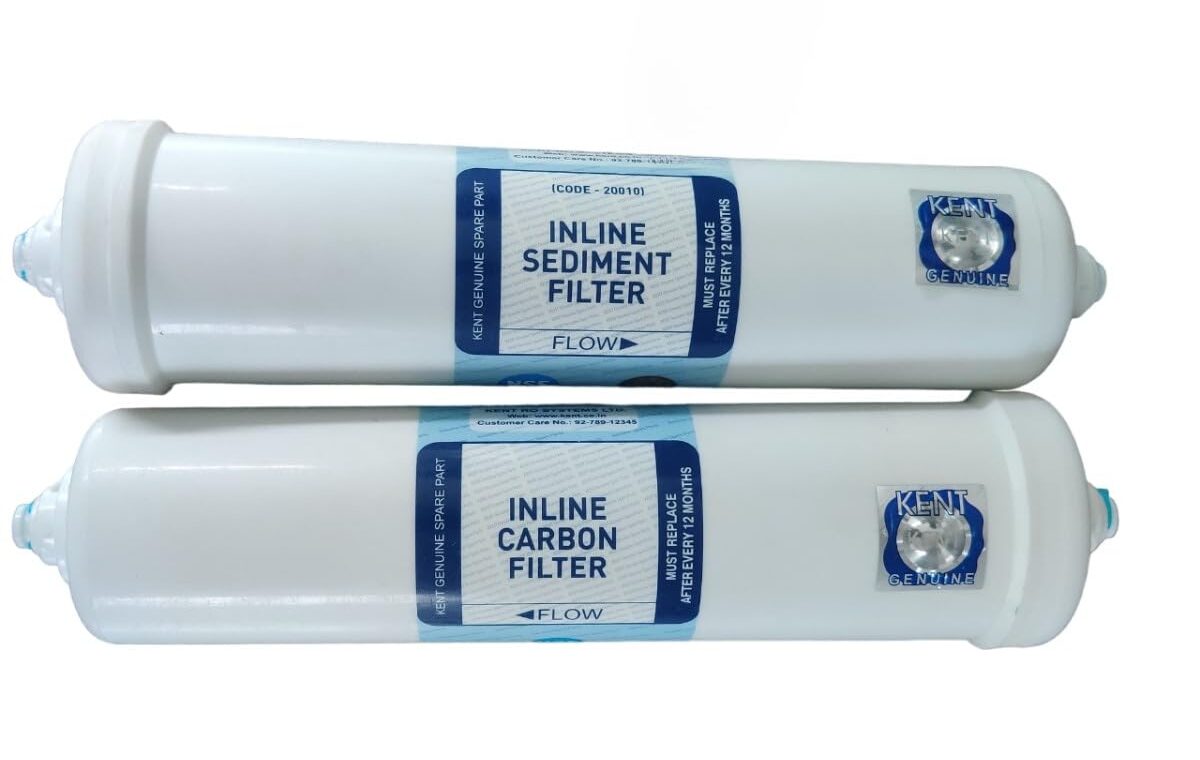
Sediment filters are designed to capture particles such as sand, silt, rust flakes, and other suspended material. They commonly use porous materials that allow water to pass through while trapping particles above a particular size.
These filters are often installed as a first stage in a larger treatment system. By catching physical debris early, they can help protect downstream cartridges and equipment from clogging too quickly.
The filter’s micron rating is worth checking. A lower rating generally indicates that it can capture smaller particles, although actual performance depends on the product’s construction and testing. Choosing the finest filter available isn’t always the smartest move. If water contains a lot of sediment, a very fine cartridge may clog rapidly and require frequent replacement.
For example, a household using borewell water might benefit from a suitable sediment prefilter before another treatment stage. But if the water contains dissolved iron rather than just visible particles, sediment filtration alone may not solve the problem.
That’s an important distinction. Filters work best when they’re matched to the actual cause of the issue, not simply the symptom you happen to notice.
When Carbon Filters Make Sense
Sometimes water looks perfectly clear but tastes unpleasant. A swimming-pool-like smell, for instance, may be associated with chlorine used in municipal water treatment. While chlorine plays an important role in controlling microbial contamination, some people dislike its taste or odour.
In these situations, carbon filters may be useful. Activated carbon has a large internal surface area that allows it to adsorb certain substances as water passes through. Depending on the media, design, and contact time, it can reduce chlorine, improve taste, and help remove certain organic compounds.
Carbon filtration is commonly used in kitchen pitchers, faucet-mounted units, under-sink systems, and some whole-house installations.
Still, there’s a catch: performance varies. A carbon filter that reduces chlorine may not remove nitrate, fluoride, dissolved salts, or every industrial contaminant. Specialised carbon products can target additional substances, but the manufacturer’s claims should be supported by credible performance testing.
Maintenance matters, too. As the media becomes exhausted, its ability to reduce targeted contaminants can decline. Some cartridges may also become a breeding ground for microorganisms if they’re poorly maintained or used beyond their intended service life.
Follow the replacement schedule, use compatible cartridges, and check the product’s certified performance rather than assuming that all activated carbon systems are equally effective.
Do You Need More Than One Filter?
That depends on your water quality. Some homes need only a basic filter to improve taste, while others require several treatment stages to address different concerns.
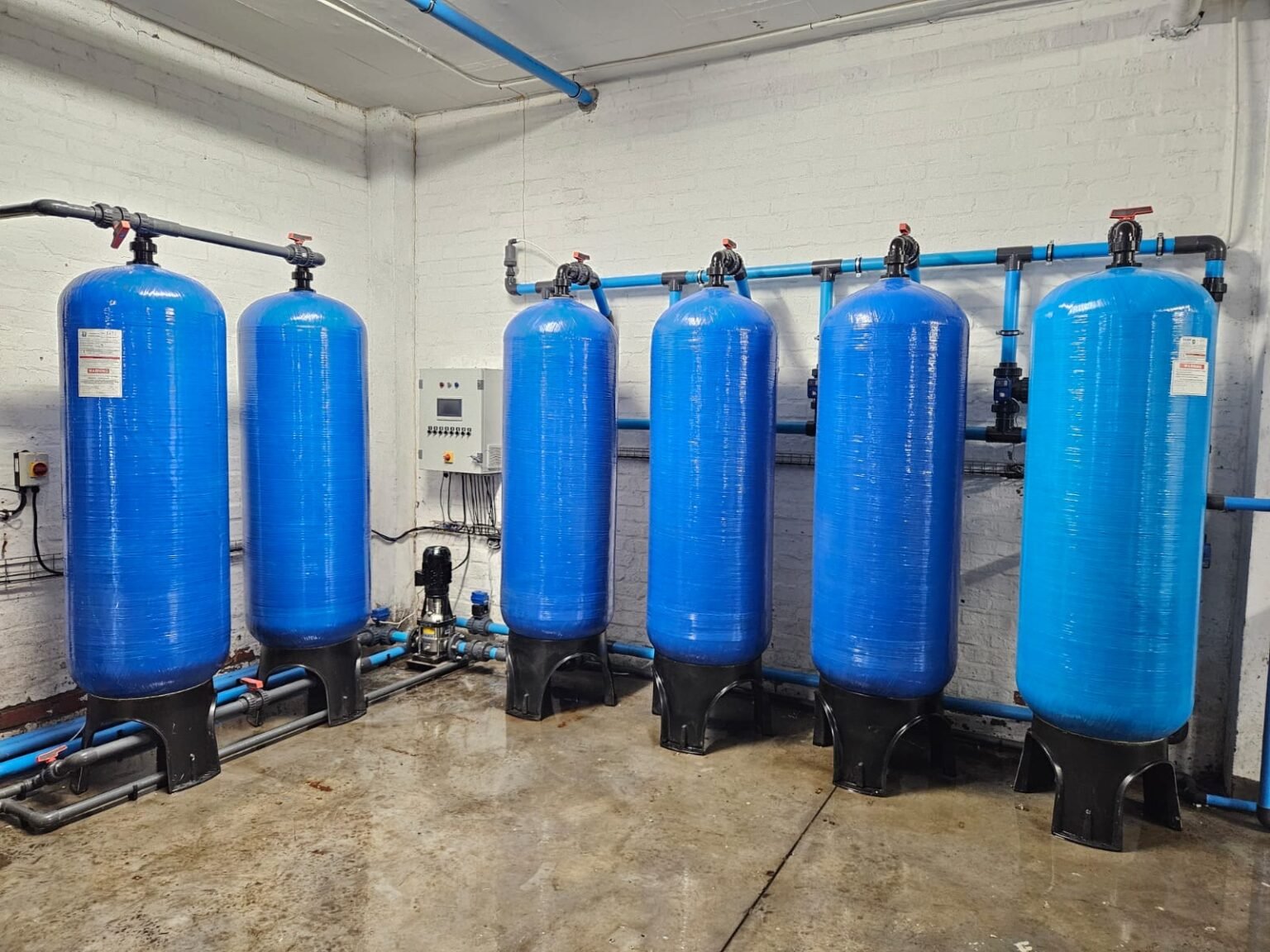
A sediment filter combined with activated carbon, for example, may make sense when water contains suspended particles and an unpleasant chlorine taste. In another household, testing might reveal a need for reverse osmosis or a specific disinfection method.
Reverse osmosis can reduce many dissolved substances, but its performance depends on the system and the contaminant involved. It also produces reject water and may require more maintenance than a simple carbon filter. Ultraviolet treatment can inactivate many microorganisms when the equipment is properly designed and operated, but it doesn’t remove dissolved chemicals or particles.
More stages don’t automatically mean better water. Every additional component adds cost, and each one needs suitable installation and maintenance. A complicated setup may be unnecessary if a simpler option already addresses the identified concern.
When choosing a system, look for independent certifications or test data that cover the specific contaminants you want to reduce. Broad phrases such as “advanced purification” don’t tell you enough about real-world performance.
Consider Your Budget and Daily Routine
The purchase price is only part of the equation. Replacement cartridges, installation, electricity, servicing, and water waste can all affect the long-term cost.
Think about how much treated water your household uses. If your main priority is drinking and cooking, a point-of-use system may be sufficient. If the problem affects showers, laundry, and appliances throughout the property, a whole-house solution might deserve consideration.
Also, be realistic about maintenance. A system that needs frequent cartridge changes may not suit someone who travels often or struggles to find replacement parts locally. Before buying, ask how often components need replacing and whether they’re readily available.
It’s worth checking water pressure requirements, installation space, and warranty conditions as well. These details may seem dull compared with product features, but they often determine whether a system remains convenient after the initial excitement wears off.
Keep Your Water Quality in Check
Installing a filter isn’t necessarily the end of the story. Water conditions can change because of seasonal groundwater variations, plumbing repairs, changes in supply, or problems with storage tanks.
Pay attention to sudden changes in taste, colour, smell, or clarity. Such changes don’t automatically mean the water is dangerous, but they deserve investigation, particularly if they appear unexpectedly.
Clean storage tanks according to appropriate guidance, maintain your equipment, and repeat water testing when recommended or when conditions change. If contamination is suspected, use an appropriate safe water source until the concern has been assessed.
A Practical Choice Is Usually the Best Choice
The right water filter is the one that addresses your specific needs without creating unnecessary expense or work. Start by understanding your water source, investigate any concerns, and choose technology with proven performance for the contaminants involved.
Sediment filtration can help with suspended particles, while activated carbon is useful for reducing chlorine taste and certain other substances. More specialised problems may require different treatment methods or a combination of technologies.
Don’t feel pressured to buy the most elaborate system on the market. With reliable information, suitable testing, and regular maintenance, you can make a sensible choice that supports better water quality and gives your household greater peace of mind.