Buying a home with a private well can feel like gaining a little more independence. There’s no municipal water bill for the well supply, and you have greater control over how your household water is managed. But that independence comes with a few responsibilities that aren’t always obvious at first.
Maybe you’ve noticed an unusual smell when running the shower. Perhaps your white towels gradually develop a yellowish tint, or your kitchen faucet seems to collect mineral deposits faster than you can remove them.
For Michigan homeowners, these frustrations are often the beginning of a conversation about water treatment. Fortunately, managing groundwater quality doesn’t have to involve complicated equipment or constant maintenance. It starts with understanding your water and making sensible decisions about its treatment.
Getting to Know the Water Your Family Depends On
Groundwater collects various substances as it travels through underground rock formations and layers of soil. Calcium, magnesium, iron, and other naturally occurring minerals can influence its characteristics.
Sometimes, the effects are obvious. Other times, they aren’t noticeable at all.
Proper filtration can help address specific concerns involving suspended particles, unpleasant tastes, odors, and certain contaminants, depending on the equipment selected.
However, not every filter performs the same function. A cartridge designed to capture sand won’t necessarily reduce dissolved metals, while activated carbon may address certain chemical concerns without removing hardness minerals.
Understanding these differences is important before purchasing equipment.
Rather than immediately replacing an existing filter whenever something goes wrong, investigate whether it is actually designed to handle the problem you’re experiencing.
Dealing With Hard Water Before It Becomes an Expensive Problem
Hard water is particularly frustrating because its effects tend to accumulate gradually. You might barely notice the white deposits around your showerhead until they become difficult to remove.
Inside household appliances, similar deposits may form without attracting much attention.
Conventional water softening addresses excessive hardness through ion exchange, reducing the calcium and magnesium concentrations responsible for many of these deposits.
For households experiencing significant hardness, this process may help limit new scale formation, improve soap performance, and make routine cleaning easier.
Existing mineral deposits may still require appropriate cleaning or professional servicing, though.
Before investing in equipment, arrange a hardness test and consider your household’s water consumption. Correctly sized equipment generally provides more dependable performance than a system selected purely because of its attractive price.
When Professional Water Treatment Is Worth Considering
Some groundwater problems are straightforward, while others require a more detailed investigation.
For homeowners experiencing several recurring issues, dependable well water treatment services can help identify underlying causes and recommend equipment suited to the property’s particular conditions.
A qualified specialist may investigate water chemistry, sediment levels, operating pressure, and existing treatment components.
Imagine replacing cartridges every few weeks because they’re constantly becoming clogged. The actual problem might involve deteriorating well components or an unsuitable pumping arrangement rather than the filters themselves.
Professional guidance can help distinguish between equipment problems and concerns originating within the well.
That distinction could save considerable time and money, especially when previous attempts to improve water quality haven’t delivered lasting results.
Why Clear Water Isn’t Always Safe Water
There’s a natural tendency to associate clear, pleasant-tasting water with cleanliness. Unfortunately, drinking water quality isn’t quite that simple.
Certain potentially harmful microorganisms and dissolved contaminants may be present without producing noticeable changes in appearance, taste, or smell.
Private well households should arrange regular testing through an appropriate certified laboratory.
Consult your local health department about recommended testing schedules and contaminants relevant to your area.
Additional testing is particularly important following flooding, well repairs, or sudden changes in water characteristics.
If contamination is suspected, use a safe alternative drinking water source until the situation has been properly evaluated.
Improving water appearance is worthwhile, but protecting drinking water safety should always remain a priority.
Creating a Treatment System That Makes Sense
Not every household needs an elaborate collection of tanks, cartridges, and electronic equipment.
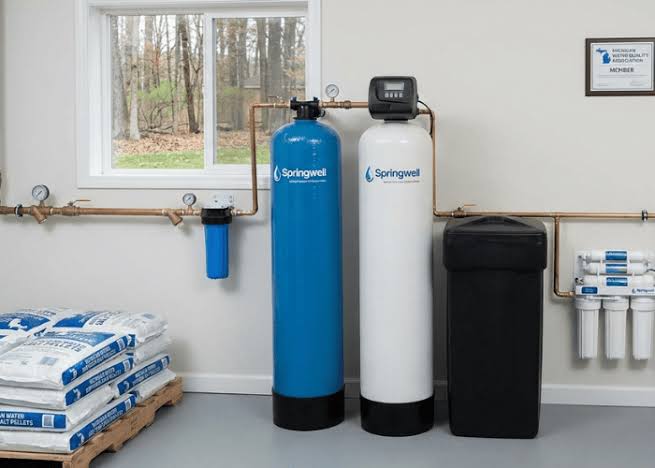
Some properties require little more than sediment removal to address suspended debris. Others may benefit from specialized iron removal, ultraviolet disinfection, or dedicated drinking water purification.
The appropriate arrangement depends on reliable testing results.
Equipment should also accommodate peak household demand. Nobody wants to discover that water pressure drops significantly whenever someone starts the washing machine during a shower.
Consider installation space, operating expenses, replacement components, and maintenance accessibility.
A thoughtfully designed system should solve genuine problems without creating new inconveniences.
Little Maintenance Habits That Pay Off
Water treatment equipment is easy to overlook when everything seems to be working properly. Nevertheless, regular upkeep matters.
Cartridges eventually accumulate debris, treatment media reach their service limits, and certain components require periodic replacement.
Follow manufacturer recommendations instead of waiting for noticeable performance problems.
Keep water test results, equipment manuals, and servicing records together. Having these documents available can make troubleshooting considerably easier.
The well itself deserves attention, too. Damaged components or poor drainage around the wellhead may require professional inspection.
Looking after these details is much like maintaining your home’s heating system. It isn’t particularly exciting, but it can help prevent expensive surprises.
Better Well Water, Without Unnecessary Complications
For Michigan homeowners, managing an independent water supply should become a manageable responsibility rather than a constant source of worry.
Reliable testing, appropriate equipment, and occasional professional assistance can help address many recurring groundwater concerns.
The real benefits often appear in ordinary moments. Laundry looks better, bathroom cleaning becomes less frustrating, and preparing dinner feels a little more reassuring.
Your household depends on water every single day. Giving its quality some thoughtful attention isn’t merely another home maintenance expense. It’s an investment in the comfort, convenience, and long-term well-being of everyone who lives there.